
- Woven City is a key project in Toyota’s shift to a mobility company
- Will test ideas, products, and services for mobility
- Could affect in-vehicle software, or the shape of urban vehicles, among many areas
At CES 2025 in Las Vegas on Monday, Toyota provided an update on its Woven City project that was first presented in concept form at CES 2020.
Woven City serves as a test course for mobility—looking beyond cars and the traditional forms of mobility Toyota has produced.
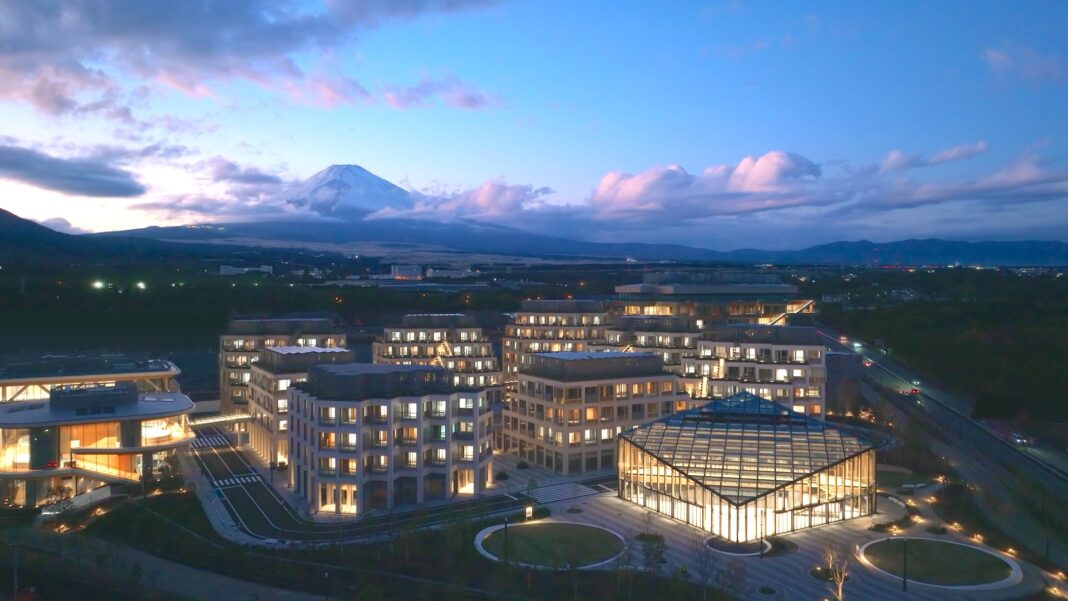
Toyota reported that it has finished the initial buildings for Woven City In Shizuoka, Japan, and it has renovated a former manufacturing plant to serve as the manufacturing hub for the project. This Phase 1 of the project is set for an official launch in fall 2025.
The facility is, true to its name, a city in the making, and it aims to test ideas, products, and services for mobility. It includes both Toyota and Toyota Group companies plus “external companies, startups, and individual entrepreneurs.”
Starting later this year, Woven City will serve as an incubator for ideas and will look for collaboration among inventors, plus feedback from residents and inventors. Phase 1 will accommodate about 360 residents, while there will be 2,000 or more residents for Phase 2 and beyond.
Woven City will span capabilities ranging from software to manufacturing, and according to Toyota it “offers a unique environment equipped with the tools and services needed to tackle societal challenges and create future-focused value.”
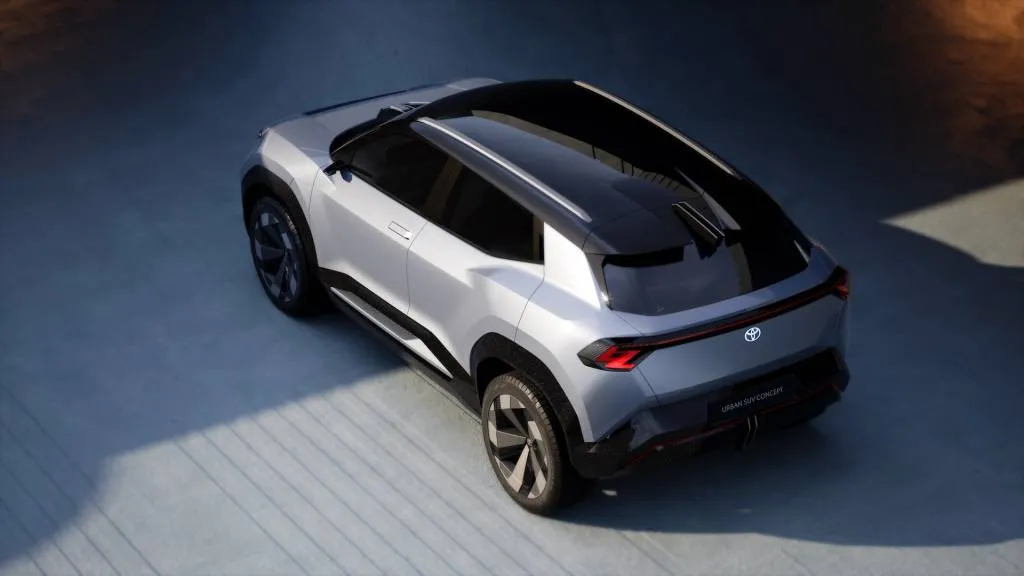
Toyota Urban SUV Concept
Specifically, the range of products and services from Woven City might not be directly related to its current or upcoming car lineup, and they could run the gamut—ranging from applications with automated e-pallets to assisted-living solutions and robotic solutions that help cook or fold clothes.
Toyota hasn’t disclosed how much money it’s invested in the project, but it made Woven by Toyota (WbyT) a wholly owned subsidiary of the company in 2023.
In addition to work with Eneos Corporation, Rinnai Corporation, and Nippon Telegraph and Telephone Corporation, initial “inventors” at the Woven City include Daikin Industries, DyDo Drinco, Nissin Food Products, UCC Japan, and Zoshinkai Holdings. Longtime supplier Denso has also been involved.
Toyota the automaker started in 1933, but the related Toyoda Loom Works was already by then well-established in weaving textiles, so Woven City is a nod to the company’s heritage.

Toyota i-Road electric urban mobility vehicle
Perhaps in a sign of the times, Toyota hasn’t focused entirely on hydrogen for the project. While Toyota might not be making it the focal point for all things mobility-related—perhaps not as much, as of late, as Hyundai’s hydrogen vision—it hasn’t given up on its hydrogen vision and it dedicated a U.S. “hydrogen headquarters” for fuel-cell product development in 2024.
Toyota also hasn’t said exactly how electrification, energy, or environmental considerations will play a role—although it almost certainly will, and it’s earned Japan’s first LEED for Communities Platinum certification. While Toyota ponders some of these deeper questions about mobility at the Woven City, it’s also pivoting toward the development of new engines but still debating internally when it sees the end for non-hybrid gasoline vehicles.

2025 Toyota bZ4X
In a broad sense, what Woven City might provide is a sense of how vehicles might better fit modern society, with its denser living, aging population, and different work and commuting patterns. But as to how it will actually change vehicle software interfaces, interiors, or even the physical shape of vehicles and mobility itself, well, we have to let them get to work.