Thursday, April 23, 2026
6.2 C
London
Home Blog Page 32

Charged EVs | VTS Track Solutions’ new Fero Tracked Carriers use Danfoss’s Editron eDrive

0


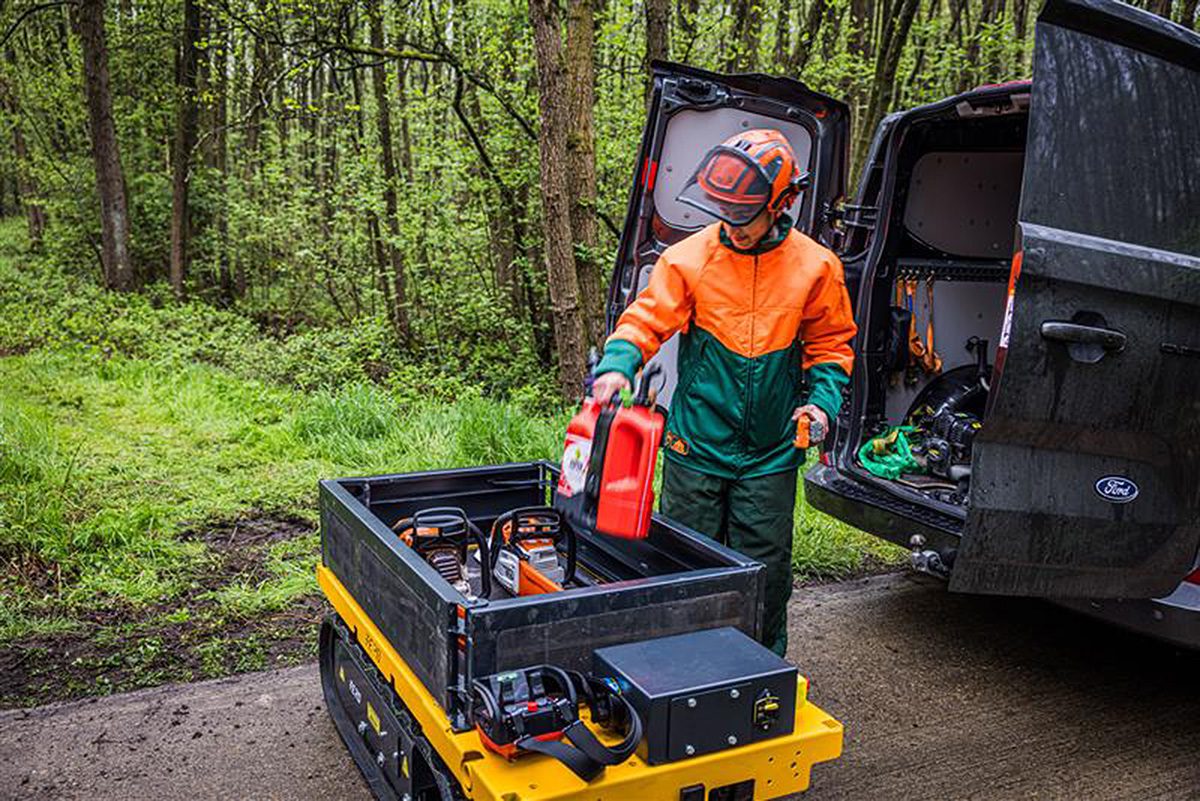
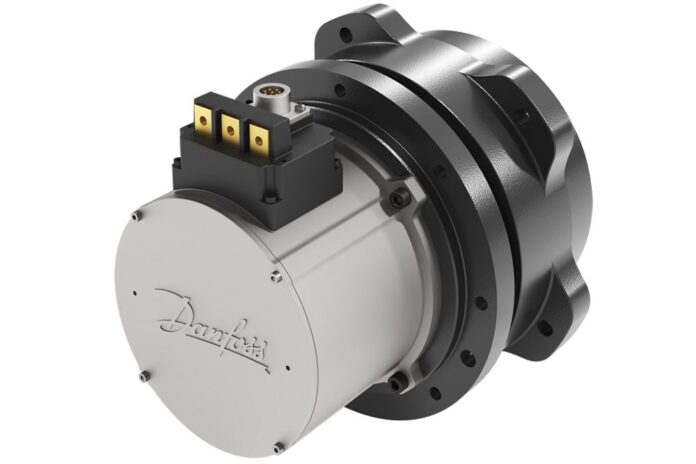
Danfoss Power Solutions is supplying its Editron eDrive to VTS Track Solutions to propel the company’s new Fero Tracked Carriers. The ETP-10 and ETP-20 are remote-controlled battery-electric carriers designed for material transport in construction, forestry, landscaping, workshops and other applications.

Material carriers are used to easily and safely transport heavy items heavy materials around job sites. Electric carriers are preferred, as they produce no exhaust fumes and little noise. They also comply with regulations requiring use of emission-free machinery on urban building sites, and may qualify for subsidies in some jurisdictions.

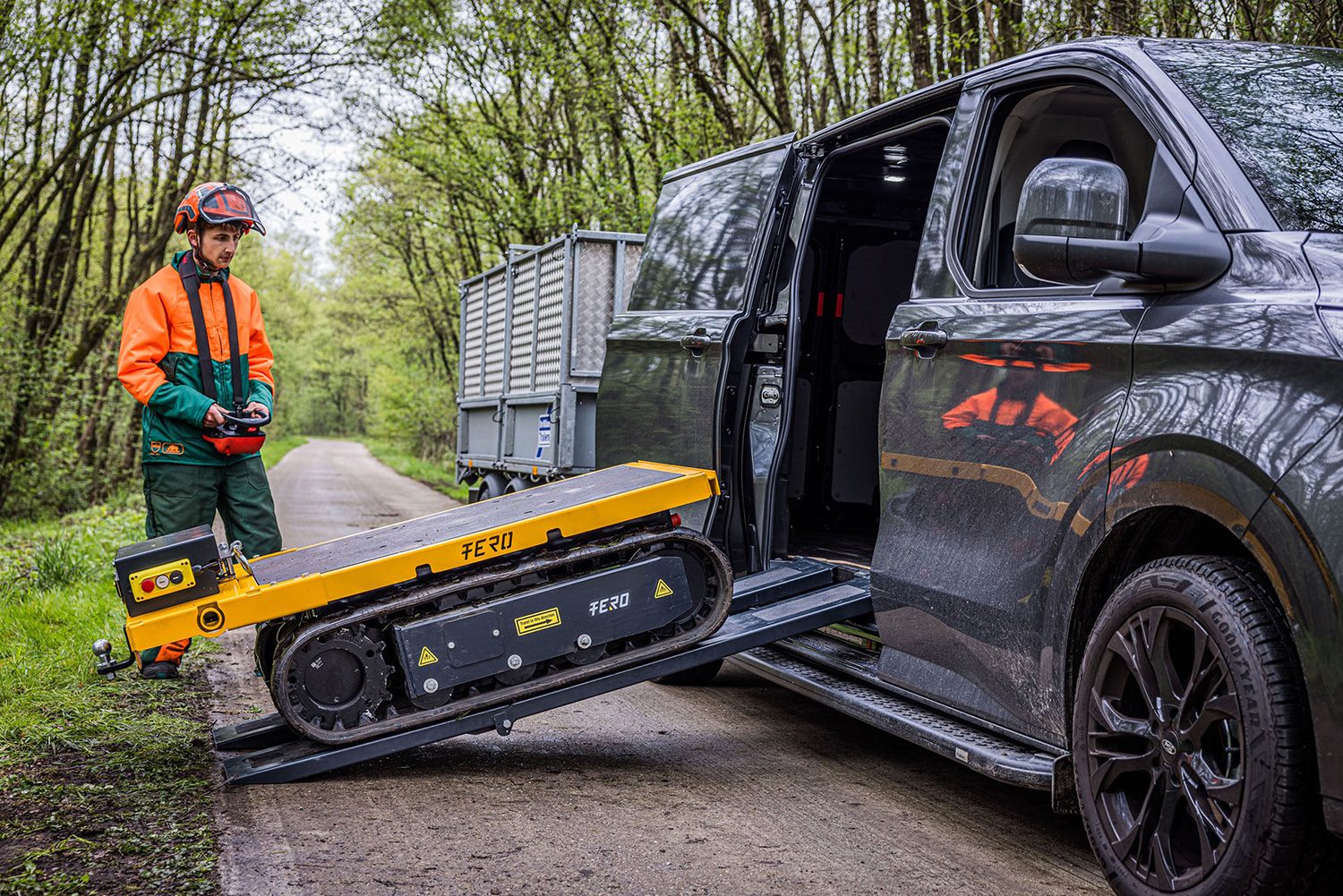
Drawing on its expertise in producing undercarriages and power packs for tracked machinery, VTS Track Solutions developed Fero Carriers, a new generation of rugged, compact battery-electric tracked vehicles capable of operating in multiple terrains and conditions.

To power its Fero Carriers, VTS selected the Danfoss Editron eDrive, a propulsion system for compact, low-voltage machinery that comprises an inverter and two interior permanent magnet electric motors integrated with gearboxes.

“We chose Danfoss because of its brand quality, robust engineering standards, and the availability of a complete, well-matched propulsion package,” explained VTS engineer Daan van Kerkhoff. “The dual-controller configuration was especially valuable for our design, as it minimizes the number of separate components and saves critical installation space within the center frame.”

Danfoss personnel worked with VTS engineers to customize the eDrive system software for the tracked machine, which requires independent speed control for the two motors. Danfoss engineers also assisted with system layout, parameter tuning, validation testing and integration guidance. “This collaboration not only accelerated our design process but also strengthened our confidence in delivering a technically solid and future-proof product,” van Kerkhoff added.

The ETP-10 has a 1,000-kilogram load capacity and platform dimensions of 1,236 by 780 millimeters. It has two travel speeds, with a maximum of 4 kilometers per hour. Its 24-volt lithium-ion battery has a capacity of 2.5 kWh and can charge in 3.5 hours. Optional accessories such as stanchions, an electric winch, tow hitc, and tilting container enhance the machine’s versatility.

The ETP-20 has a load capacity of 2,000 kg, and a larger rotating platform measuring 1,445 by 780 mm. It has a 48 V battery and 3 kph maximum speed.

Source: Danfoss Power Solutions


Source link

Charged EVs | Eaton plans Mobility Group spin-off into a standalone vehicle powertrain company

0


Eaton has announced plans to separate its Vehicle and eMobility segments, together called its Mobility Group, into an independent, publicly traded company. Eaton says the move is intended to sharpen its focus on its electrical and aerospace businesses as part of its 2030 growth strategy, while positioning the spun-out Mobility business as a dedicated engineered-solutions supplier to OEMs.

Eaton expects to complete the spin-off by the end of the first quarter of 2027, subject to customary legal and regulatory requirements and approvals, including final approval from Eaton’s Board of Directors.

Eaton says a separation would give the Mobility Group more flexibility to pursue near- and long-term growth opportunities across automotive markets. While Eaton will have a focused portfolio to capitalize on strong demand in data center, utility, commercial and institutional markets, as well as Aerospace’s growing position in defense industry and commercial aftermarket.

Source: Eaton

Topics: Eaton, EV Power Electronics


Source link

Charged EVs | Chinese-made vehicles now make up nearly 20% of cars sold in Mexico

0


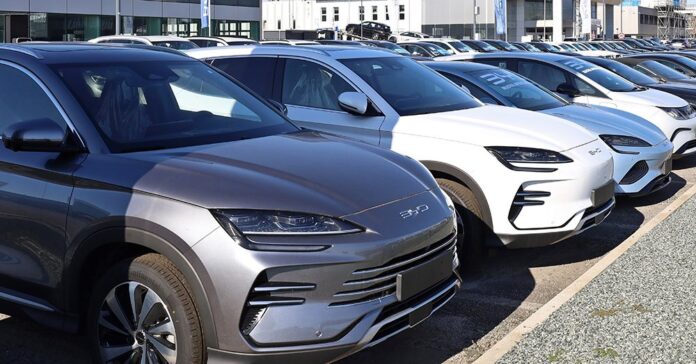
Nearly one in five cars sold in Mexico in 2025 was made in China. The newspaper Reforma reports that, according to data from the national statistics agency INEGI and industry groups including the Electro Mobility Association and the Nuevo León Automotive Cluster (CLAUT), some 306,351 “Made in China” light vehicles were sold in Mexico last year, representing 19% of total sales.

Around 244,000 of these were made by Chinese automakers such as BYD, Changan, MG and GWM, representing around 15% of total sales in 2025. The rest were made in China by foreign companies such as GM and Ford.

Five years ago, sales of Chinese-branded vehicles accounted for less than 1% of total sales in Mexico, the newspaper El Economista reported. Mexico is now the world’s top importer of vehicles made in China.

Of the millions of Chinese-built vehicles flooding the world’s markets, many are legacy gas-burners, but a significant share are EVs. Around 85,000 BYDs were sold in Mexico last year, representing about one third of all sales of Chinese-branded vehicles.

CLAUT Director Manuel Montoya told Reforma that “Made in China” vehicles have “very attractive prices and…are very well made.” However, he added, “Cars built in China don’t have a single part made in Mexico.”

Mexico’s government has responded to the Chinese threat to the Mexican auto industry by raising tariffs. Beginning this year, vehicles made in China are subject to a 50% duty, up from 20% in 2025.

Guillermo Rosales, President of the trade group AMDA, told El Economista that it’s difficult to predict what impact the higher tariffs will have. “The year already started and we’re not seeing upward price changes,” he said.

Source: Reforma, Mexico News Daily, El Economista
Image: luca piccini basile – stock.adobe.com


Source link

Charged EVs | Beam Global sells ten EV ARC off-grid EV charging systems to New York residential development

0


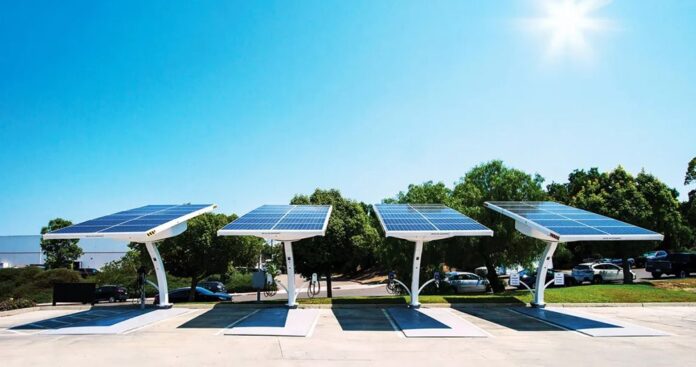
Beam Global makes portable off-grid solar-powered EV charging systems. Some of the company’s most reliable customers have been government agencies and municipalities. During 2025 however, the company diversified its customer base, and saw increasing demand from commercial customers.

Now Beam has announced the sale of ten EV ARC off-grid EV charging systems to a new residential development in New York—the company’s largest sale of EV ARC systems into a residential development to date.

As the company explains, many residential developments, particularly in dense urban environments like New York, face significant challenges deploying conventional EV charging due to lack of utility circuit capacity, complex permitting processes, long timelines and high construction costs. The EV ARC systems will provide on-site EV charging for residents without the need for construction, trenching, electrical upgrades or utility coordination.

The EV ARC systems also offer property owners more flexibility than fixed charging installations do. The systems can be relocated easily as parking layouts, tenant needs or vehicle demands change over time.

“Historically, Beam Global’s customer base has been led by federal, state and municipal agencies, but we are now seeing increasing interest from residential and commercial developers,” said Beam Global CEO Desmond Wheatley. “The tens of millions of apartments and condominiums in the US represent another excellent growth opportunity for Beam Global which we have previously not addressed aggressively. This deployment in New York demonstrates that EV ARC is well suited to dense urban residential environments where traditional charging infrastructure is often impractical.”

Beam Global recently announced preliminary fourth quarter revenue for 2025—revenue increased over 50% from the prior quarter, driven by new products, expanded international activity and increased sales to commercial customers.

In prior periods, US government sales have contributed the majority of Beam Global’s revenues, but non-government commercial revenues represented approximately 84% of revenues in the fourth quarter. EV ARC sales increased in Europe—international sales accounted for approximately half of Q4 revenue. Non-EV ARC products accounted for approximately 70% of fourth quarter revenue.

“Beam Global is so much more than an American EV charging infrastructure company,” said Desmond Wheatley. “We make energy security products, we make batteries for drones and robots, we are developing secret solutions for the defense industry, our smart cities infrastructure products are expanding, we are opening new markets in the Middle East and Europe. 2025 was a challenging year as the new administration paused the electrification of the federal fleet, but Beam Global transitioned from US government-generated revenues to a truly global footprint with an expansive product portfolio. We grew Q4 revenues by 50% by selling new products into new markets.”

Source: Beam Global


Source link

Charged EVs | Why integrated FPC-based cell contact solutions are essential to battery pack manufacturing

0


Sponsored by Churod Electronics.

Increased battery density is the endgame of all cutting-edge battery design, improvements cannot come at the expense of safety or cost limitations.  The question then becomes how to push the envelope in a safe and cost-effective way.  Monitoring the state-of-health of cells is at the top of the list of considerations.

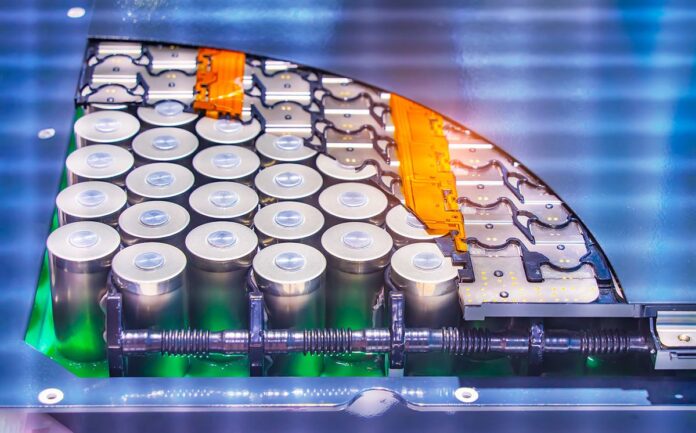
Accurately measuring ambient factors like temperature and voltage provides critical data to the BMS.  For years, this could be done through discreet wiring, though this method was inefficient, and quality was lacking.  In today’s designs, flexible PCBs are taking the place of discreet wiring.  These FPC-based systems are the newest generation of Cell Contacting Systems.  They simultaneously bring down the cost of pack manufacturing and improve reliability in manufacturing and data harnessing.

Quality of data is essential in order to safely maximize energy density.  This white paper from Churod Electronics details the hows and whys of FPC-based Cell Contacting Systems and how this cost-effective, yet reliable tool is a key to modern battery pack efficiency.


Source link

Charged EVs | Octillion reports milestone of 3,653 EV battery systems built in one day across nine factories

0


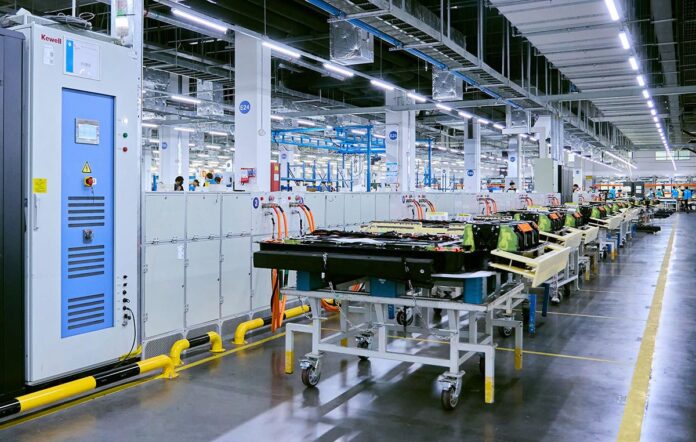
Octillion Power Systems, a Tier 1 supplier of electric vehicle battery systems, says it set a single-day manufacturing record on December 3, 2025 by producing 3,653 EV battery systems, representing about 114 MWh of energy production. The company says the output was achieved across nine battery manufacturing facilities in the US, India and China, pointing to localized production intended to support OEM partners.

Octillion says the battery systems produced in the record run support EV applications including passenger cars, trucks, buses and commercial vehicles. The company also reports it delivered about 20 GWh of energy capacity in 2025 across vehicle segments and geographies, and it forecasts higher production in 2026.

Octillion says that in China it captured over five percent market share in the passenger electric vehicle battery systems market in 2023. The company also says it is the leading producer of EV battery systems in India across passenger vehicles, trucks and buses, measured by total units produced and market share, and notes its India and China operations are supported by more than 15 years of supply chain development, engineering expertise, and production optimization.

Octillion’s technical approach is vertically integrated from system design to mass production. Its battery systems development includes advanced thermal modeling, fully integrated battery management systems, and standardized yet flexible production processes intended to enable customized solutions at scale.

Headquartered in Richmond, California, the company operates nine global manufacturing facilities and has delivered more than two million EV battery systems worldwide, supporting over 33 billion kilometers driven on its technology.

Source: Octillion Power Systems


Source link

Charged EVs | Keysight introduces test solutions for high-power and megawatt charging

0


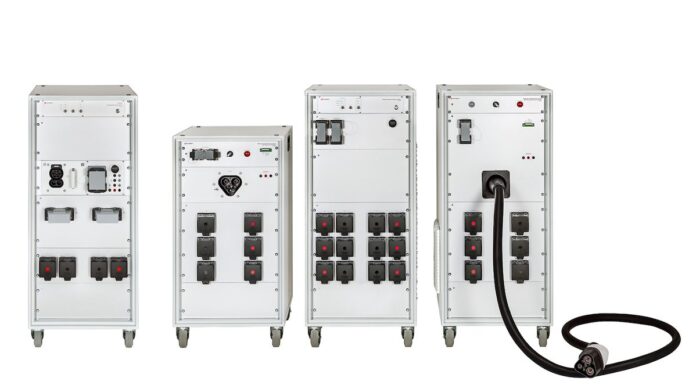
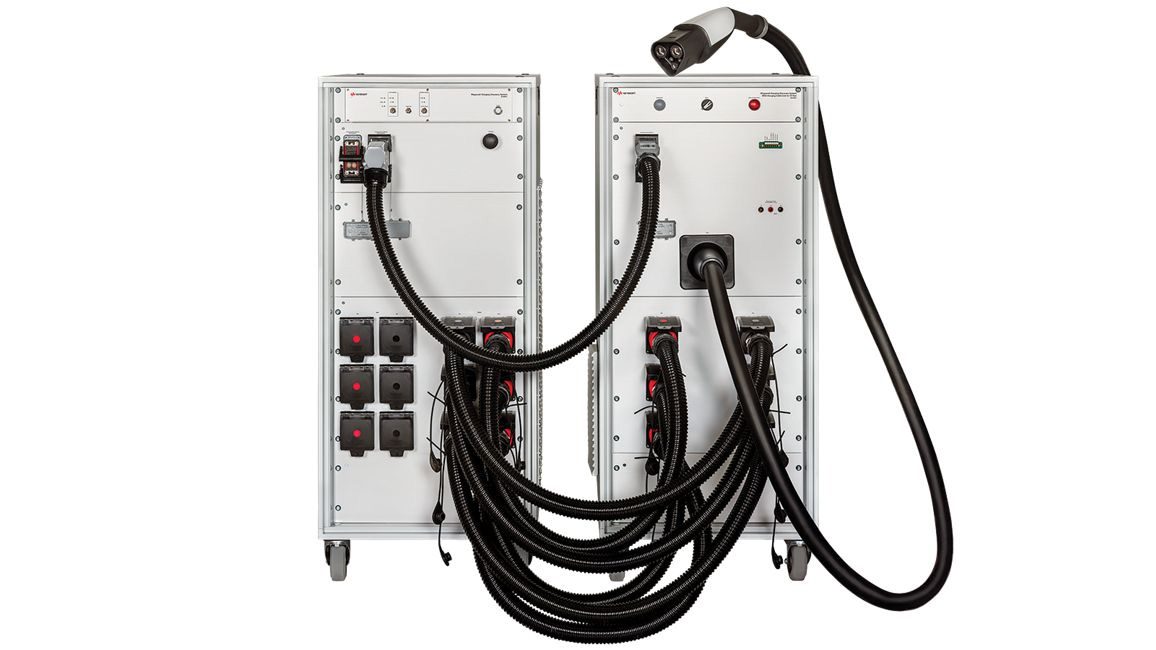
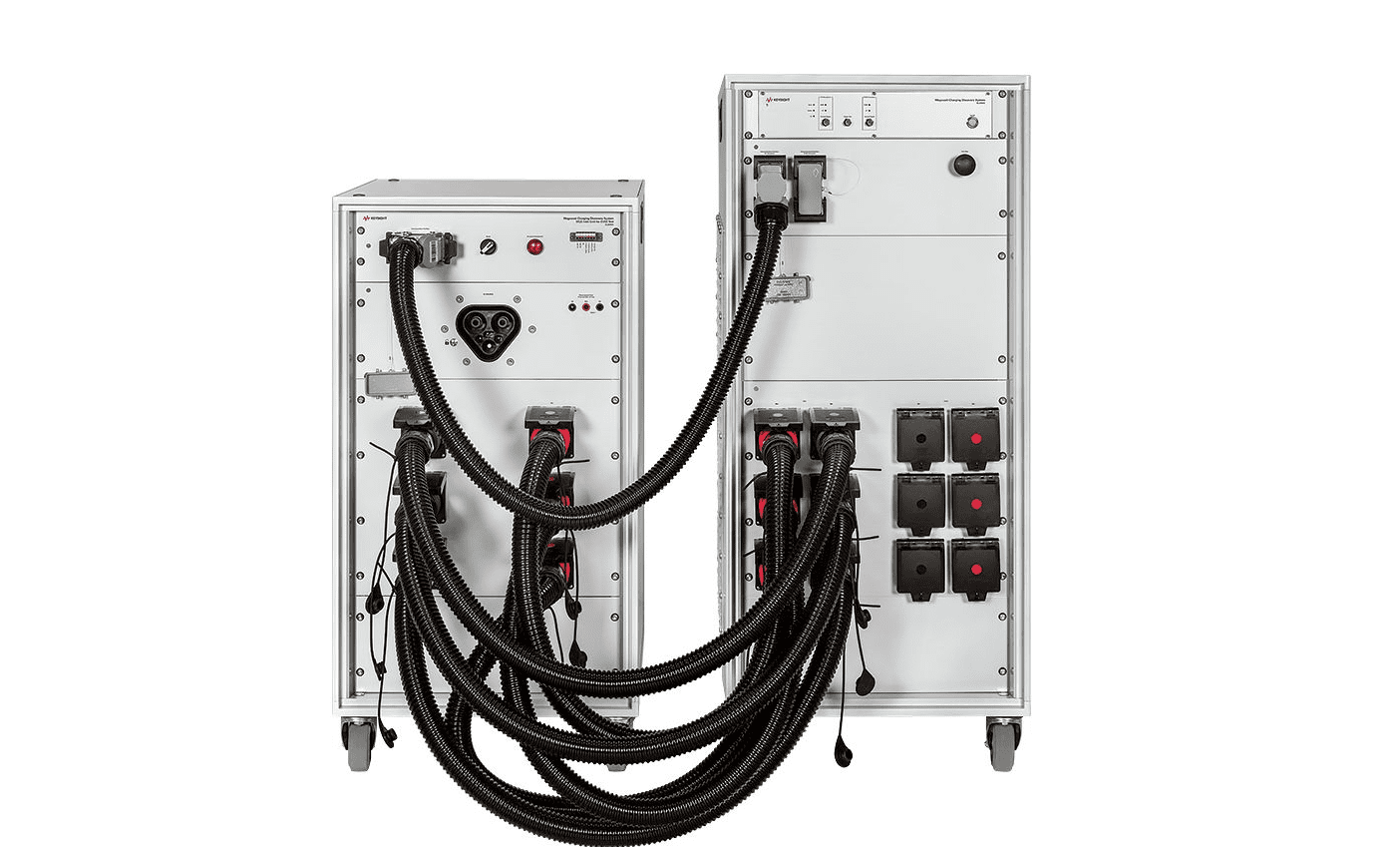
Keysight Technologies has announced two new EV charging test solutions designed to support the industry’s move to high-power and megawatt-level charging.

The company explains that the rapid growth of electrification is driving demand for charging infrastructure capable of supporting everything from fast charging for passenger vehicles to megawatt-level charging for heavy-duty transport and industrial fleets. At the same time, engineers and manufacturers face increasing complexities due to interoperability challenges, stringent safety requirements, and the need to comply with evolving international standards such as MCS, CCS, ISO 15118, GB/T and CHAdeMO.

The SL2600 A Megawatt Charging Discovery System enables validation of megawatt charging for heavy-duty applications, supporting voltages up to 1,500 V and currents up to 1,500 A. Its modular, upgradable architecture allows engineers to test both EVs and charging stations within a single system.

The enhanced SL1047A Scienlab Charging Discovery System—High‑Power Series delivers software‑scalable performance starting at 400 A and 1,000 V, and can be expanded up to 800 A and 1,500 V without hardware replacement. It supports all global charging standards, including full compliance with GB/T 2024. It also introduces enhanced charging communication test capabilities, featuring significant improvements and extended functionality to address increasingly complex EV charging requirements. 

“The transition to high-power and megawatt-level charging is a pivotal moment for the EV industry,” said Thomas Goetzl, Vice President and General Manager for Keysight’s Automotive & Energy Solutions. “Our latest test solutions give manufacturers and engineers the confidence to innovate quickly and deliver reliable charging systems that meet global standards.

Source: Keysight Technologies


Source link

Charged EVs | Bolivia’s YLB submits patent application for lithium extraction

0


The state-owned Bolivian National Strategic Public Company of Lithium Deposits (Yacimientos de Litio Bolivianos, YLB) has submitted an application to patent a process for the direct extraction of lithium from complex brines, as well as the industrial design of a fast-charging portable charger.

The Patent of Invention and the Patent of Industrial Design were requested from the National Intellectual Property Service (SENAPI).

The first application is for an invention patent entitled: “Procedure for the synthesis of a Laminar Aluminum-Lithium Double Hydroxide (Al/Li LDH) adsorbent for direct lithium extraction.” This process enables miners to extract a material that has high selectivity for lithium and high adsorption and desorption capacity, representing an advance in the recovery of lithium from brines that contain a high magnesium/lithium ratio, such as those found in the Salar de Uyuni in Bolivia.

The second application is for an industrial design patent for a “Portable Fast Charging Charger” that integrates a lithium-ion battery and an intelligent control system, multiple protection, as well as USB Type A and Type C connectors.

In 2023, YLB obtained its first invention patent for the development of its own method for obtaining high-purity 99.5-99.9% grade lithium carbonate.

“We are requesting intellectual property protection to safeguard copyright and strengthen YLB’s innovation and industrial property strategy,” said Mauricio Álvarez, Research and Development Manager at YLB. “With these initiatives, YLB reaffirms its leadership in the region and its commitment to technological development, sustainability and adding value to the country’s evaporite resources.”

Source: YLB


Source link

Charged EVs | LS Cable and System adds automotive cable production lines in Mexico plant with $156 million investment

0


LS Cable and System is investing $156 million in its manufacturing subsidiary in Querétaro, Mexico. The company says the funding will expand LSCMX production capacity and strengthen an integrated manufacturing and supply-chain platform across North America.

LS Cable and System says the investment will turn LSCMX into an “energy and mobility manufacturing base” serving the Americas. The company plans to expand existing busduct production capacity, citing demand tied to AI data centers and large-scale power infrastructure, and it plans to build new automotive cable production lines supporting internal combustion and electric vehicle platforms.

“By expanding production capabilities in Mexico and aligning them closely with U.S. operations, LS C&S is building a more resilient, responsive, and competitive supply chain to support growing demand across energy infrastructure, data centers, and automotive markets, while reinforcing its long-term commitment to customers and partners throughout the region,” said Gisu Kim, Regional President of North America, LS Cable and System.

LS Cable and System positioned the Mexico investment as part of a broader North America buildout. It reports that in April 2025 it broke ground on LS GreenLink Phase 1 in Chesapeake, Virginia, a $681 million project including a 750,000-square-foot cable manufacturing facility, a 660-foot Vertical Continuous Vulcanization (VCV) tower, and a dedicated pier to support high-voltage direct current (HVDC) submarine power-cable production, with more than 330 jobs planned.

LS Cable and System also reports that in December 2025 it announced an additional Chesapeake investment expected to create approximately 430 jobs and expand manufacturing in copper recycling, magnet-wire manufacturing, and rare-earth magnet production. The company adds that in January 2026 it announced a logistics center in La Porte, Texas to support its busduct and busway business across North America.

Source: LS Cable and System


Source link

Charged EVs | Evotrex’s new power-generating RV trailer is designed for off-grid travel

0


Towing is a sore point for would-be EV adopters (as Ford belatedly realized, to its cost). The most elegant solution may not be to bulk up on batteries in the towing vehicle, but rather to electrify the tow itself. This approach holds great promise not only in trucking applications (see our recent feature article, Electrifying the Box), but also in the RV world.

California-based Evotrex has launched an RV trailer that can generate its own power, intelligently manage energy consumption, and even transfer energy to the towing vehicle to maximize range.

The Evotrex-PG5, which represents Evotrex’s entry into the RV market, offers “luxury amenities and adventure-ready design,” and is designed for extended off-grid travel. It features a unified energy system that combines a 43 kWh LFP battery, 1.5 kW of solar generation capacity, and a gas-powered onboard generator.

Like the electrified semi-trailers offered by Range Energy and Trailer Dynamics, Evotrex’s PG5 has its own electric motor, which is controlled by a force sensor to support the towing vehicle with just the right amount of torque. This not only increases range, but also stabilizes towing and improves maneuverability. Once unhitched, the same system enables remote maneuvering for parking and campsite positioning.

The PG5 can export power to run tools, cooking gear and camping equipment (vehicle-to-load), or to supply backup power to a home during outages (vehicle-to-home). An innovative feature called RangeBoost enables vehicle-to-vehicle charging—the PG5 is capable of bidirectional energy transfer to and from the towing vehicle, extending usable range.

“Our goal with the PG5 was to design an RV that empowers adventurers to explore without compromise,” said Alex Xiao, CEO and founder of Evotrex. “Its power-generating capabilities and intelligent energy management system provide the comfort, reliability and control needed for confident off-grid travel.”

Preorders for the Evotrex-PG5 are now open, and production is scheduled to begin by the end of 2026. The standard Evotrex-PG5 Pioneer model starts at $119,990, and the fully loaded Evotrex-PG5 Atlas is priced at $159,990.

Source: Evotrex


Source link