Samsung SDI has signed a memorandum of understanding (MOU) with South Korean automaker KG Mobility (KGM) to jointly develop battery pack technologies for EVs.
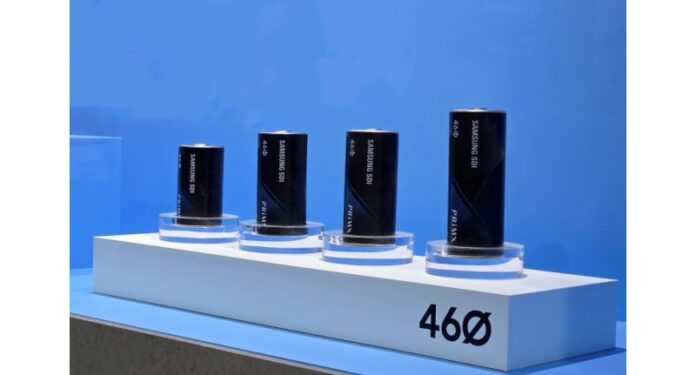
The companies will focus on battery pack technologies using Samsung SDI’s 46-series cylindrical battery cells, while expanding their collaboration on technologies to advance next-generation battery pack development.
The packs that the two companies develop through the partnership are expected to be used in KGM’s EVs in the future. The partners also plan to exchange insights into mid-to long-term global battery market strategies and pursue joint R&D efforts.
Samsung SDI’s 46-series cylindrical battery, which it started producing in 2025, offers high energy density, enabling extended driving range and fast charging capabilities, according to the company. Enhanced safety and durability deliver reliable performance under diverse driving conditions.
The battery features high-capacity nickel cobalt aluminum (NCA) cathodes and Samsung SDI’s silicon carbon nanocomposite (SCN) anodes, which are designed to reduce swelling while extending battery lifespan. A tabless design reduces internal resistance and optimizes current flow, enhancing high-power output and fast charging performance.
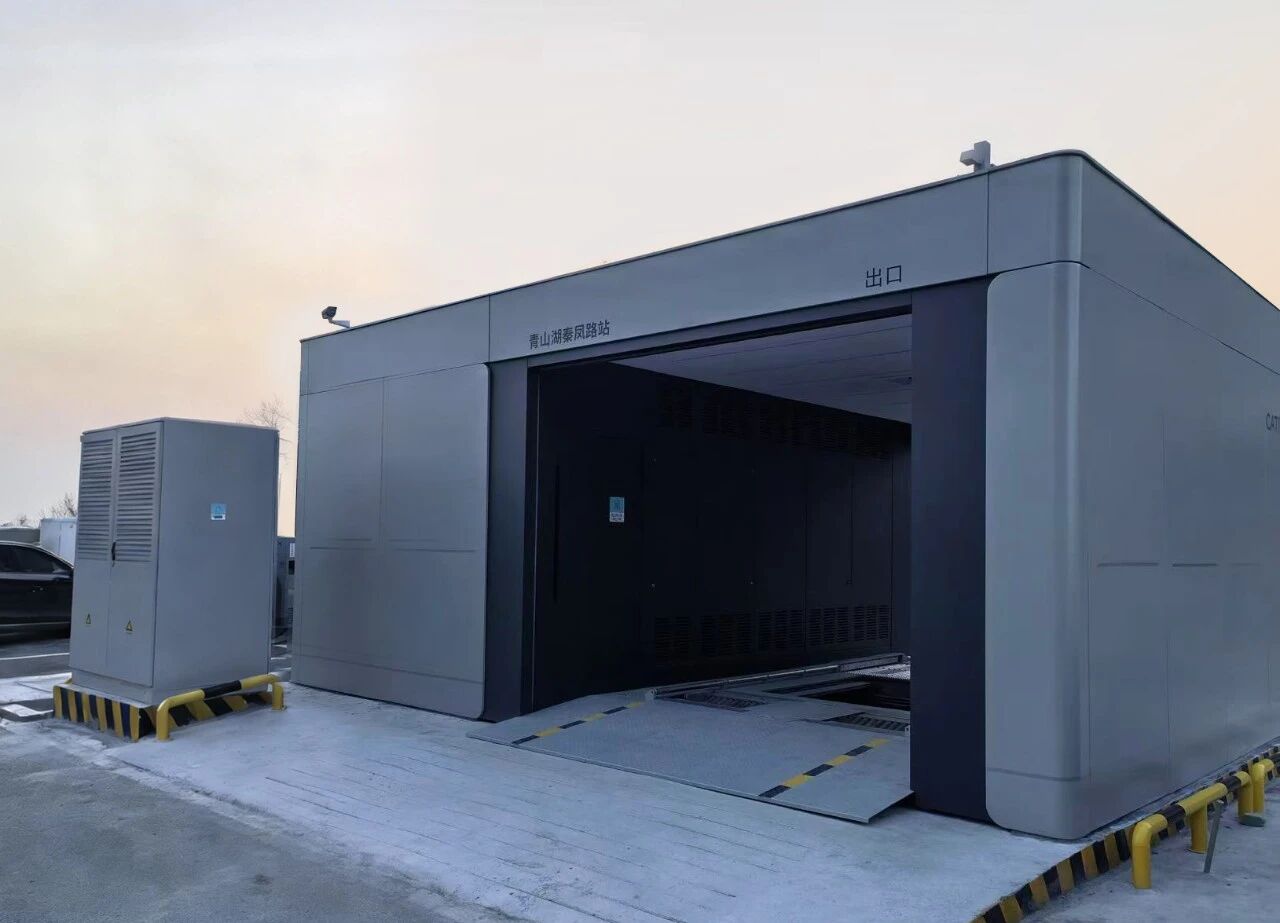
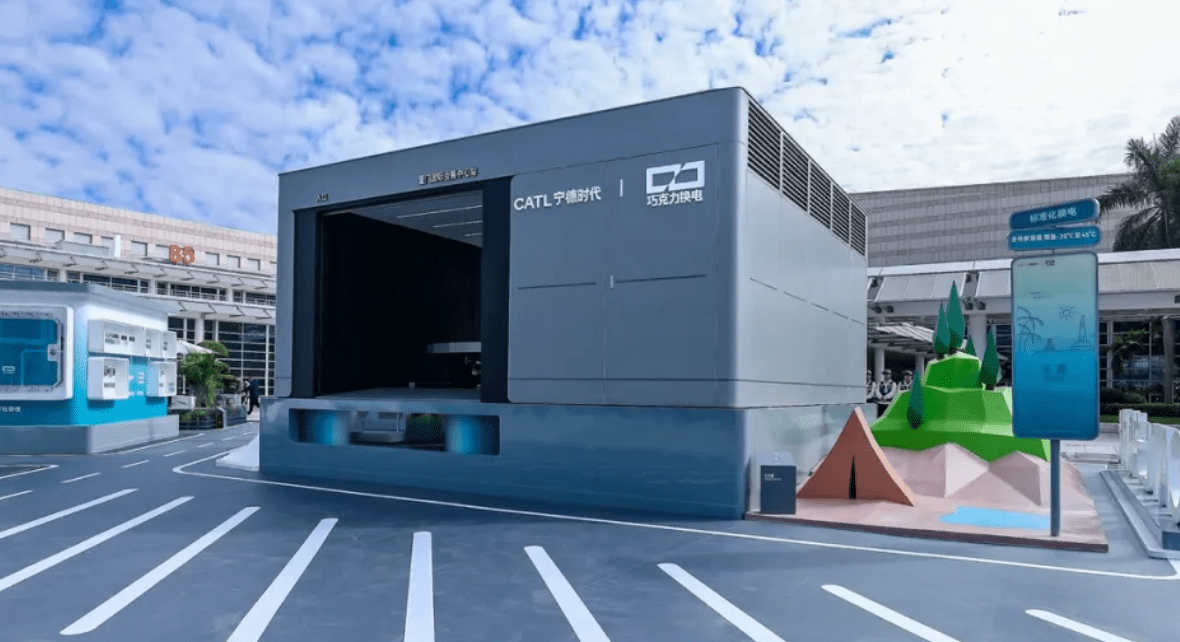
Chinese battery giant CATL recently completed the deployment of its 1,325th battery swapping station in China.
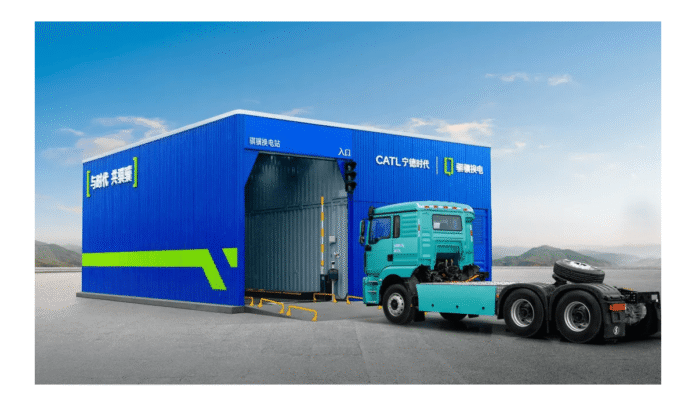
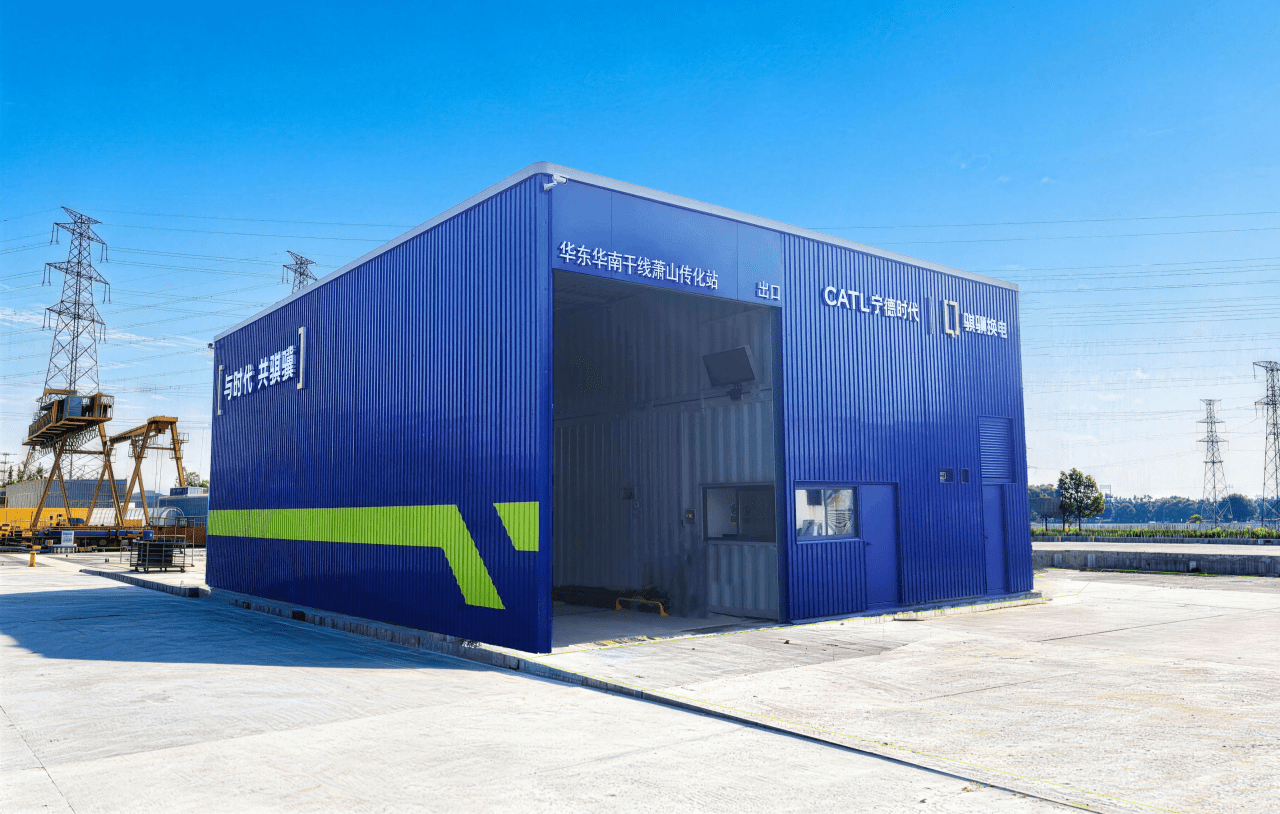
CATL’s Chocolate Battery Swapping network, which focuses on passenger EVs, has installed its 1,020th station in Nanchang, while its Qiji Battery Swapping network for commercial vehicles completed its 305th station, located in Hangzhou, part of its East and South China trunk line.
In one year, Chocolate Battery Swapping has extended into core urban clusters and has now entered 45 cities across China, serving major economic zones such as the Yangtze River Delta, the Beijing-Tianjin-Hebei region, the Sichuan-Chongqing region and the Greater Bay Area. The battery swapping stations can operate in temperatures ranging from -30° C to 42° C.
Chocolate Battery Swapping has established strategic partnerships with firms such as state oil producer Sinopec, the State Grid and China Southern Power Grid, ride-hailing app Didi, and transportation investment groups in various regions, to jointly promote the construction and operation of stations.
Qiji Battery Swapping is building infrastructure for heavy-duty trucks. It has initially formed a “two horizontal and two vertical” backbone covering multiple national expressway arteries such as G42 Shanghai-Chengdu, G60 Shanghai-Kunming, G2 Beijing-Shanghai and G4 Beijing-Hong Kong-Macau. The network covers a total of 78,000 km and 26 provinces across the country, to support the electrification of core logistics routes.
Qiji Battery Swapping has jointly launched more than 30 standardized battery swapping models with more than 10 vehicle manufacturers such as FAW Jiefang and Shaanxi Heavy Duty Truck. It has also cooperated with companies such as JD Logistics, Transfar Logistics and DHL to promote the battery swapping model in various logistics scenarios.
The network has established strategic cooperations with more than 30 expressway and transportation investment companies across the country to build new infrastructure for heavy-duty truck battery swapping networks.
By the end of 2026, the Chocolate Battery Swapping program plans to have built more than 3,000 swapping stations in over 140 cities and to launch highway network construction targeting a long-term goal of 30,000 stations, for which it will open a franchise program.
The Qiji Battery Swapping program plans to have built 900 stations by the end of 2026, expanding its trunk lines to “five horizontal and five vertical.” That will be expanded to an “eight horizontal and ten vertical” network covering 80% of the country’s trunk line capacity by 2030.
Dysprosium (Dy) oxide produced by US-based critical raw materials supplier Energy Fuels has passed initial purity and quality assurance and quality control benchmarks at an unnamed South Korean automotive manufacturer for rare earth permanent magnet production.
Energy Fuels produced the first kilogram of Dy oxide at its White Mesa Mill in Utah in August 2025, and output has so far totaled approximately 29 kg at pilot scale. The facility achieves purities of 99.9%, exceeding the automotive specification of 99.5% purity.
Dy oxide is a key additive in neodymium-iron-boron (NdFeB) that improves durability and magnetic performance in permanent magnets used in motors to power EVs, hybrid vehicles, robotics and other automotive and commercial applications.
The company previously announced that its neodymium-praseodymium (NdPr) oxide has also been qualified for use in NdFeB magnets.
Energy Fuels has started piloting terbium (Tb) oxide production at the facility and expects to have kilogram-scale samples available for qualification in early 2026. Tb oxide is also used in permanent magnets that can withstand high operating temperatures in EVs and defense systems.
Following the Tb oxide pilot, the company plans to begin piloting gadolinium (Gd) and then samarium (Sm) oxide production. It is proceeding with plans to build the infrastructure needed to produce Dy, Tb, and potentially Sm oxides at commercial scale at the White Mesa Mill. This would give it annual capacity to produce up to 48 metric tons (tonnes) of Dy oxide and 14 tonnes of Tb oxide, subject to available feed.
“Production of dysprosium oxide that meets stringent magnet specifications is another key milestone in the company’s critical materials strategy, demonstrating Energy Fuels’ unique and rapidly expanding capabilities in the rare earth sector, and in particular our ability to produce high-purity separated ‘heavy’ rare earth oxides from monazite at our White Mesa Mill in Utah,” said Mark S. Chalmers, CEO of Energy Fuels.
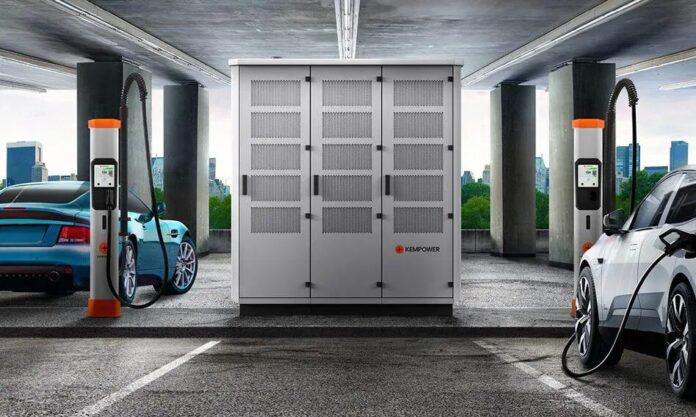
Kempower and GET Charged Fast EV Charging have launched a new EV fast charging station at Glen Oaks Shopping Center in Queens, New York. Four more stations are nearing completion located across Queens and Long Island. The new sites, in Whitestone (Queens), Levittown, Elmont and Commack, will open in early 2026.
Each location is powered by Kempower’s distributed charging systems. Each features eight Kempower Satellites, with both NACS and CCS1 connectors. The sites are strategically located at local shopping centers with grocery stores, restaurants and small businesses. The charging stations offer free WiFi and flexible payment options, and do not require apps or memberships to access charging.
“EV drivers increasingly prefer charging spots with access to a variety of services like the GET Charged retail-centered charging hubs,” said Kempower North America President Monil Malhotra.
“GET Charged is committed to providing fast, safe, and dependable charging infrastructure,” said GET Charged Fast EV Charging Co-Managing Partner Marc Horowitz. “Kempower is the ideal partner for supplying innovative, world-class charging hardware.”
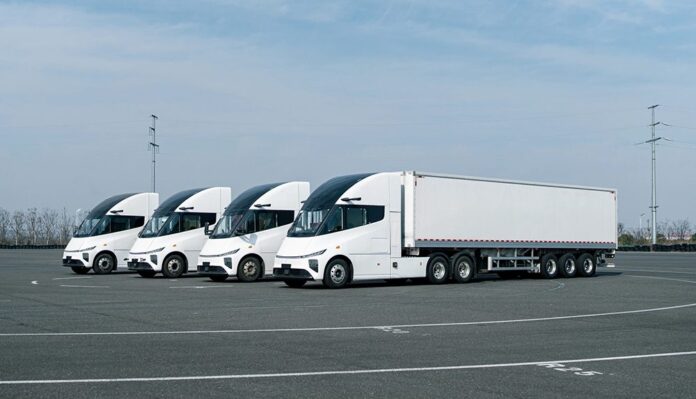
The Windrose R700 battery-electric Class 8 semi-truck has achieved homologation in the US, the EU and China. Homologation, the process of ensuring that new vehicles meet environmental, safety and technical standards, is required before vehicles can be sold in a particular market.
“US homologation was achieved at the end of 2025,” Windrose CEO Wen Han told Clean Trucking. “We’re accepting reservations now. Delivery has already started in California and will extend along the I-10 corridor.”
The R700 features a 729 kWh battery pack and an 800 V high-voltage system that supports megawatt-level dual-inlet charging. Fully loaded, it boasts 420 miles of range at a gross weight of 98,000 lbs. The starting price is expected to be around $250,000.
Windrose, founded in 2022, operates a production facility in Belgium for European deliveries, and plans to expand in France and the US (likely California) in the near future. Major components such as the chassis, e-axles, batteries and suspension are expected to be manufactured in China.
Windrose is currently accepting US reservations with a $15,000 deposit per truck.
EV charger manufacturer MSI has released a new portable Level 1/Level 2 charger that delivers up to 9.6 kW of power (40 A).
MSI’s new EZgo is designed to be “the charger you keep mounted at home during the week—and toss in the trunk when you travel. It supports 100-240 V input voltages, comes with NEMA 5-15 (120 V) and NEMA 14-50 (240 V) wall plugs, and features a 25-foot cable. It’s available with either a Type 1 (J1772) or a NACS charging plug.
The most essential feature of any EV charger is UL certification, an indication of electrical safety that many of the cheap chargers sold on Amazon don’t have. MSI’s products comply with the UL 2594 and UL 2231 standards. Furthermore, they use materials aligned with UL 94-V0 and UL 746C (F1), which indicate their resistance to long-term exposure to heat, sun and weather.
EZgo’s IP66-rated enclosure helps protect the unit against dust and water exposure, and its 2T run-over evaluation indicates that it’s built to withstand some abuse on the road.
EZgo features a 1.8-inch display that shows essential charging data at a glance, plus physical buttons for scheduling and manual amp adjustment. Drivers can also use MSI’s aConnect feature to enable Bluetooth pairing and multi-user sharing.
EZgo comes with a mounting kit for home storage and a carry bag to keep it organized in the trunk or frunk.
“Portable charging shouldn’t feel like a compromise,” said Engin Yoruk, North America Product Manager of EVSE at MSI. “EZgo delivers the power, durability, and smart control drivers want, while keeping it simple and compact enough to use anywhere you can find an outlet.”
MSI is also expanding its home charging lineup with EV Life Premium, a Level 2 charger that delivers up to 14.4 kW (60 A) of output, and can be installed in both hard-wired and plug-in (NEMA 14-50) configurations.
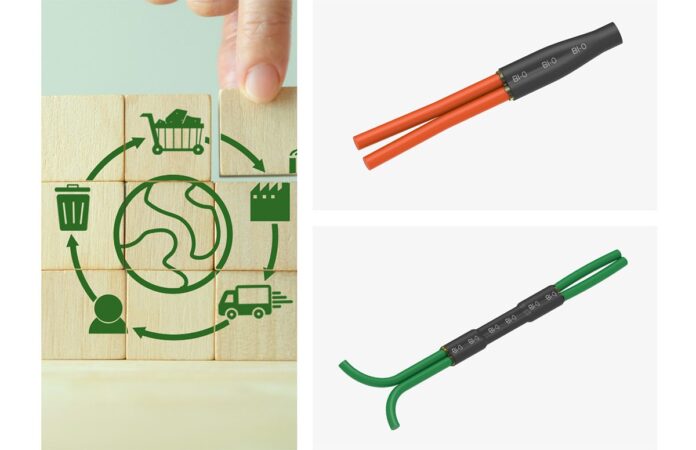
Due to the rising global demand for sustainable chemicals, the bio-based polymer market is anticipated to expand substantially in the future, based on industry forecasts. The primary driving force behind the development of bio-based polymers is their use of renewable, plant-based content which is critical given the public’s concern on the use of fossil fuels. Significant advancements in the method for refining biomass raw materials towards the creation of bio-based construction materials and products are driving this rise.
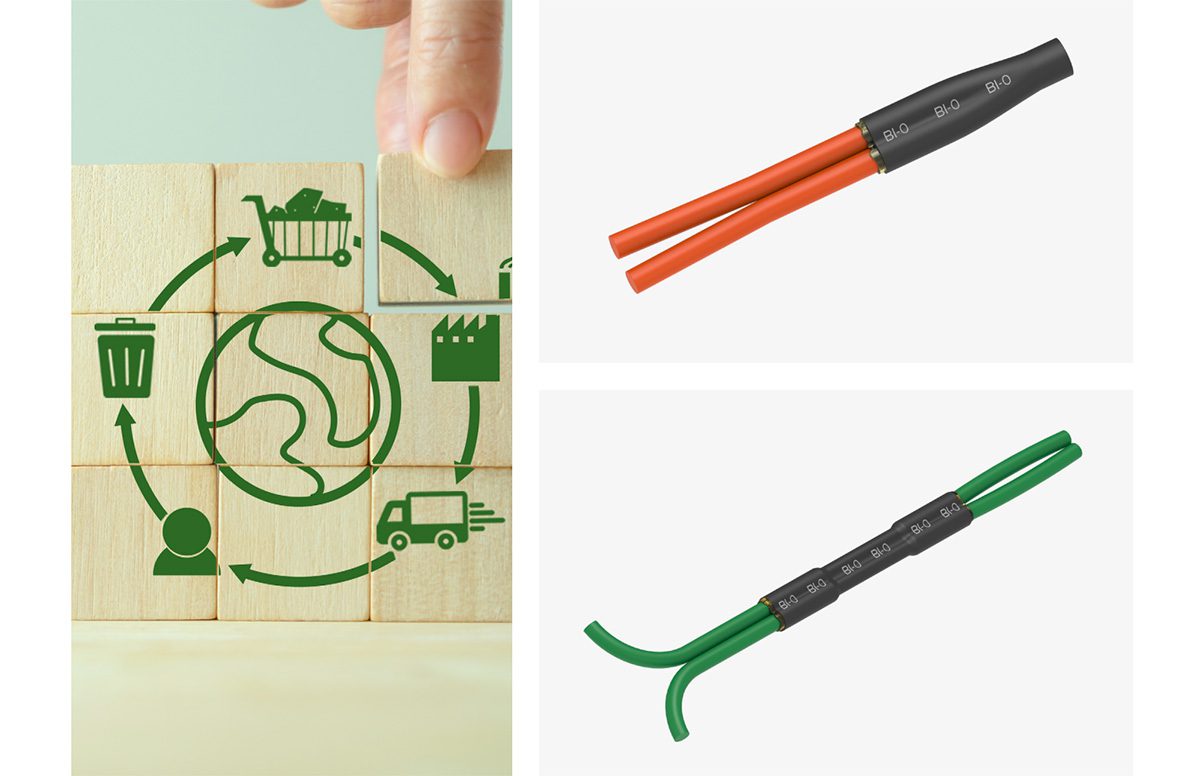
Are you ready to revolutionize your approach to electronic component protection? Discover the groundbreaking advancements in bio-based heat shrink tubing materials that are setting new standards in sustainability and performance. This exclusive whitepaper delves into the latest innovations and market trends, providing you with the insights needed to stay ahead in the industry.
Here’s what you’ll learn:
Market Dynamics: Understand the driving forces behind the growth of bio-based polymers and their impact on the industry
Scientific Innovations: Explore the latest advancements in polymer chemistry and the development of bio-based materials
Environmental Impact: Learn how bio-based polymers reduce greenhouse gas emissions and reliance on fossil fuels
Application Benefits: Discover the versatility, durability, and safety features of bio-based heat shrink tubing in various applications.
Sensata Technologies has announced the STEV series of high-voltage contactors for battery electric vehicles and plug-in hybrid electric vehicles, positioning the parts as high-efficiency switches with “robust protection” for modern electrified vehicle platforms. Sensata says the series targets OEM needs around safety, efficiency, and integration in high-voltage power architectures.
The contactors are high-voltage switches that open and close an electrical circuit thousands of times over a vehicle’s life. In EVs contactors control power flow between the battery and systems such as the inverter and charger, making them part of the vehicle’s protective architecture and linked to safety, efficiency, and reliability.
Sensata says the STEV series scales from plug-in hybrid passenger cars to battery electric pickup trucks and Class 8 heavy-duty trucks. This scalability can help OEMs standardize switching technology across multiple vehicle lines to simplify integration and reduce development time.
On design and qualification, Sensata says STEV contactors are customizable and based on core switching technology “refined over years of development.” The series is engineered to meet automotive safety and quality requirements, including compliance with Advanced Product Quality Planning (APQP) processes and other OEM certification requirements, for integration into global vehicle platforms.
“We don’t just manufacture components. We engineer solutions with our customers, adapting our STEV contactors to the unique demands of leading OEM’s applications,” said Markus Schwabe, EVP, Automotive and Aftermarket at Sensata Technologies.
The STEV series supports continuous current carry ratings from 150 A to 600 A and “high short-circuit withstand capability greater than 20 kA,” enabled by hermetic sealing and modular designs.
Sensata also lists low contact resistance and minimized heat generation, along with: single- or dual-assembly options; bidirectional current capability on select models via non-polarity main contacts; hermetic ceramic sealing for arc containment and environmental protection (with IP67 ingress protection available on specific variants); and electrical isolation specs including coil-to-contact dielectric strength up to 3.0 kV and insulation resistance of 1000 MΩ at 1000 VDC.
Sensata supplies high-voltage solutions through engineering and manufacturing sites across North America, Europe, and Asia to support in-region production and localization.
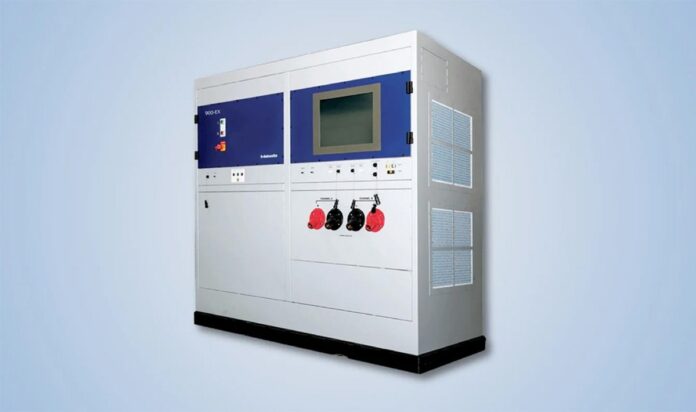
Webasto Power Test Systems says it has partnered with Maccor to provide integrated electric vehicle testing systems for original equipment manufacturers, battery labs and universities. The companies say the combined offering spans cell and module cycling through high-voltage pack and drivetrain emulation, aiming to cover a broader set of validation needs as electrification testing requirements increase.
The collaboration connects customers with Maccor for precision cell, module, and pack testing, and with Webasto for high-power, bidirectional systems. Webasto says the systems are designed, manufactured, and serviced in the US, which it claims supports supply stability, shorter lead times, and responsive technical support.
Webasto notes that testing requirements are becoming more demanding and that manufacturers and research teams need solutions that can scale with evolving technologies, meet rigorous safety standards, and support realistic performance validation.
Target applications listed in the announcement include automotive and commercial vehicles, along with off-highway platforms. The companies also cite aerospace and energy storage applications for the combined test capabilities, which include precision cell cycling and high-voltage pack and drivetrain emulation.
The built-in battery doesn’t power the wheels, but Honda’s prototype all-electric camping trailer offers all the benefits of electricity far from the grid.
Lofty words about “challenging convention” and being “deeply committed to innovation” and taking “bold actions” for a new product are almost a staple of automaker presentations. Occasionally, however, the language may be justified.
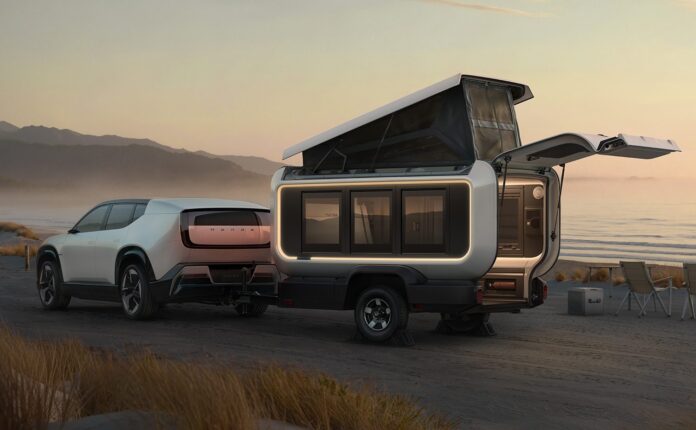
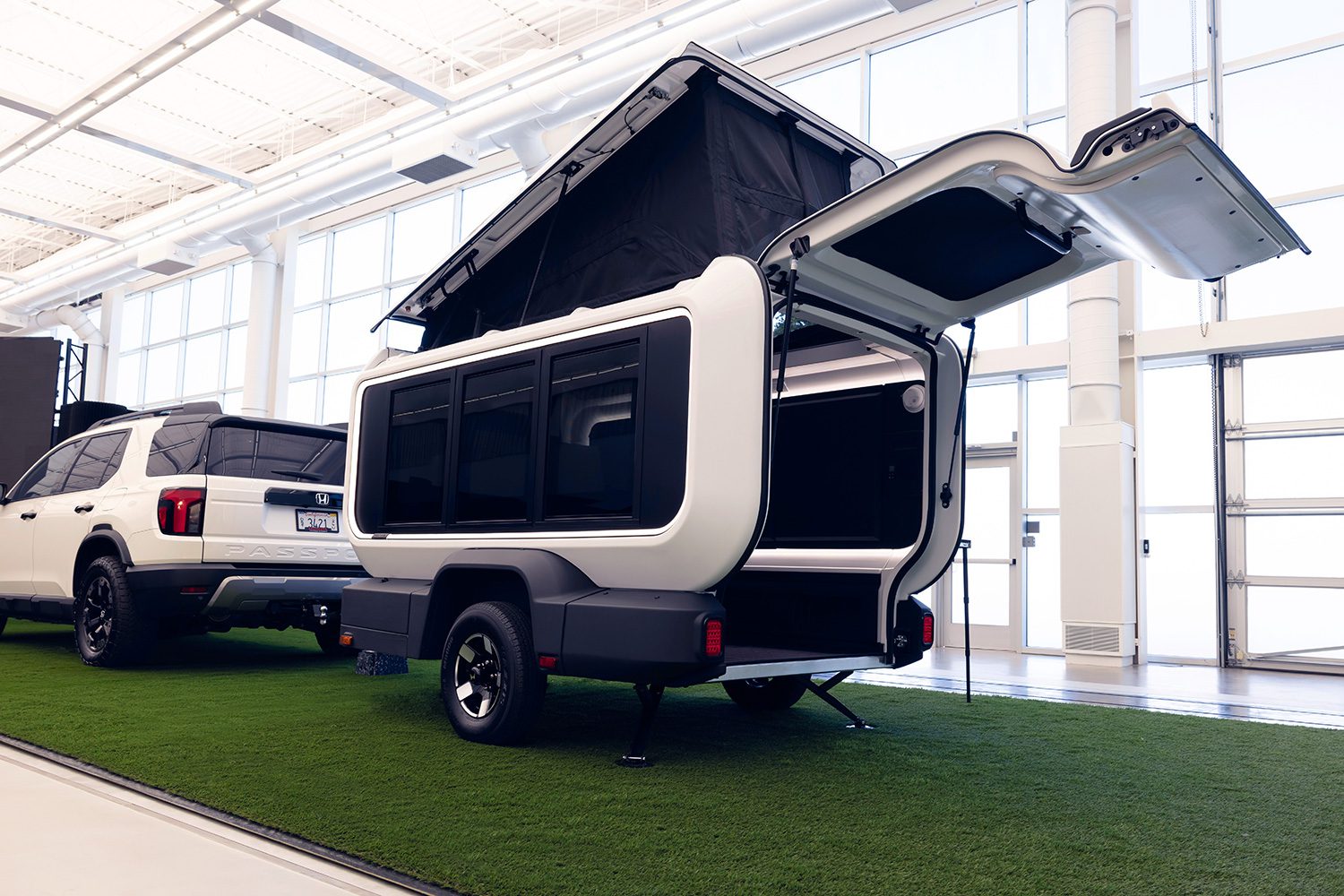
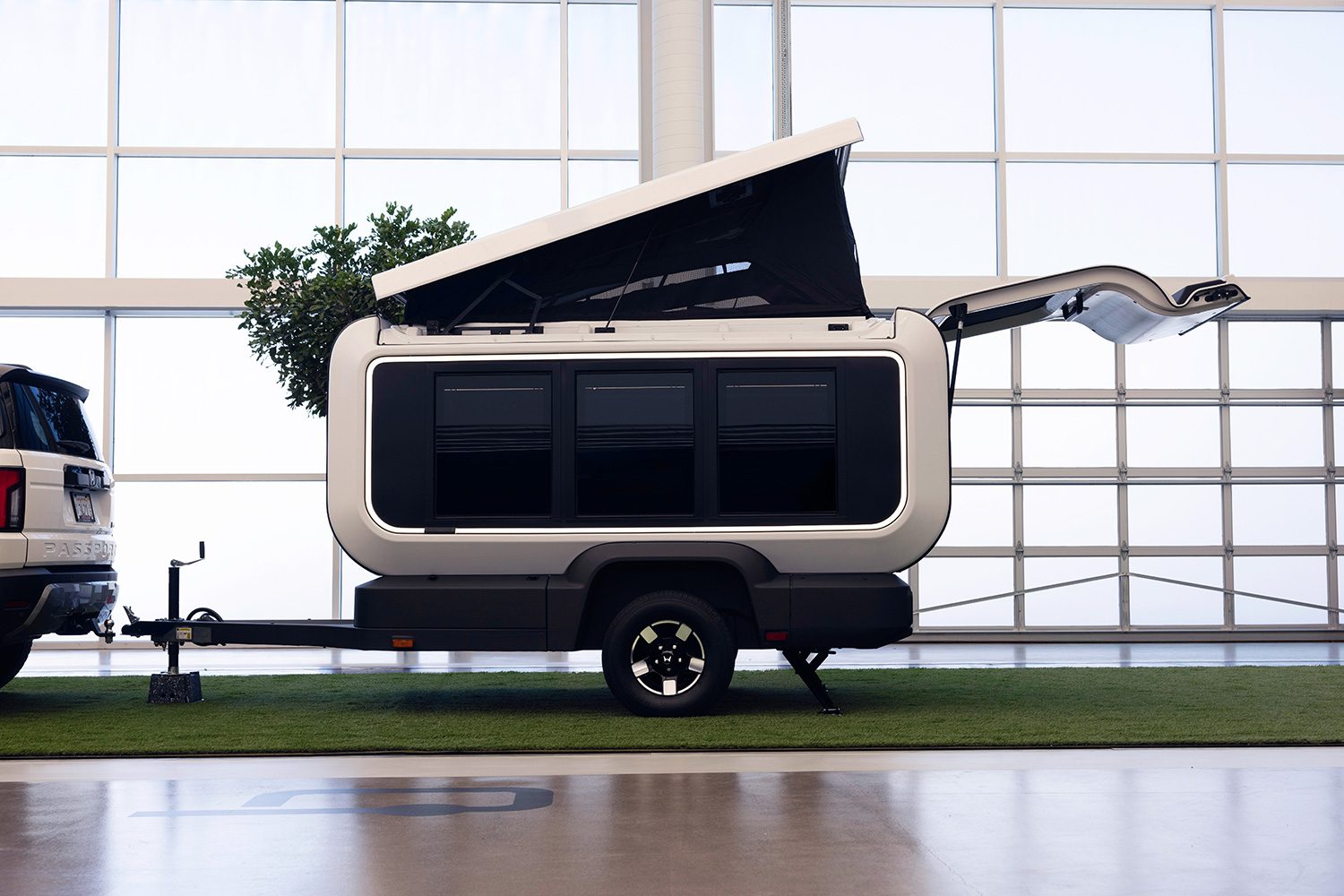
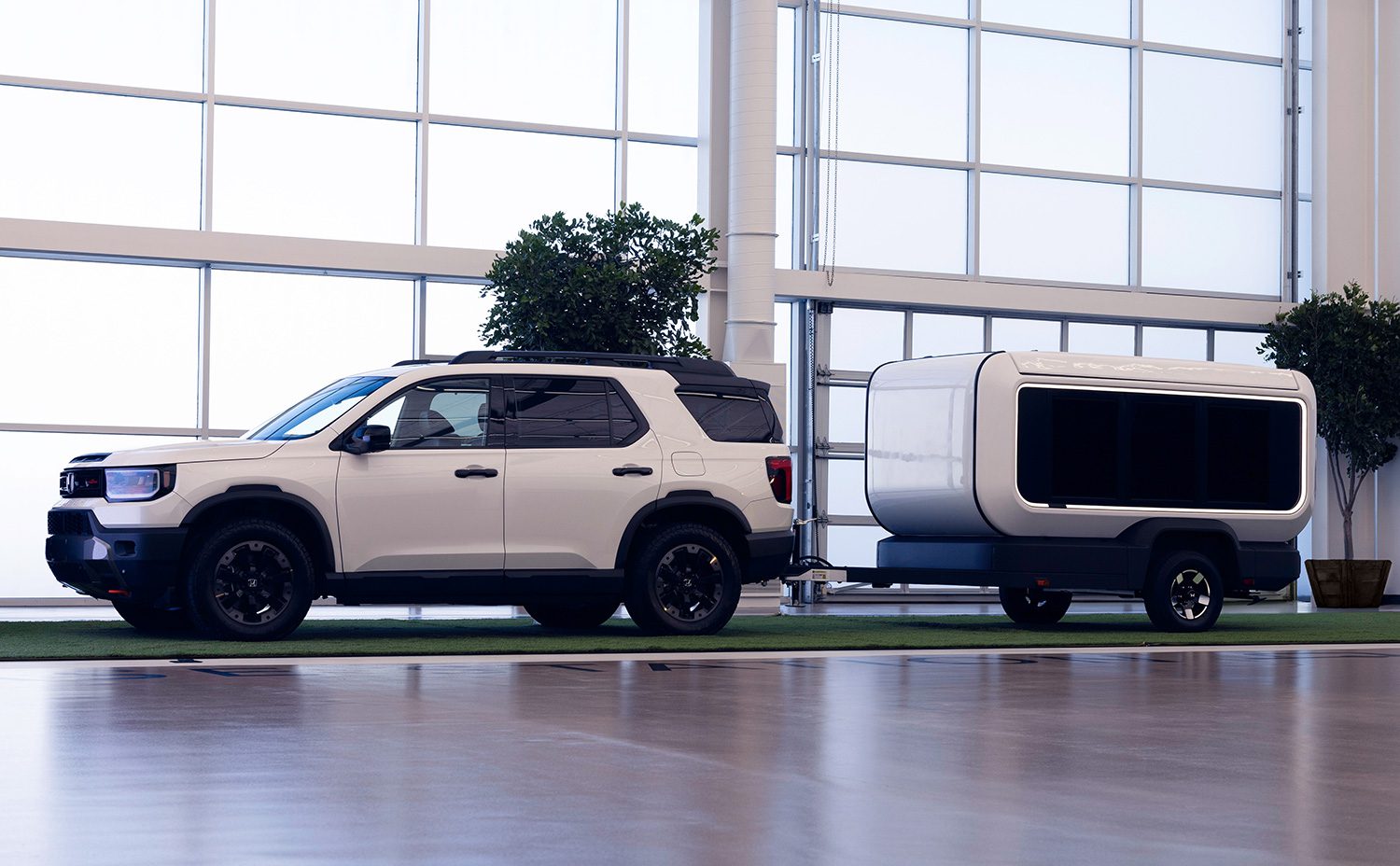
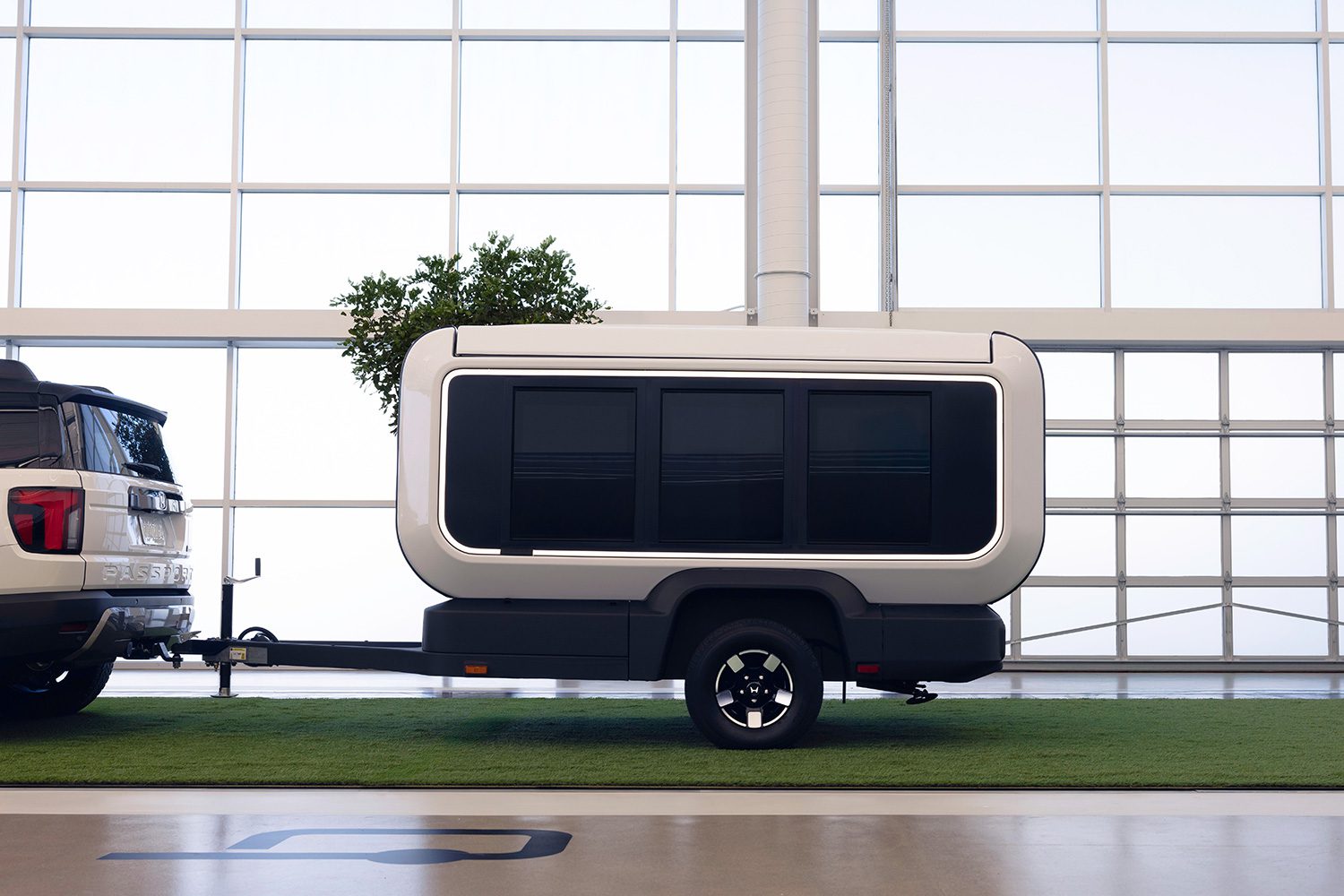
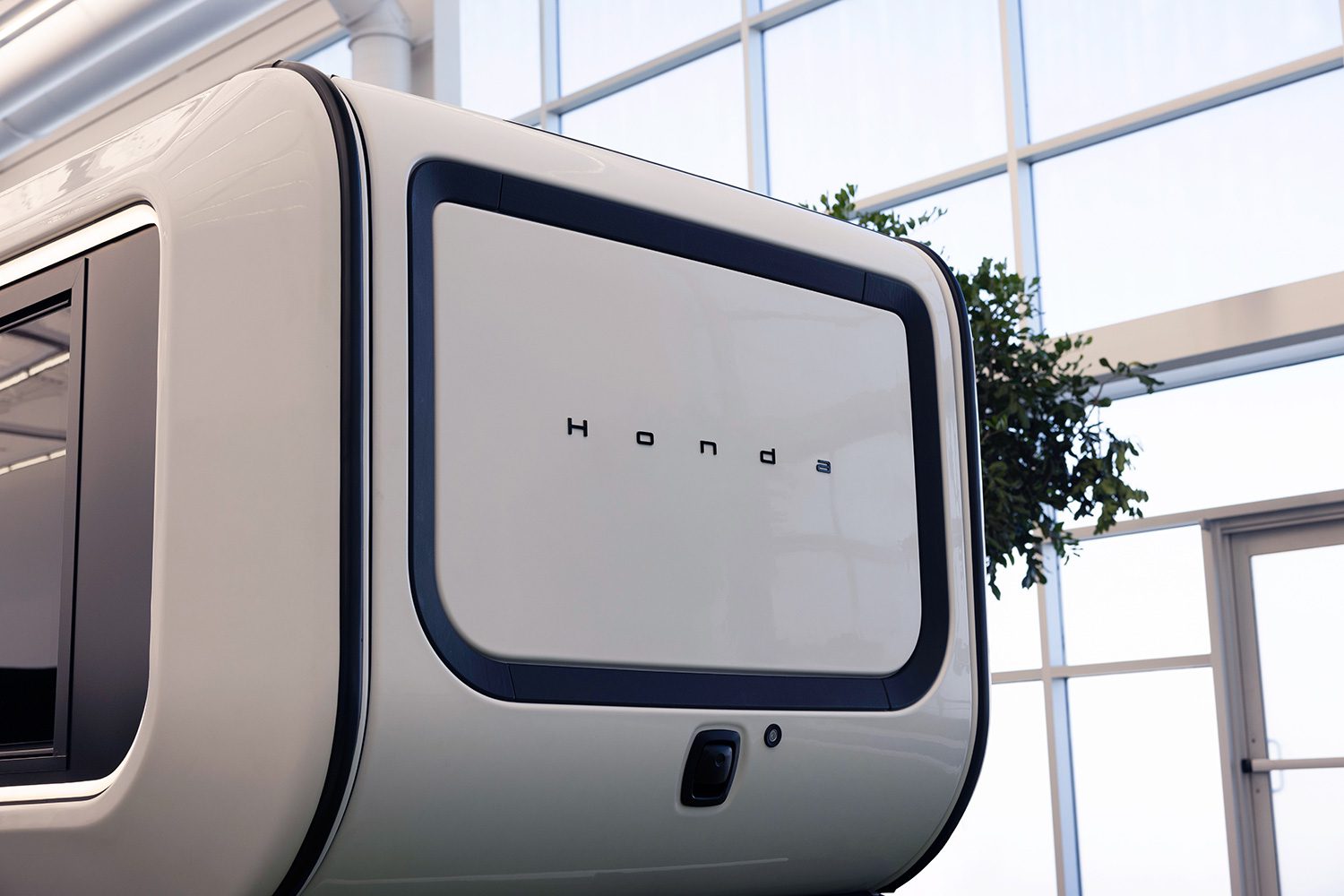
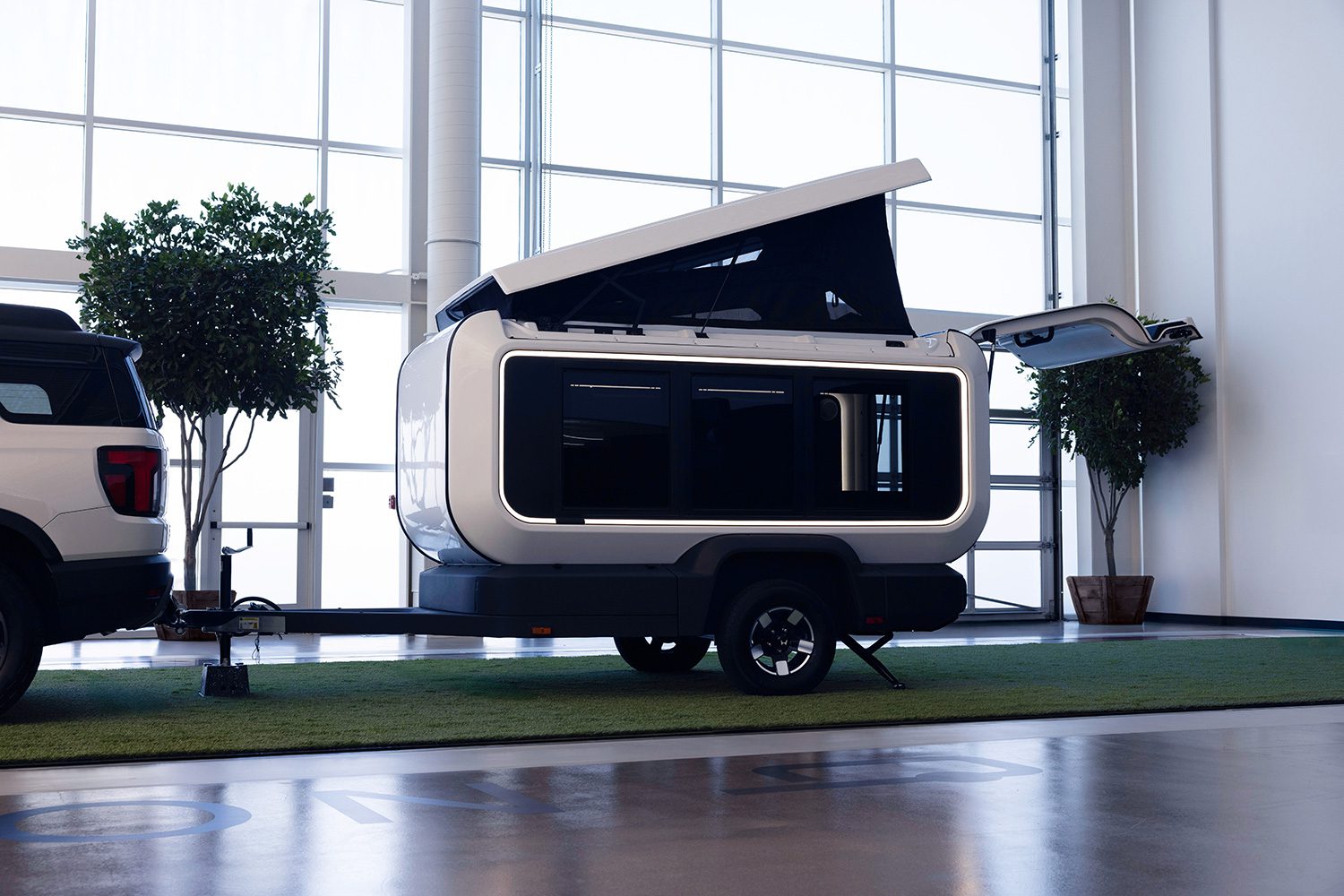
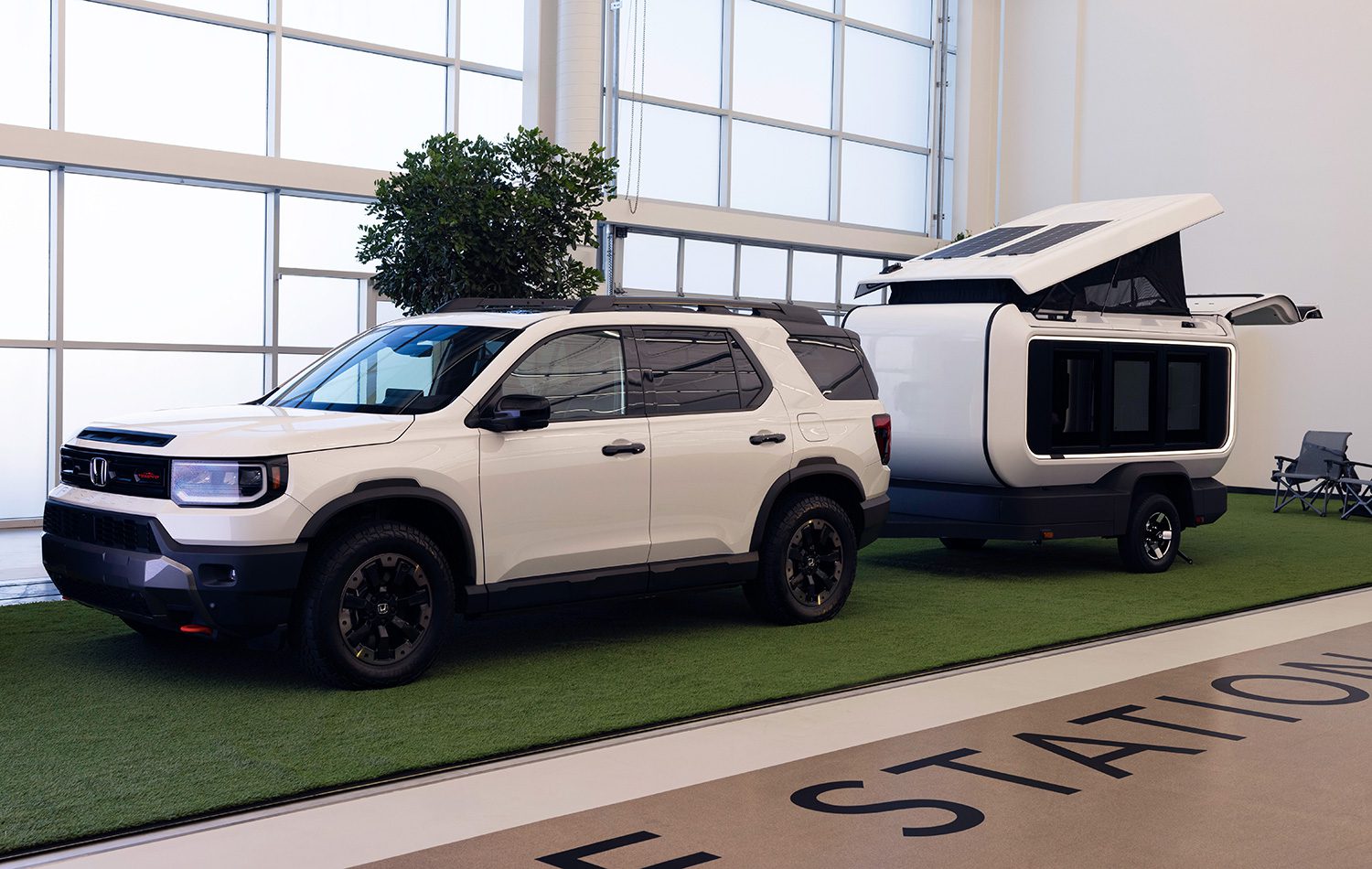
Today, Honda announced its Base Station Prototype, a lightweight, enclosed trailer that includes an onboard lithium-ion battery plus solar panels to recharge it when away from grid power.
R&D’s camping fans
As recounted by Honda’s vice president of R&D Jane Nakagawa, the Base Station idea emerged from discussions among the same group at Honda R&D that developed Honda’s quirky, foldable MotoCompacto personal electric scooter. Located in Irvine, California, the group had numerous camping fans, some among the 15 million new campers—with an average age of 30—who’ve joined 65 million existing campers in the six years since the global Covid pandemic boosted the nature getaway craze into high gear.
They started to debate: How could we democratize camping? What would it take to have a proper, high-quality camping trailer that differs from darker, more cramped offerings now on the market? One towable by nothing larger than a compact SUV—including a battery-electric one?
Five years later, the result is the prototype for the Honda Base Station trailer, with a target weight of less than 1,400 pounds, capable of fitting into a standard-size home garage. It is eminently customizable, both by do-it-yourself owners and through a variety of electric accessory modules to be offered by Honda. At launch, they will include an external kitchen with an induction cooktop, an external shower, and an air conditioning unit.
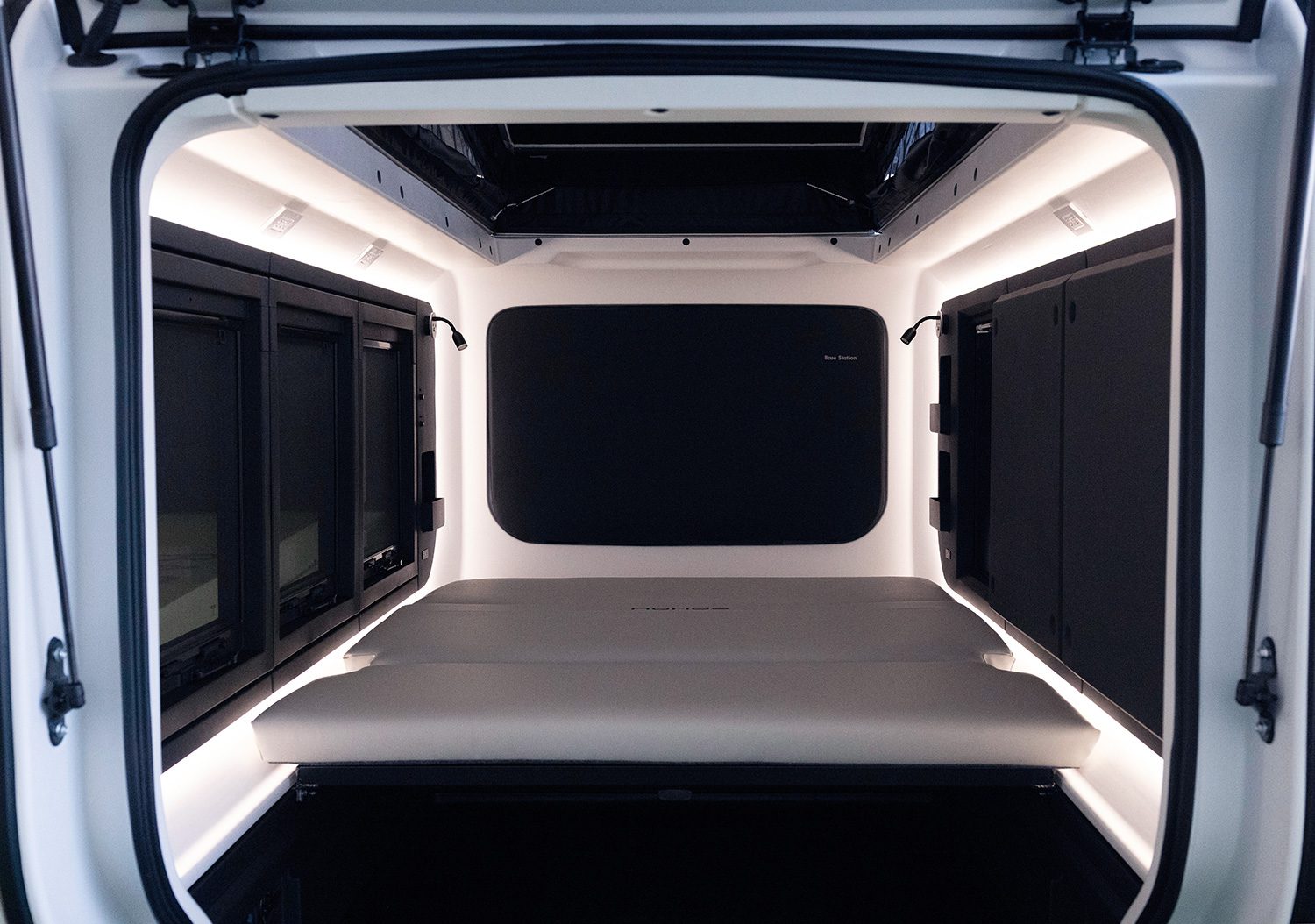
The roof pops up so occupants up to 7 feet tall can stand upright. The large top-hinged rear tailgate opens to the floor, adding to the light from five large side windows—some of which can be replaced with the user’s choice of accessory modules. LED light rings around the windows can illuminate a campsite for easier night-time setup. Awnings are a further option.
The light weight comes from an aluminum cage structure, with fiberglass exterior panels. While the accessories clearly add heft, the weight target was chosen to fit within the 1,500-pound towing capacity of certain compact hybrid or battery-electric crossover utility vehicles. Honda notes that buyers can choose modules of specified weights to stay within the tow rating of the vehicle they’ll use to pull it.
Battery, outlets, and solar panels
Underneath the futon couch, which converts into a queen bed, sits a lithium-ion battery—Honda declined to specify its capacity—plus associated inverters and electronics that power the electric accessories. Fully charged, it will power the camper for “a long weekend of camping,” though the Base Station also comes with a 120-volt charging cord rated at 30 amps. Inside the camper are both 120-volt outlets and USB ports. A pair of solar panels—no specs on those yet, either—will help to compensate for “a lot of usage” no matter what the occupants do.
From the start, the Base Station was designed for the lowest possible aerodynamic drag behind a variety of tow vehicles, especially EVs. The chamfered edges and profile minimize the effect of side winds. Honda EVs today are limited to the Prologue midsize SUV, but next year, that car will be joined by the 0 Series SUV, built in Honda’s own plant in Ohio. (The Prologue is built by General Motors on the underpinnings of the Chevy Blazer EV.)
A few features were omitted to lower cost and keep weight down. It has no built-in water storage, for instance, nor is there notable insulation in the walls and roof for cold-weather camping. An electric resistance heater comes standard with the Base Station, as does built-in cove lighting. Experienced trailer towers expect, and will get, hydraulic brakes that work with the car’s own braking system through the trailer-wiring connection. And it includes a full-sized spare tire.
Product leader Dillon Kane, an avid off-roader and camper, told Charged a user will be able to go from arrival at a campsite to sleeping in bed in no more than 5 minutes. Presuming the Prototype becomes a production Honda, specs, details and prices will be released closer to its on-sale date.
Honda provided transportation and meals to enable Charged to bring you this first-person report during a trip to the Los Angeles Auto Show.