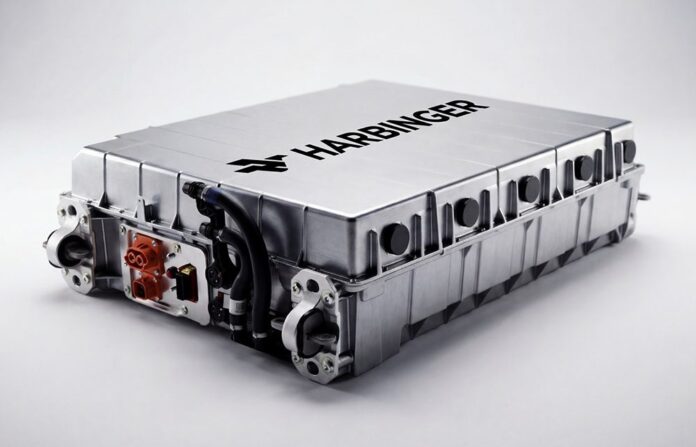
Commercial EV manufacturer Harbinger Motors is branching out into a new line of business. The new Harbinger Industria division will offer Harbinger battery technology as standalone products for energy storage and auxiliary power.
Airstream, the iconic manufacturer of handcrafted, riveted aluminum travel trailers, is the first customer to integrate Harbinger’s energy storage technology. Airstream recently unveiled its new Trade Wind 27FB travel trailer, which features the Harbinger Power System to support off-grid camping, air conditioning and integration with solar power.
Other EV startups have been dropping like fruit flies, but Harbinger’s sales grew steadily throughout 2025, and the end of the IRA tax credits didn’t even amount to a speed bump. In a recent in-depth interview, co-founder and CEO John Harris told Charged that the company’s secret sauce includes a deep bench of tech talent, vertical integration, and a narrow focus on vehicle classes in which the company can offer price parity with legacy ICE trucks.
Harbinger designs and manufactures its proprietary high-voltage battery system at its factory in California. The company says its vertically integrated approach enhances performance, durability and cost efficiency. Harbinger’s batteries feature lithium-ion cells from Panasonic Energy, and are built to automotive-grade standards.
Features of the Trade Wind 27FB next‑generation energy system include:
The largest battery capacity in the Airstream travel trailer lineup: up to 18.5 kWh.
A fully integrated 600 W rooftop solar power system.
A 50-amp service with dual air conditioners equipped with heat pumps.
A 5,000 W inverter to enable a fully inverted electrical system.
The Harbinger Power System continuously monitors system health and ambient conditions, automatically managing battery performance to maintain optimal operation. Intelligent control of high- and low-voltage states helps prevent depletion, while a liquid-based thermal system protects the battery from extreme temperatures to extend service life. A custom display provides real-time visibility into system health, energy use and power availability across batteries, shore power and solar.
“Harbinger is excited to be driving the reindustrialization of American supply chains, bringing our industry-leading battery technology to market with Airstream, the most iconic brand in recreation,” said John Harris. “By introducing automotive battery systems to the RV market, we’re helping set a new standard for off-grid performance, and demonstrating that high-quality, American-made battery systems can be delivered at a price point that makes sense for customers.”
“The Airstream Trade Wind 27FB has the most capable off-grid electrical system we’ve ever offered in our travel trailer product line,” said Airstream President and CEO Bob Wheeler. “By integrating Harbinger’s industry-leading battery technology in our travel trailers, our customers can stay off-grid longer with confidence.”
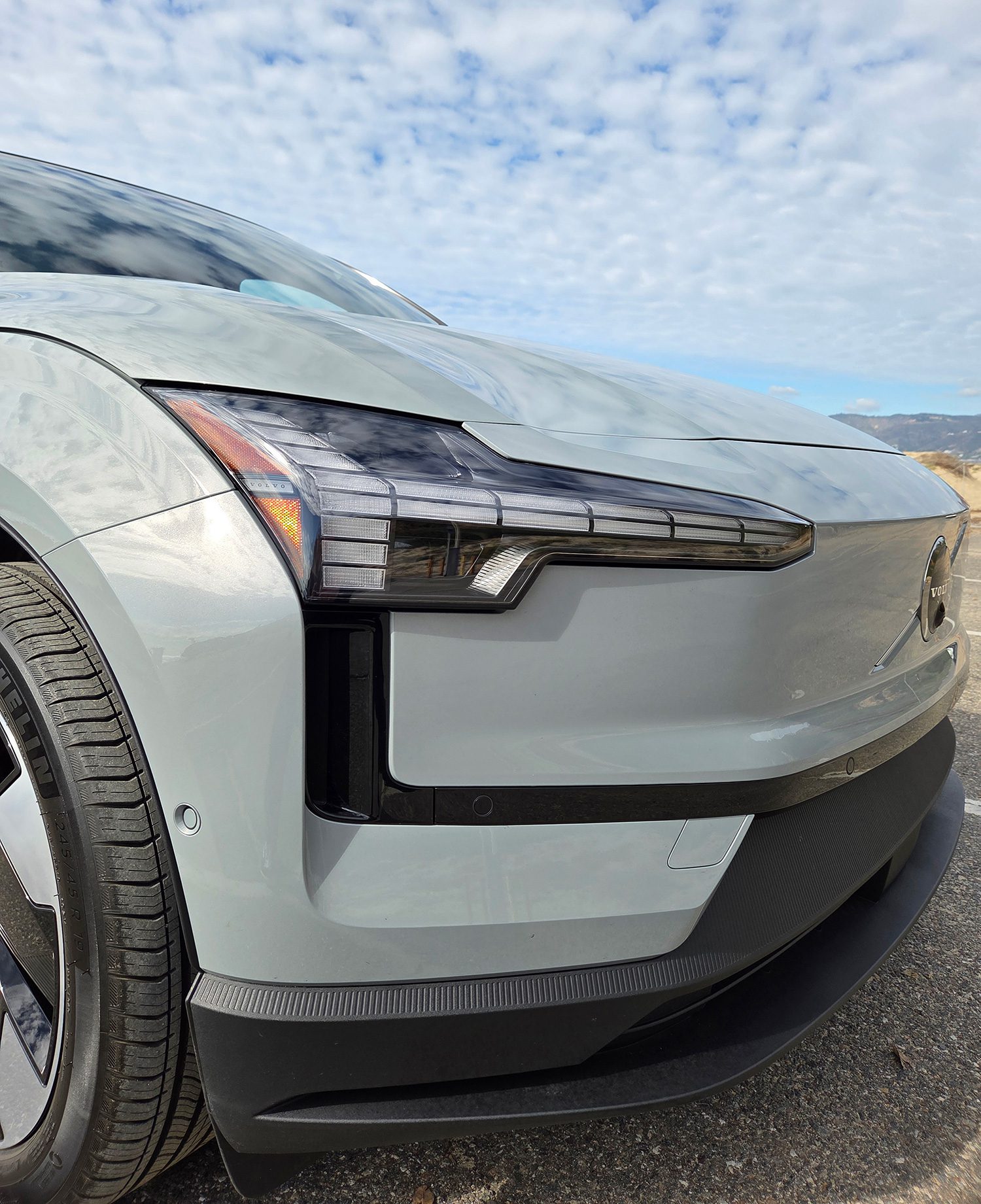
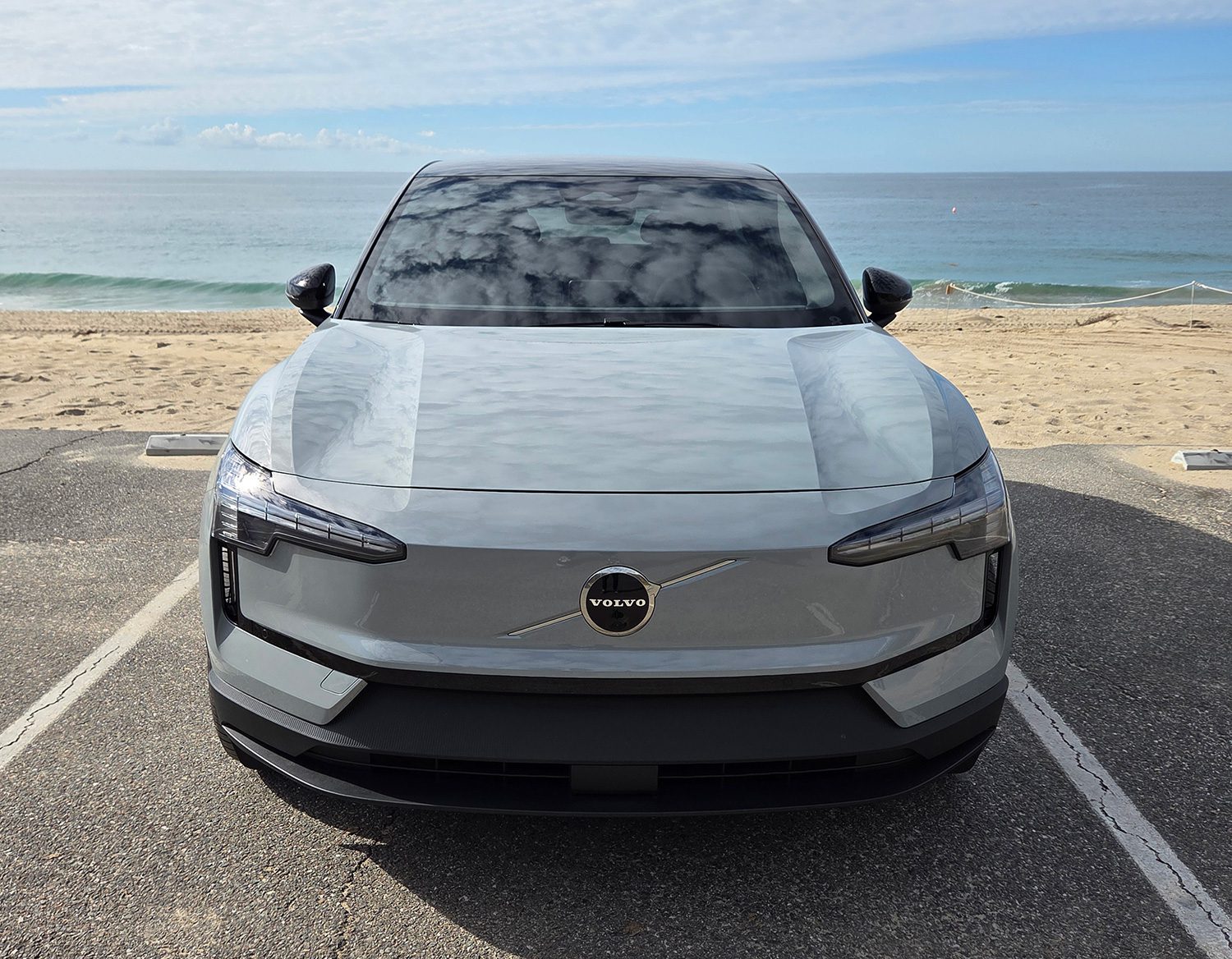
Fast-forward to the end of 2024. Volvo was able to deliver a few 422 hp EX30 Twin Motor high-performance models that December, but volume sales in the US had to wait for the start of assembly at Volvo’s plant in Ghent, Belgium. EX30s built there avoid the tariffs on Chinese-built cars imported into the US. They now must carry a 15-percent tariff imposed on European imports last August, but that’s manageable compared to the 147-percent rate on EX30s from China.
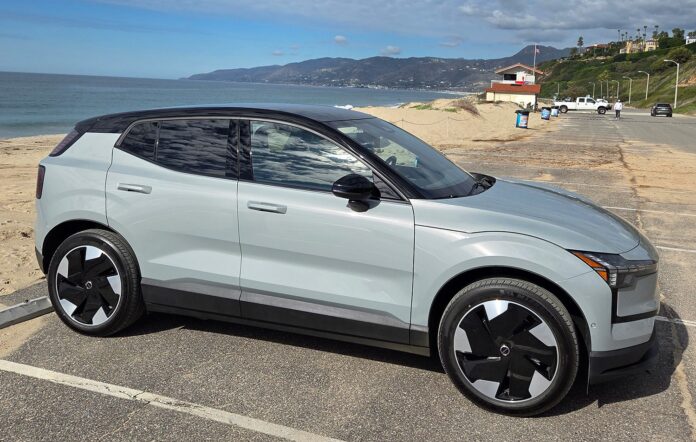
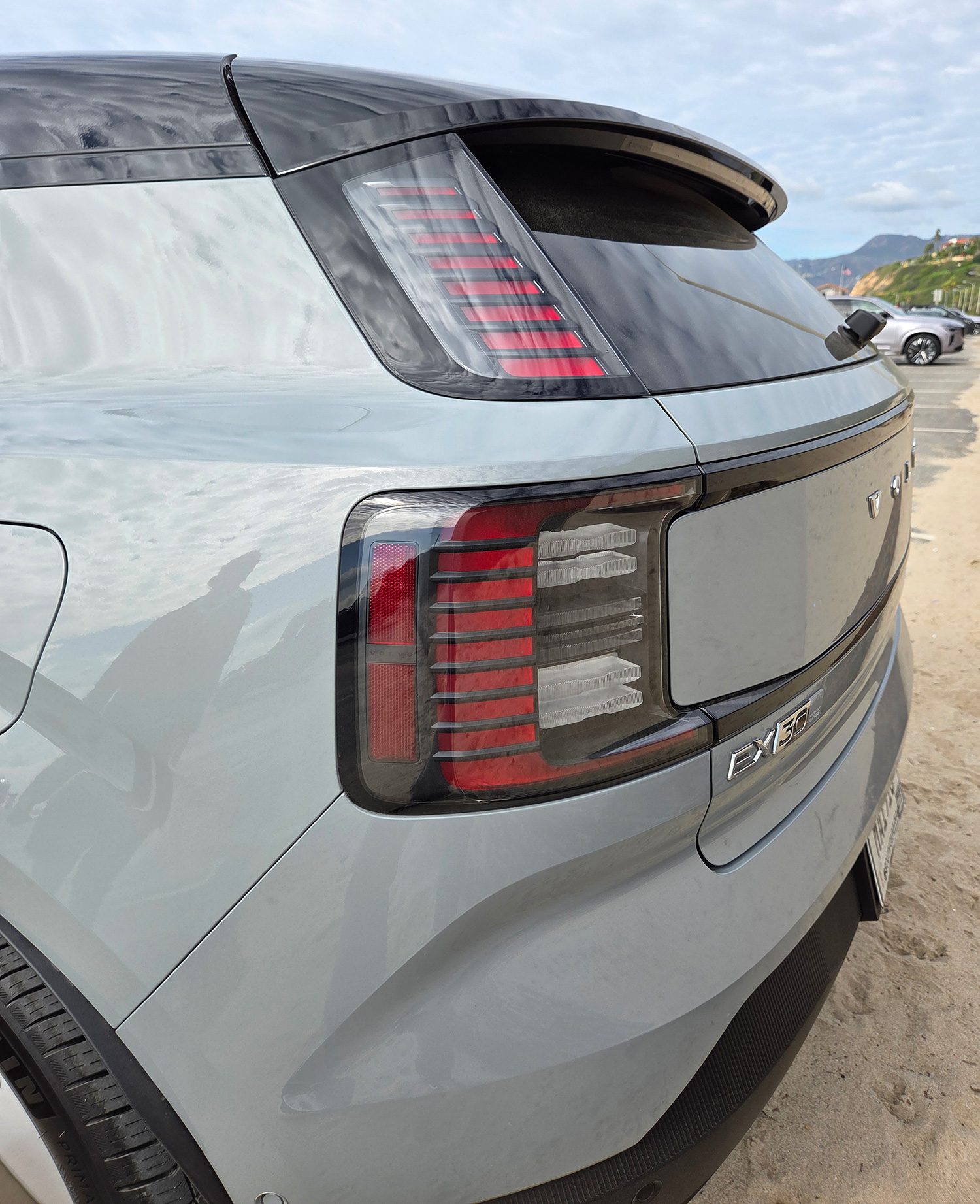
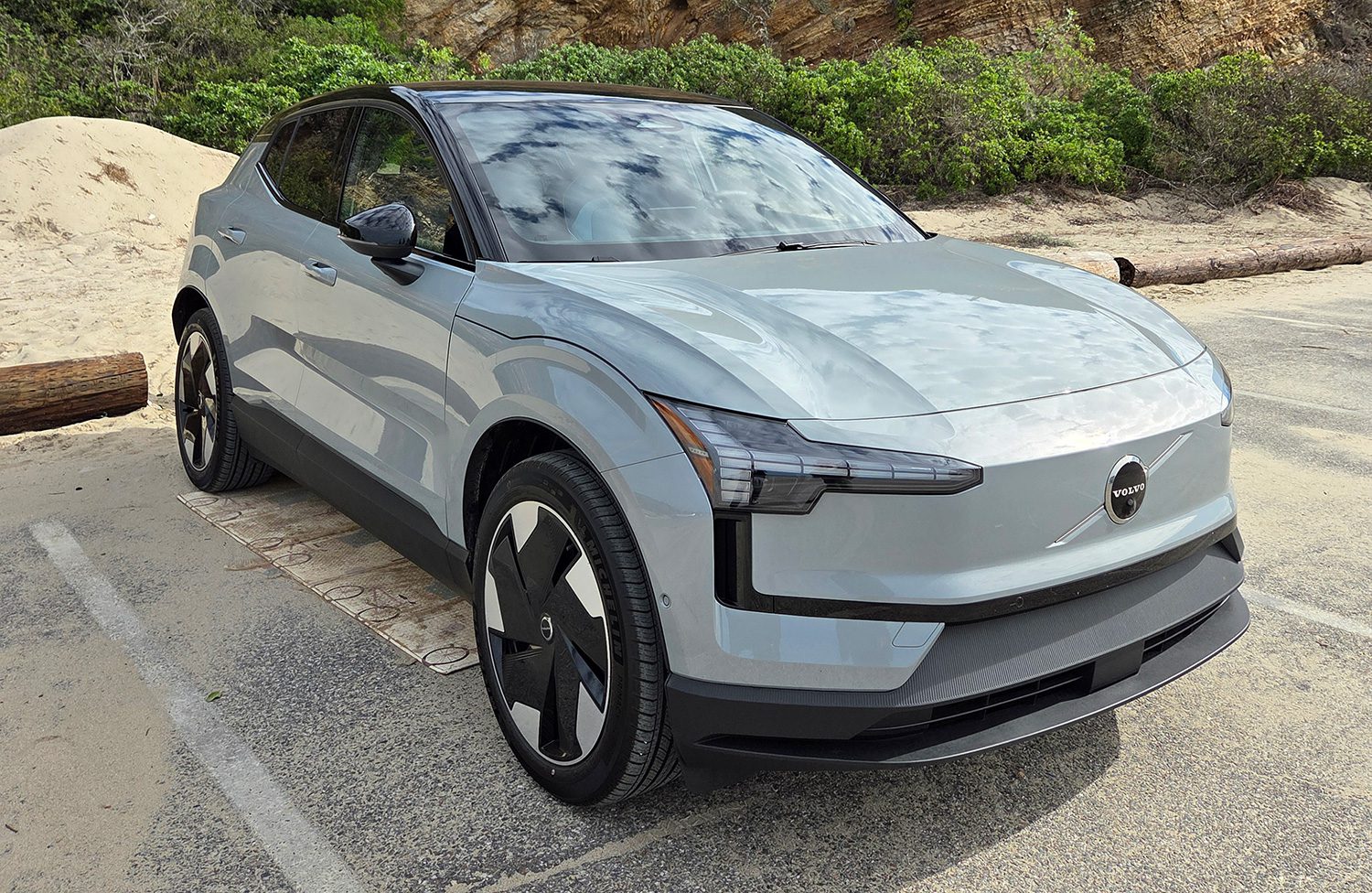
So it wasn’t until last fall that deliveries of Belgian-built EX30s, including the entry-level Single Motor version and the “soft-road” Cross Country model, started. In November, I got a chance to reacquaint myself with the two new versions of the littlest Volvo at an event held just before media days at the Los Angeles Auto Show.
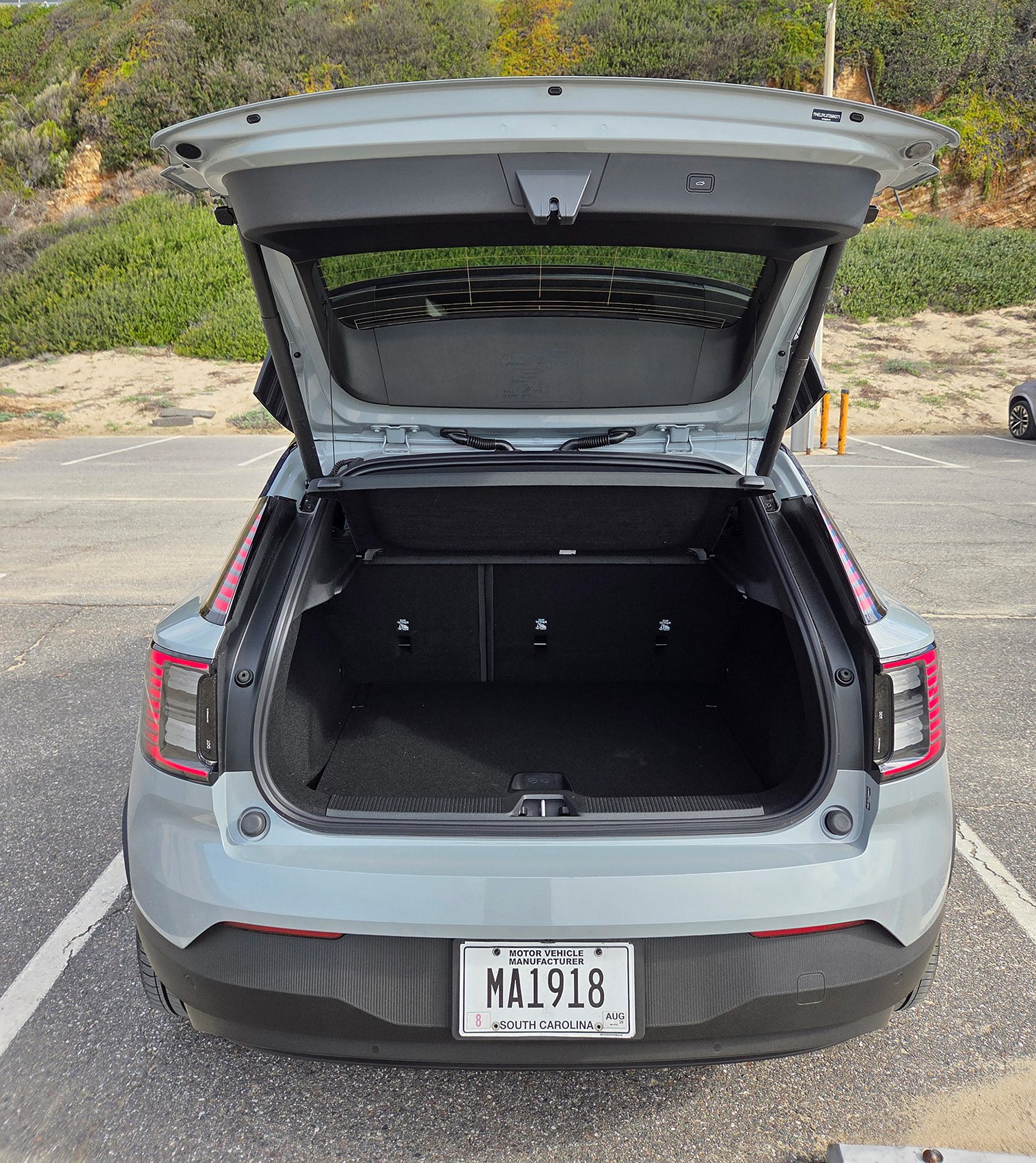
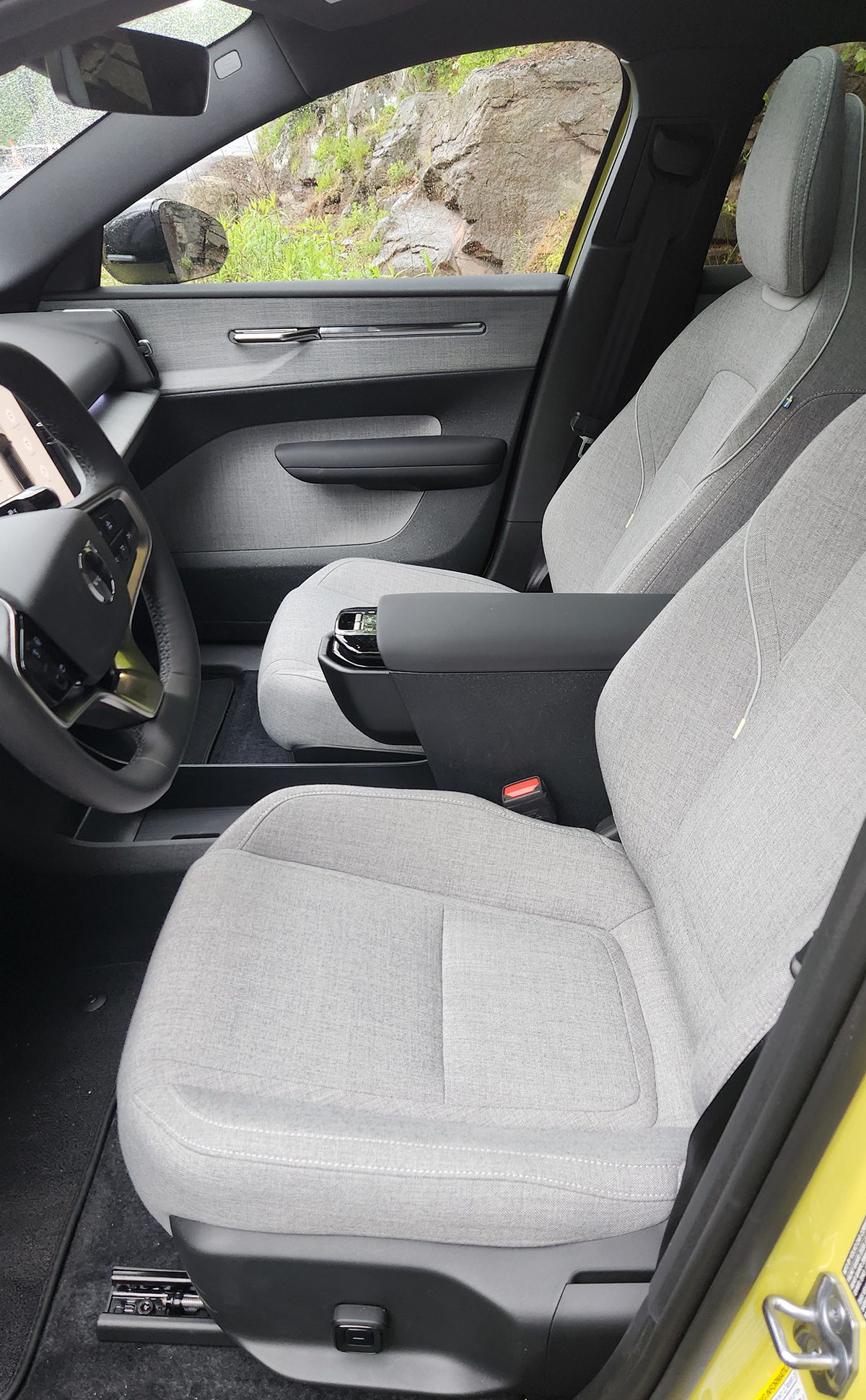
The verdict? The 2026 Volvo EX30, in pretty much any of its versions, is fun to drive and a perfect two-seat second car. It is not, however, a family vehicle—the rear seat is pretty much unusable for any adult who isn’t a short, skinny contortionist.
Sadly, the EX30’s early claim that it would be a $35,000 Volvo has vanished. The sticker price on the cheapest Single Motor Plus model available for test totaled $40,745. A better-equipped Single Motor Ultra cost $1,700 more. That’s considered “accessible” now that Volvo has been recast as a luxury brand. Both versions carried an EPA range rating of 261 miles. The EX30 Twin Motor Cross Country Ultra I tested came in at a startling $54,995—just under the larger EX40—and it had a lower EPA range too, just 227 miles.
If you need a rear seat usable by anyone over 10, ever, you’ll have to move up to the EX40—which starts at $56,445 (all prices include the mandatory $1,295 destination fee). To be honest, while the smallest Volvo has good points, it doesn’t seem as appealing at $40-55K as it did with a starting price in the $30s. Those world changes can hurt.
Single Motor: “all the EX30 you need“
In electric vehicles that offer variants with one or two motors, the cheaper single-motor version gives higher range, often at the price of lower performance. But the EX30 is just fine—spritely, even—in the base 268-horsepower Single Motor trim. It’s more than punchy in traffic, and even at highway speeds of 80 mph, there’s plenty of acceleration through its single rear motor.
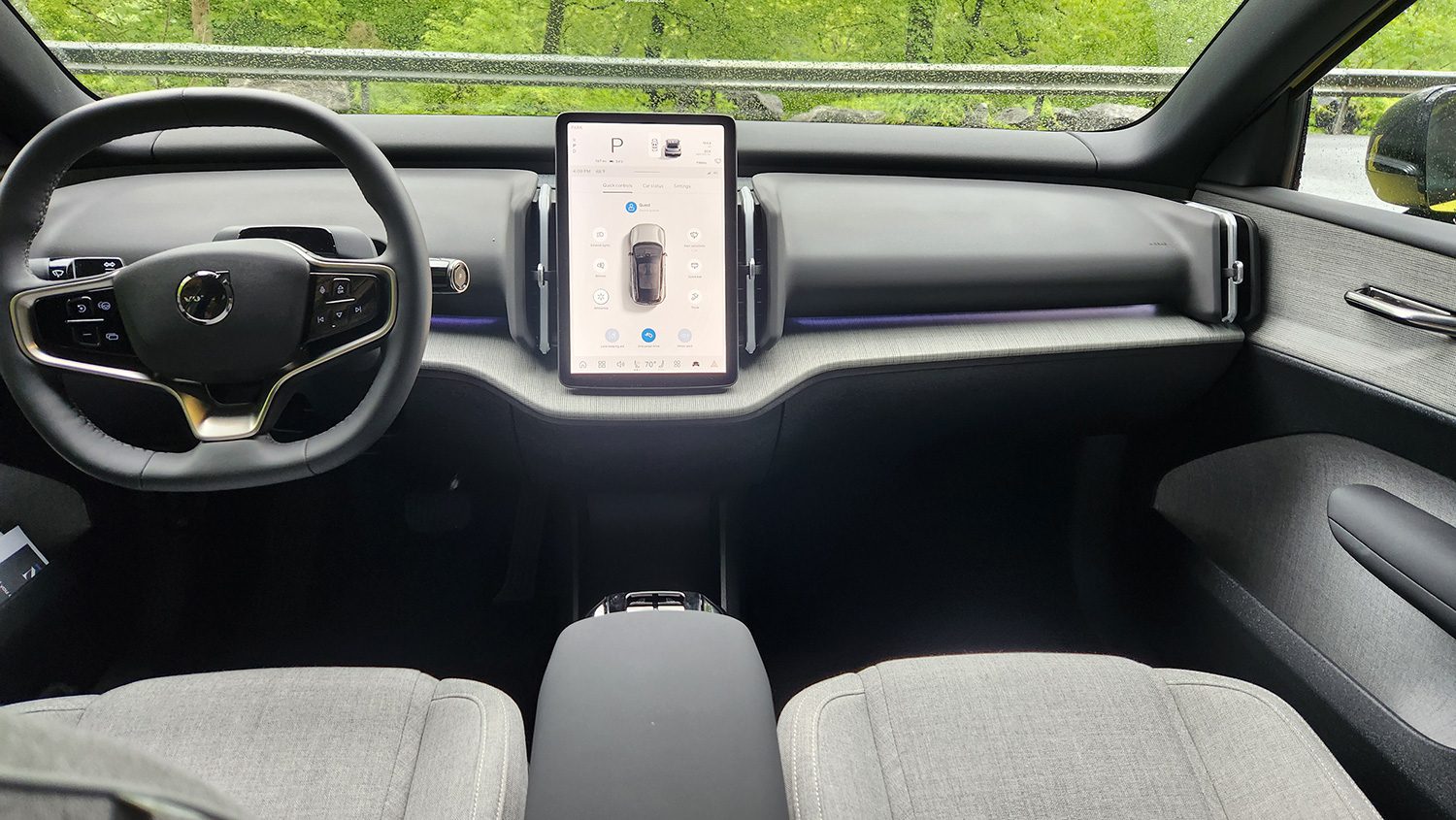
As expected, the EX30’s regenerative braking is weaker with one motor than with two. But it’s easily learnable, once drivers train themselves to remember that it quits at about 7 mph, after which idle creep takes over (this can be turned off). Changing any of the drive settings should only be done at rest, since it requires five separate screen interactions: Tap the Car icon, choose Settings, choose Driving, scroll down to see all options, then choose your preferred setting.
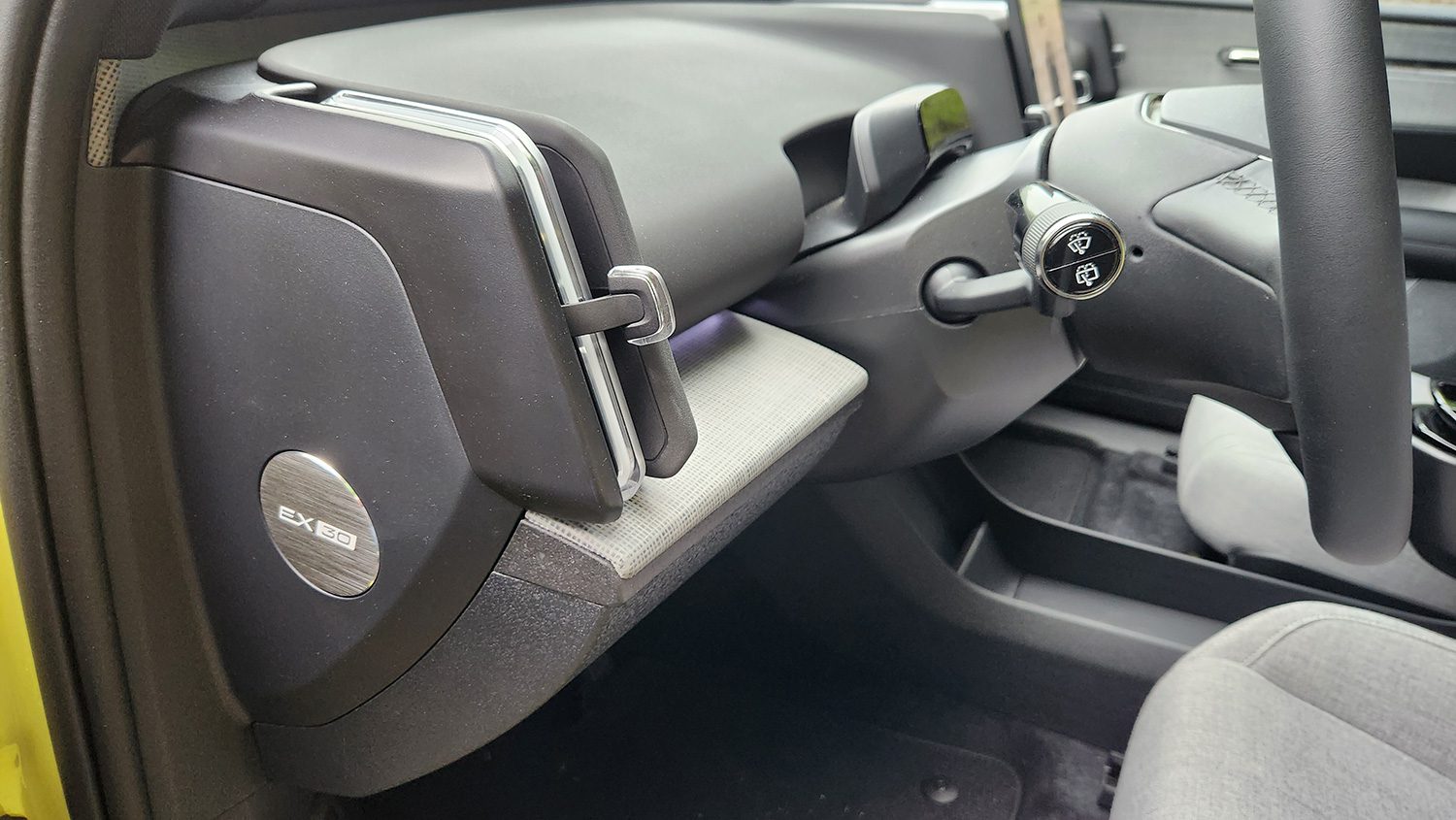
This least expensive Volvo retains all the quirks of the EX30 whose launch I covered in June 2023. Once I’d driven that car in Barcelona that November, I grumbled about the Volkswagen-style electric window switches (just two—you have to use another button to toggle between front and rear window controls) and the fussy key-card placement at the front of the floor console that’s required to power up the car.
The door-mirror controls feel coarse—the switch produced large movements no matter how gently I used it. And there’s no glove box at all, just various bins on the floor and in the doors. If you like to sit high, you’ll be glad of the fixed panoramic glass roof, though no sunshade is built in (Volvo offers one as an accessory). At least the dash vents can be manually adjusted—they don’t require multiple actions on the center screen. Points to Volvo’s safety gurus for that one.
The EX30’s ride is firm even in the Normal suspension setting, which combined with the acceleration makes it inviting to toss around. Overall, to quote my co-driver, the Single Motor version is truly “all the EX30 you need.”
Cross Country: butcher, noisier, less range
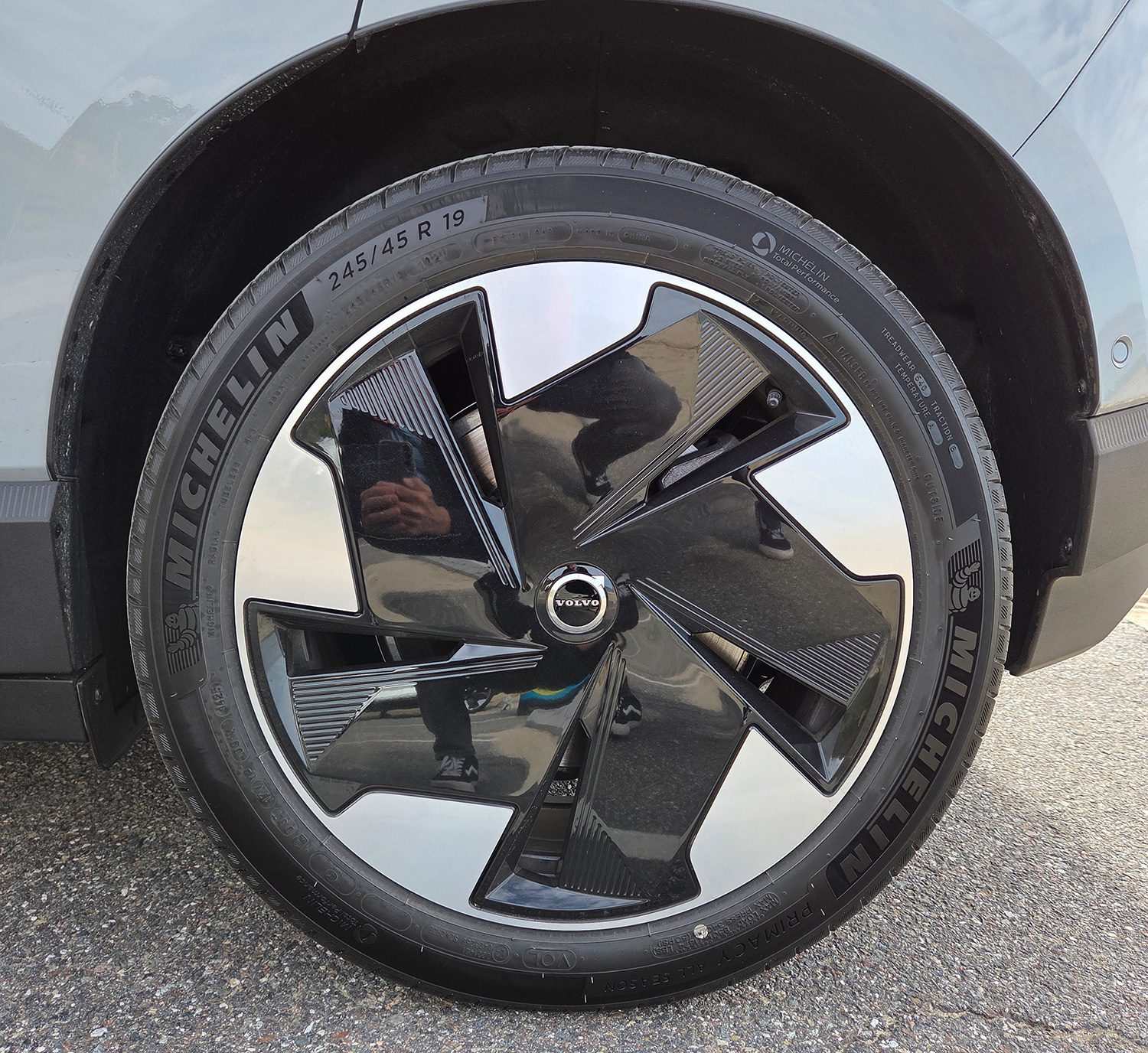
With its front and rear skid plates, special wheels and tires, a revised front bumper shield, plastic wheel-arch extensions, a ride height that’s 0.75 inches (19 mm) taller, and a large, very noticeable accessory roof rack, the Twin Motor Cross Country Ultra model I tested looked every bit the part: a subcompact hatchback with off-road attitude.
The cost of that gear came in both range and noise. The Cross Country model with 19-inch tires is rated at just 227 miles of range—compared to the standard Twin Motor’s 253 miles—though opting for the 18-inch wheels will knock that down to a minimal 203 miles. Then there’s the wind that whistled through the roof rack at speeds over 30 mph or so—it was startlingly noisy.
I didn’t have a standard Twin Motor to drive back-to-back with the Cross Country, but the latter felt considerably heavier than the Single Motor we’d tossed around so enthusiastically. With 422 hp, its acceleration was unquestionably faster. My co-driver said that, for around-town or suburban use, it bordered on “too quick,” which isn’t something you often hear about any subcompact. The stronger regen mode allowed more energetic one-pedal driving too.
Still, it didn’t feel quite as lithe—if that adjective can be applied to any EV that tips the scales starting at 2 tons (3,900 pounds). Overall, the EX30 Cross County looks cool but comes with a range penalty I likely wouldn’t pay. It’s also pricier than a conventional Twin Motor, costing $3,250 more than the less-butch version.
Prospects TBD
Two years ago, Mike Cottone—at that time CEO of Volvo Cars in North America—said the EX30 had attracted “way more pre-orders and hand-raisers than we expected.” He expected, he said, that the littlest Volvo would “add new consumers to the brand, [since] 80 percent of them are new to Volvo.” Execs then said they expected the EX30 to become “one of our higher-volume models,” though they declined to specify sales targets.
Volvo sold 5,409 EX30s in the US in 2025, largely in the fourth quarter. That was more than the much pricier EX90 large electric SUV. But, battery-electric vehicles overall represented just 8.5 percent of Volvo’s overall sales of 121,600—plug-in hybrid share plummeted as well. Full-year sales in 2026 will be the crucial test for the EX30. Can it significantly expand Volvo’s US volume? We’ll find out.
After mulling it over, if I had to pick an EX30, I’d go for the Single Motor, perhaps with the nicer Ultra trim. As long, that is, as I knew I never, ever had to put an adult human being in the rear. If you want a subcompact EV, either the Nissan Leaf or the 2027 Chevrolet Bolt will be far better on that score. Sure, they’re hardly Volvos, and nowhere near luxury brands. It all depends on your personal tradeoffs between brand value and functionality. Choice is good, right?
Volvo North America provided airfare, lodging and meals to enable Charged to bring you this first-person drive report.
Most experts agree that frequent DC fast charging can shorten EV battery life, but detailed data about the phenomenon is scarce. How often can one use DC fast chargers before one sees increased degradation, and how do different charging speeds, climates and use conditions affect battery life?
Connected vehicle specialist Geotab has added some data to the conversation with an updated EV battery health study.
The company analyzed real-world battery health data from more than 22,700 EVs across 21 makes and models, drawing on several years of telematics information. The updated analysis shows an average annual battery degradation rate of 2.3%, compared to 1.8% in Geotab’s 2024 findings.
The increase reflects changes in how EVs are being used, notably a growing reliance on high-power DC fast charging.
“EV battery health remains strong, even as vehicles are charged faster and deployed more intensively,” said Charlotte Argue, Senior Manager, Sustainable Mobility at Geotab. “Our latest data shows that batteries are still lasting well beyond the replacement cycles most fleets plan for. What has changed is that charging behavior now plays a much bigger role in how quickly batteries age, giving operators an opportunity to manage long-term risk through smart charging strategies.”
The analysis found that charging power is the strongest operational influence on EV battery health. Vehicles that relied heavily on DC fast charging at speeds above 100 kW experienced faster degradation, averaging up to 3.0% per year, compared with around 1.5% for vehicles that primarily used AC or lower-power DC charging.
Geotab’s researchers split the vehicles into two groups based on how often they used DCFC as a portion of all charging sessions (AC and DC). They found that vehicles that used DCFC for less than 12% of total charging sessions experienced an average annual degradation of 1.5%, whereas vehicles that exceeded 12% DCFC usage saw average annual degradation of 2.5%.
High-power DC fast charging (over 100 kW) was found to be the single largest battery stressor, leading to degradation rates up to 3.0% per year, compared to 1.5% per year for EVs that charged at less than 100 kW.
“For fleets, the focus should be balance,” says Argue. “Using the lowest charging power that still meets operational needs can make a measurable difference to long-term battery health without limiting vehicle availability.”
Climate showed a smaller independent effect. Vehicles operating in hotter regions degraded around 0.4% faster per year than those in mild climates.
The data also challenges the need for strict day-to-day charging constraints. Vehicles that regularly used a wider state-of-charge range did not show meaningfully higher degradation unless they habitually spent prolonged periods near full or near empty charge levels.
Geotab’s data shows that while degradation rates vary by model, charging behavior, and usage patterns, the majority of modern EV batteries remain fit for purpose well beyond typical ownership and fleet replacement timelines.
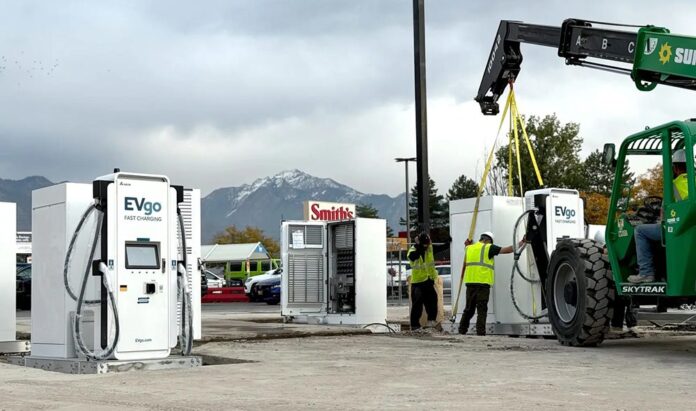
EV charging provider EVgo has committed to a massive deployment of EV charging sites at Kroger Family of Stores locations across the US. The company plans to build at least 150 fast charging stalls per year through 2035 at the company’s sites, which operate under various brands, including Kroger Foods, Fred Meyer, Fry’s Food Stores, Harris Teeter, King Soopers and Smith’s Food and Drug.
Each of the sites will include up to 16 DC fast charging stalls, featuring high-power EVgo chargers that can deliver a full charge in as little as 15 minutes—an ideal fit for grocery locations where shoppers tend to spend less than an hour.
The first charging site of the expanded program is now operational in Salt Lake City. Additional deployments are slated for Arizona, California, Florida, Georgia, Texas, Washington and other states.
EVgo’s current network includes over 4,600 stalls in the US, and the company expects to energize more than 15,000 by the end of 2029.
“Kroger is the grocery destination of choice for millions of Americans,” said Badar Khan, CEO of EVgo. “Adding fast charging to Kroger locations will provide the growing number of EV drivers an essential amenity—the convenience of charging where they shop.”
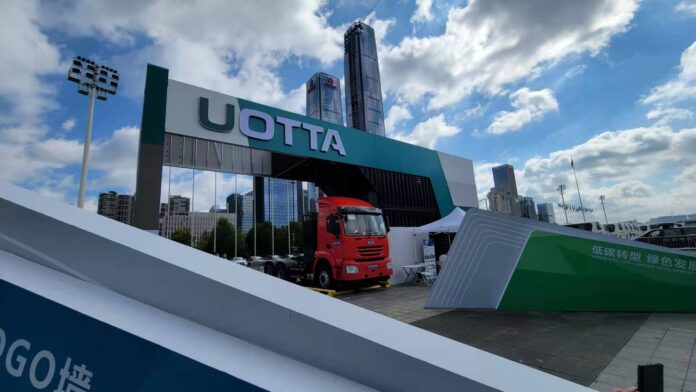
Chinese battery swapping technology firm U Power has entered a strategic partnership agreement with Whale Logistics in Thailand through its U SWAP subsidiary to promote the deployment of commercial battery-swapping electric trucks in Thailand.
Whale Logistics is an integrated logistics service provider offering warehousing, yard operations and end-to-end logistics solutions. It has ordered 1,000 battery-swapping trucks from U Power, starting with 30 units to be delivered in April 2026.
The order is part of U Power’s move into commercial operations in Thailand and its long-term growth strategy for the deployment of battery-swapping commercial trucks in southeast Asia. Through the collaboration, U Power aims to establish a repeatable commercial model to accelerate the adoption of its smart battery-swapping solutions in additional markets.
“We are committed to building a comprehensive battery-swapping electric vehicle ecosystem for commercial transportation, and this partnership marks a significant step forward to expanding our existence in the ASEAN market,” said Johnny Lee, U Power’s CEO.
Albany Graphite, a subsidiary of Canadian intellectual property (IP) development and commercialization company Zentek, has reported near-theoretical anode performance in independent lithium-ion battery testing using its ultra-high-purity graphite.
In four industry-standard coin cell tests, Albany’s carbon-coated, spheroidized graphite delivered an average reversible capacity of approximately 367 mAh/g, just 1.3% below the theoretical maximum for natural graphite of 372 mAh/g, Zentek said.
The material demonstrated stable performance over approximately 110 cycles as a conductive additive and 110-120 cycles as the main anode active material. There were no cell failures and irreversible capacity loss was between approximately 7.0% and 8.3%. Average capacity retention was above 94% versus the Li/Li⁺ counter electrode, indicating that the graphite can withstand repeated charging with limited degradation, which is an important requirement for commercial battery production.
Rejects from the high-purity spheroidization process were blended 50/50 with NMC622 cathode active material as a conductive additive, enabling nearly full use of the graphite produced. Using this by-product increases material yield, supporting more cost-efficient and sustainable production of battery-grade graphite.
All tests were conducted at a C10 charge-discharge rate and at electrode loadings near 10 mg/cm², which are commonly used in evaluating graphite anode materials, Zentek said.
Running at these conditions helps ensure that the results are relevant to commercial cell designs and provides partners and investors with a realistic indication of how Albany graphite may perform when scaled up.
The results indicate that Albany’s graphite has the potential to serve as a natural graphite anode material for lithium-ion batteries, supporting Zentek’s strategy to build a value-added position in the North American battery supply chain.
The Albany Graphite Project is an igneous-hosted, fluid-derived graphite deposit in Ontario at an advanced exploration stage. The company received a grant of $500,000 from the Ontario Government’s Critical Minerals Innovation Fund (CMIF) for the project last year.
Preliminary coin cell cycling tests suggest that unoptimized Albany anode material could potentially deliver the benefits of the long-term stability of synthetic graphite, while maintaining the near-theoretical capacity available from a natural graphite.
“Achieving near-theoretical performance under industry-standard conditions is a testament to the quality of the Albany material. These results strengthen our value proposition for battery manufacturers seeking high-performance, sustainable graphite solutions,” said Mohammed (Moe) Jiwan, CEO of Zentek.
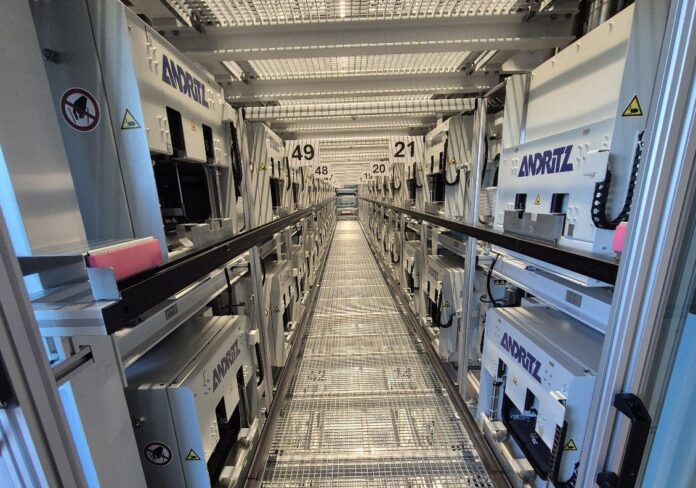
ANDRITZ Schuler’s 1.5-gigawatt battery cell mass formation line for cylindrical booster cells has gone into operation for a “renowned German premium car manufacturer.”
Formation is the final step in battery cell manufacturing. After electrode production and cell assembly, the formation process activates cell chemistry through controlled charging and discharging, during which the electrolyte reacts with the anode to create a stable solid electrolyte interphase (SEI) layer that protects the electrodes and enables efficient ion transport. This step is crucial for activating the battery, calibrating its capacity, and ensuring long-term performance, safety, and cycle life by minimizing irreversible capacity loss.
ANDRITZ Schuler says the line is powered by technology from ANDRITZ Sovema, which it notes was acquired by ANDRITZ Schuler. The formation line includes more than 50,000 channels, 200 formation chambers, integrated power electronics and a full Track & Trace system. It is also described as fully automated with automated loading and unloading.
ANDRITZ Schuler says the system “collects more than two million data points from the batteries per second.” The line is 22 meters long and 10 meters wide and high, and that it is designed for high energy efficiency with an “intelligent service and maintenance concept.”
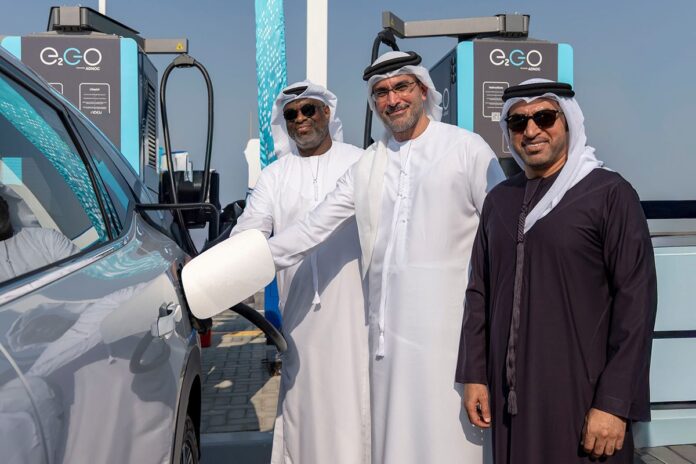
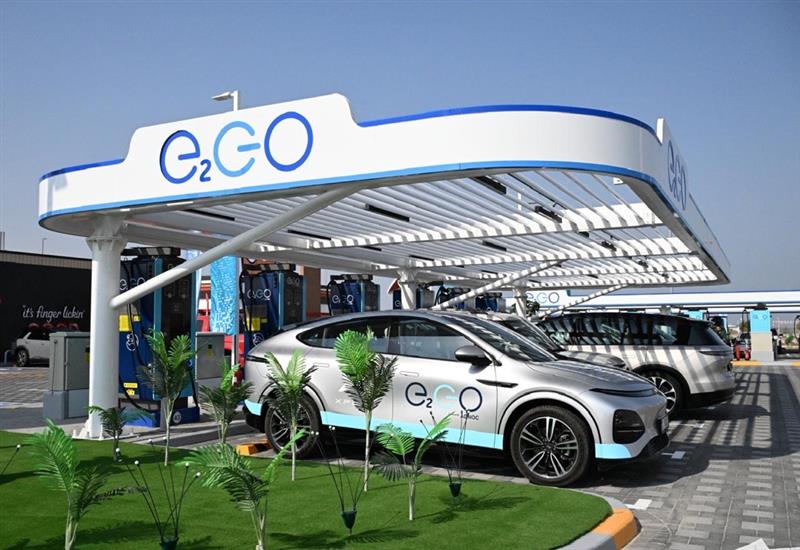
ADNOC Distribution, a gas station and convenience store chain in the United Arab Emirates, has opened a large new EV charging hub, and unveiled a roadmap to electrify the UAE highway network by the end of 2027.
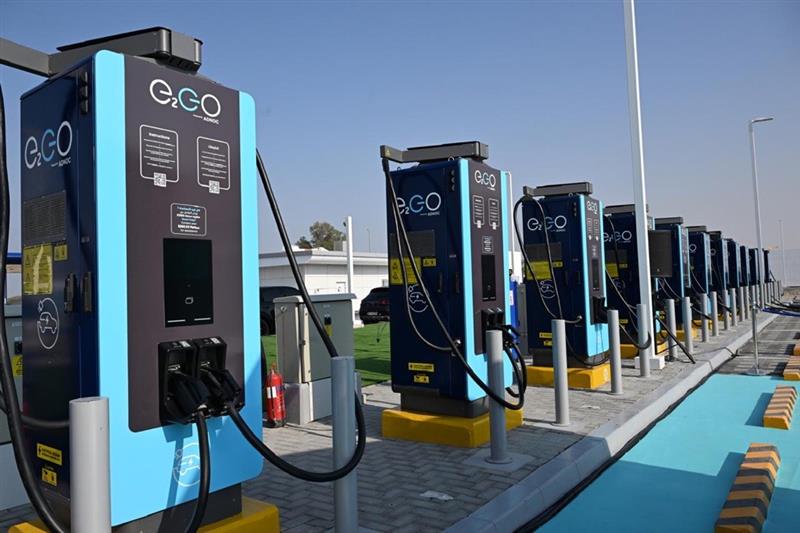
Strategically located at Saih Shuaib on the E11 highway between Abu Dhabi and Dubai, the new EV Mega hub features 60 high-speed EV charging points, and is specifically designed to meet the needs of commuters traveling between the UAE’s two largest cities. It has a footprint three times larger than the company’s traditional service stations, and includes a convenience store with food and a coworking space.
ADNOC plans to open 15 new EV charging hubs by the end of 2026, and another 5 by the end of 2026, providing comprehensive EV charging services across all core UAE national highways.
ADNOC Distribution operates several hundred gas stations, including 562 in the UAE, 172 in Saudi Arabia and 243 in Egypt. It has nearly 370 EV charging points installed under the E2GO brand in the UAE.
“The inauguration of ADNOC Distribution’s EV Megahub is a significant step in implementing the UAE’s National Electric Vehicles Policy,” said H.E. Eng. Sharif Al Olama, Undersecretary for Energy and Petroleum Affairs at the Ministry of Energy and Infrastructure. “This hub stands out for its strategic location on the E11 highway, one of the country’s most vital corridors. Expanding the high-speed charging network is central to our strategy to cut energy consumption in transport and drive the Global EV Market initiative, which aims to see electric vehicles represent 50% of all cars on UAE roads by 2050.”
Electric vehicles have taken the automotive industry by storm as the United States aims to lower transportation emissions. However, while these efficient vehicles utilize cutting-edge technologies and deliver impressive results, some components remain prone to vibration failure.
1 Fasteners
High-frequency vibrations from EV motors can result in standard fasteners loosening, which may cause significant malfunctions in battery modules and powertrains or result in complete system failure. In a worst-case scenario where the fasteners detach, drivers may find themselves in a serious car accident.
The use of high-quality materials when manufacturing fasteners, combined with proper installation and vibration testing, is crucial to ensuring reliability and safety.
2 Battery Pack and Housing
The battery pack is the heart of an EV, but it is a particularly heavy component that is susceptible to vibrational damage. Vibrations can impact the battery’s internal cells, reducing its lifespan and performance, or even cause short-circuiting and fires. The electrical connections may also loosen or crack, causing intermittent power loss.
The good news is that battery failure rates were only 0.1% in 2023, equivalent to one in every 1,000 EVs. However, the industry must decide whether to further enhance these mechanisms by 2030.
3 Electric Motor
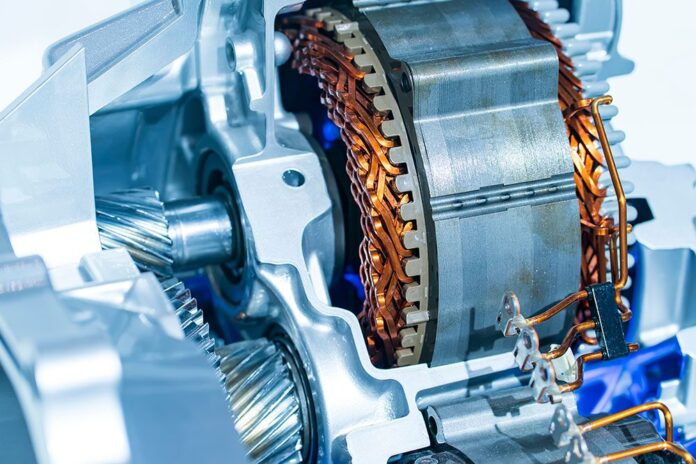
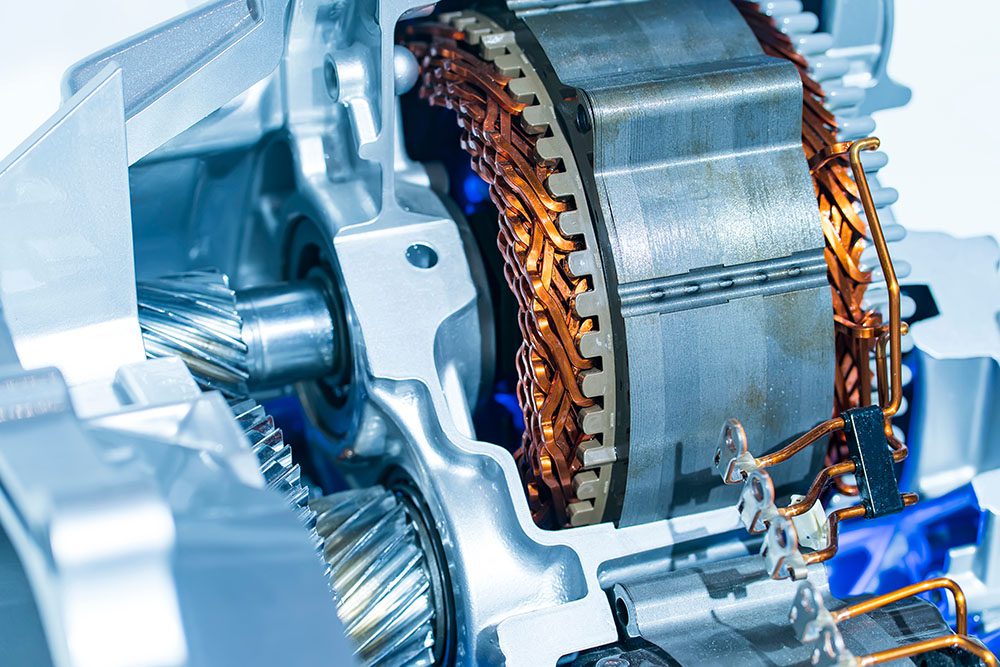
High torque and rapid fluctuations in electric motors can create intense vibrations, resulting in wear on the motors’ rotor systems, sensor malfunctions and damage to the copper windings.
According to one study, bearing defects have approximately a 40% failure rate and are the most common issue and direct result of mechanical stress and vibration. A 28% to 36% failure rate in stators also results in reduced efficiency and accelerated degradation of insulating materials.
4 Suspension System
Kevin Heaslip, professor and director of the University of Tennessee’s Center for Transportation Research, says that EVs are 30% heavier than gas-powered cars due to the weight of their batteries.
The additional weight can induce more stress on the suspension system, resulting in an uncomfortable ride in the passenger cabin and premature wear on bushings and shocks. This could lead to loss of control of the EV and an increased risk of collisions.
5 Power Electronics
The power electronics controls, which direct the electric flow from the traction battery, are essential for regulating the speed and torque of the electric traction motor.
Vibration may loosen or damage the connections to the circuit boards, causing minor glitches or total power loss. A loose power connection may induce arcing, which generates a significant amount of heat and increases the risk of fire.
What Are the Best Vibration Testing Equipment Suppliers in the US?
The best vibration testing equipment suppliers in the .S can ensure your EV component functions with the utmost performance, reliability and safety. The following suppliers are worth considering.
Team Corporation
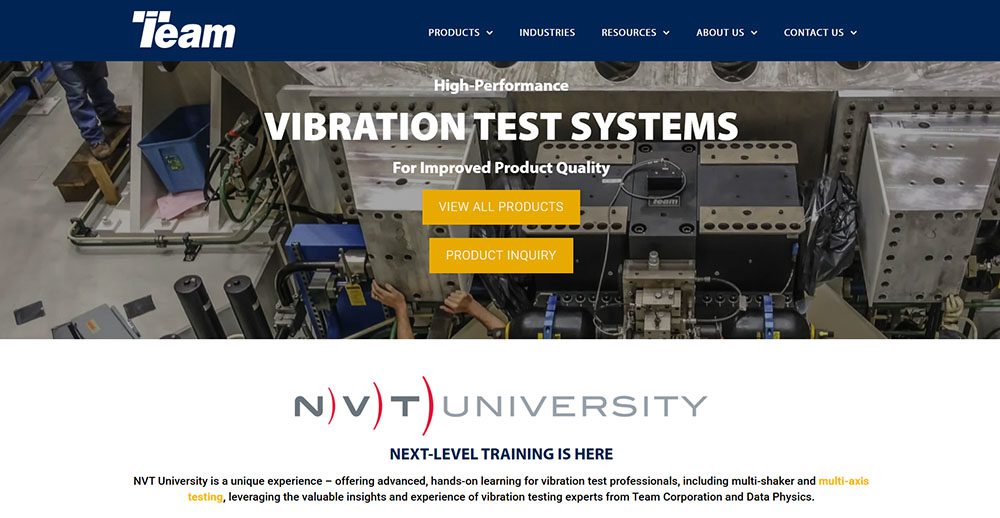
Team Corporation manufactures high-performance vibration test systems for the automotive industry. Among its offerings are high-frequency hydraulic systems of vertical, horizontal and advanced multi-axis testing, as well as rotary and acoustic sound generation.
These tests are designed to ensure durability, safety compliance, quality assurance, and readiness for both pre- and postproduction. Through its partnership with Data Physics, Team Corporation also offers hands-on professional training that covers complex testing topics.
Key Features
Expertise in robust hydraulic systems, which is ideal for heavy EV components
Specialize in multi-axis systems with advanced, realistic simulations
Adheres to high reliability and safety standards for EV parts
Customized vibration test solutions and fixtures for unique EV architectures
ETS Solutions
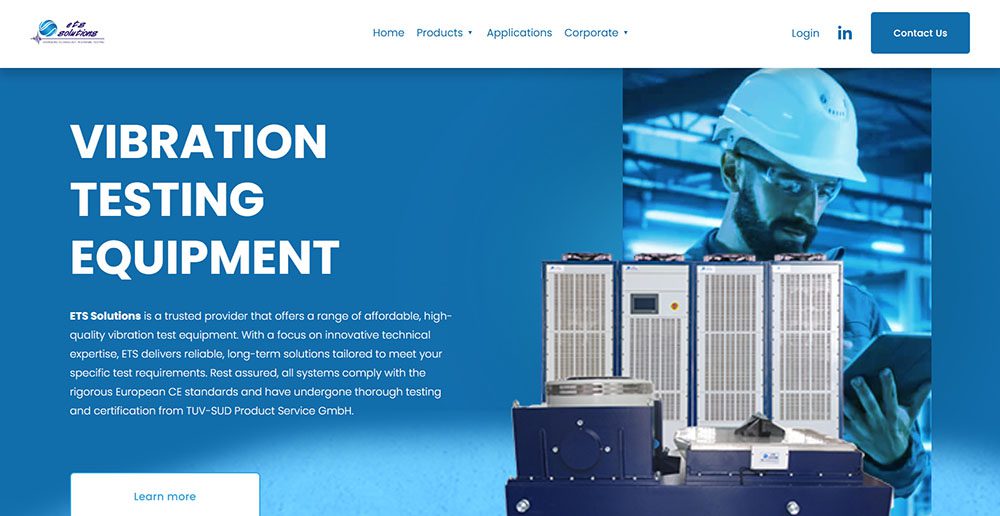
ETS Solutions is another qualified supplier of vibration testing equipment that tailors its turnkey systems to meet your specific needs. All of its equipment meets requirements set by the International Safe Transit Association, ASTM International, International Organization for Standardization (ISO) and military standards of the U.S. Department of Defense.
Whether you need electrodynamic shakers and exciters or vibration control software and hardware equipment, ETS Solutions can supply the necessary mechanisms and accessories.
Key Features
Delivers complete turnkey testing packages
Offers high-payload and custom fixturing solutions for heavy EV components
Proven automotive and EV battery experience
Emphasizes total system integration for EV testing protocols
CentraTEQ
CentraTEQ delivers highly specialized vibration testing solutions for the automotive industry. The systems simulate the vehicle’s life cycle of stress, shock and real-world conditions to guarantee reliability and safety.
The solutions check can evaluate durability, vibration and harshness, electronics and sensors, autonomous driving systems and combined environmental testing. You can also adapt its equipment to meet your specific requirements, including those of SAE International and ISO standards.
Key Features
Supplies wide-ranging simulation testing equipment with EV capabilities
Offers flexibility in sourcing testing components from various suppliers
Specializes in integrated systems
Manages the entire life cycle of a project
Choosing the Best Vibration Testing Equipment Suppliers for EVs
Any company in the EV space must choose the best vibration testing equipment suppliers in the U.S. to ensure components can withstand real-world vibrations, meet strict compliance requirements and retain brand reputation in a competitive market. The following criteria are key to finding and fostering an ideal, long-term partnership.
Technical Capabilities
Equipment must be capable of replicating high vibrational profiles found in EVs, including their shaker performance, controllers and software, and system integrations.
Experience
Work with a vendor that has specific EV expertise and knowledge, including key industry standards, battery testing experience and fixturing for heavy EV components.
Reliability
Before entering a business partnership with a vibration testing supplier, understand its market reputation and longevity, whether the company is financially stable for long-term service and support, and if it operates globally.
Support
Ensure the supplier provides comprehensive installation and training for your engineers and technicians. Also, inquire about after-sales support, including calibration, maintenance services and other testing challenges.
Cost
Compare the initial costs of the equipment versus the total cost of ownership. Factor in energy consumption, maintenance and spare parts costs over their lifespan, and facility needs. Additionally, inquire about the warranty terms and coverage.
Ensuring Reliability from Component to Vehicle
Partnering with a reliable supplier of EV vibration testing equipment is crucial for manufacturing and distributing durable, safe transportation solutions. You must work with the best if you hope to remain competitive in a rapidly saturating market.
UK-based startup Materia AI has secured UK government grant funding to develop its ReGenTrace AI platform to support the recycling and reintegration of spent EV batteries into the circular economy.
ReGenTrace AI is a cloud-native platform that combines machine learning, predictive modelling and blockchain traceability to turn battery recycling into a data-driven, automated and fully traceable process, according to the company.
Materia AI aims to help industry participants across the battery value chain reduce costs, maximize material recovery and ensure compliance with ESG regulations from logistics and dismantling through to materials discovery and lifecycle assessment.
The ReGenTrace AI platform will integrate a suite of AI modules, including optimization of end-of-life battery collection and logistics through AI control towers, real-time material identification using computer vision and edge AI, prediction of black mass composition and discovery and optimization of battery materials and manufacturing pathways.
The platform also incorporates blockchain-based traceability to capture battery and material sourcing across the lifecycle and forecasting of materials pricing, demand for recycled content and supply-demand imbalances.
The first ReGenTrace AI modules will go live by the end of March and will be validated through a live deployment at an unnamed UK battery recycler.
“AI models will identify battery material types and predict waste composition, enabling forecasting of elemental composition and impurity profiles,” Materia AI stated. “This will allow feedstocks to be dynamically routed to optimal processing pathways and process conditions to be tuned to maximize lithium, nickel and cobalt recovery.”
The company secured the grant funding through Innovate UK’s Early Stage Growth Catalyst competition, which aims to support the development of startups that have high potential across five of the government’s priority technologies, including AI.