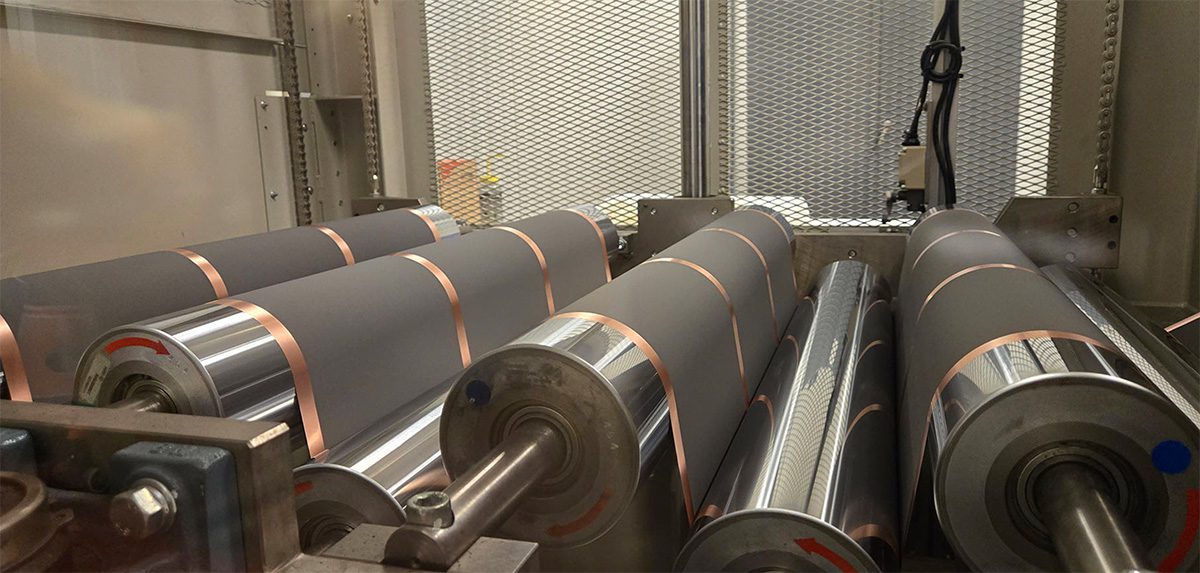
US potash producer Intrepid, water and process technology provider Aquatech and French lithium extraction firm Adionics have completed test work to produce battery-grade lithium carbonate from by-product brine at Intrepid’s Wendover, Utah potash facility.
The test results demonstrate the ability to convert Intrepid’s Wendover brine and achieve a lithium extraction rate of 92.9% to produce an overall lithium chloride purity above 99.5%.
Aquatech further processed lithium produced at Adionics’ facility to validate the conversion and refining to battery-grade lithium carbonate. In additional testing, Aquatech converted the lithium-rich brine to a ≥99.5% lithium carbonate product, meeting key specifications for battery manufacturing.
Following the testing results, the parties will continue to move forward under their joint development agreement to evaluate the construction of a lithium facility in Wendover.
The companies have agreed to complete comprehensive feasibility studies and detailed engineering of a 5,000 metric tonne lithium extraction facility and plan to reach a final investment decision in 2026. They also intend to advance project design and development of the project and negotiate definitive agreements to enable construction and operation of the proposed project.
The lithium processing facility is expected to use some of Intrepid’s existing infrastructure in Wendover, Aquatech’s expertise to design, develop and operate the site and Adionics’ direct lithium extraction (DLE) technology to convert Intrepid’s post-process brine to lithium carbonate.
“Advancements in direct lithium extraction (DLE) technologies have come at the perfect time, as the United States has reprioritized increasing its production of critical minerals,” said Kevin Crutchfield, Intrepid’s CEO. “We believe the existing infrastructure at our Wendover potash operation and the presence of lithium in our post-process brine differentiates this opportunity from other lithium development projects and we’re hopeful our Wendover lithium project will be among the first domestic projects to enter the market.”
“We are excited about this project for many reasons, including the advantage we have by working with Intrepid to be able to access brine from Intrepid’s existing potash production site. Coupled with the naturally high lithium concentration in the resource, we expect our integrated flowsheet will operate at an attractive marginal cost, allowing us to produce domestic lithium at a pace and cost point that can compete with global benchmarks,” added Devesh Sharma, CEO of Aquatech.
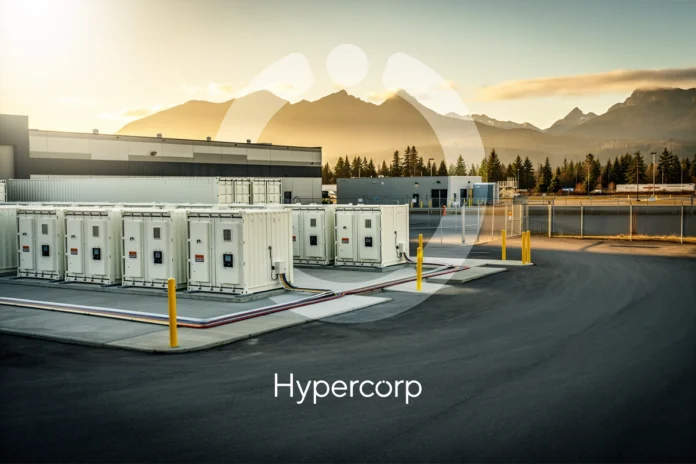
Canadian EV charging solutions provider and network operator Hypercharge Networks has launched Hypercorp Energy Solutions, a new energy services initiative that operates alongside Hypercharge Networks and expands its focus beyond EV charging into battery energy storage.
The company is developing Hypercorp as an advanced energy platform designed to help commercial, fleet and multi-family property owners generate and store energy, as well as optimize its delivery.
The initiative brings together battery energy storage systems, energy management software and professional services into a single, integrated offering intended to support electrification at constrained sites, Hypercharge said.
The initial launch will focus on Hypercharge’s established customer base of more than 500 active sites across North America.
By working directly with existing customers, Hypercorp said it aims to deliver bundled energy storage and management solutions tailored to site-specific electrical capacity, utility limitations and operational objectives.
The company is developing Equion Energy Management to enable properties to add EV charging and other high-capacity electrical systems, including heat pumps, without overwhelming their electrical infrastructure. By combining smart controls with real-time site monitoring, Equion allows load to follow what a building can safely deliver and what operators intend to spend on power.
The platform will support participation in demand response and time-of-day pricing programs, including automated demand response (ADR), so that customers can align their infrastructure investments with utility incentives and tariff structures.
Hypercorp will maintain an asset-light model by partnering with BESS and other energy solution providers rather than manufacturing its own equipment. Revenue will be driven by higher-margin software-as-a-service (SaaS) sales, equipment financing, professional services and future energy arbitrage opportunities, the company said.
“As electricity demand is forecast to significantly increase across every region, our customers need more than just a plug; they need a resilient energy strategy,” said David Bibby, President and CEO of Hypercharge. “By bundling intelligent storage with our EV charging solutions, we are allowing our clients to grow with confidence while we build a more scalable, recurring revenue base.”
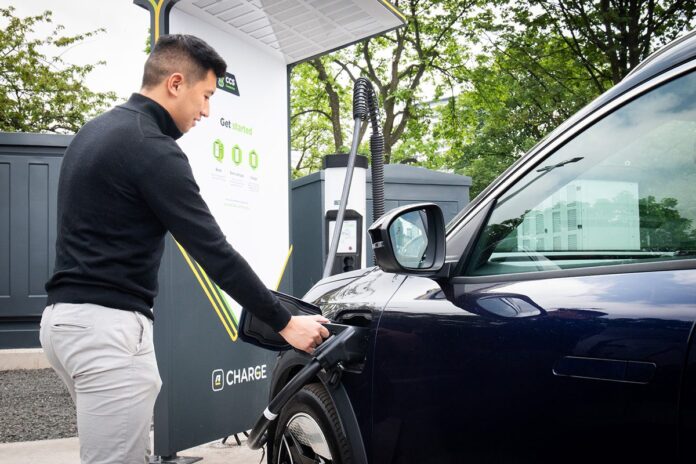
EV charging network Arnold Clark Charge has deployed more than 50 ultra-rapid charging hubs in Scotland.
The network was launched in 2024 as part of a £30-million investment by UK-based family-run car retailer Arnold Clark.
The hubs, located at Arnold Clark branches across the country, are all open to the public. Each hub has up to 12 DC fast chargers, delivering speeds of up to 150 kW.
As part of its rollout, the network is expanding into key locations across the UK to support long-distance EV travel and local communities.
The chargers offer drivers one of the most competitive ultra-rapid charging rates in the market at 55 p per kWh, Arnold Clark said, which is lower than the UK average of 76 p/kWh according to data from Zapmap.
Drivers can pay through the Arnold Clark app, roaming partners or via contactless methods at all charging hubs.
Arnold Clark was founded in 1954, starting as a single-car showroom in Glasgow. It now has 200 branches nationwide and sells more than 200,000 cars each year. In addition to car sales and EV charging, the company also operates parts and servicing departments, accident repair centers and insurance services.
“Our aim is to give drivers quick, reliable and affordable charging wherever they travel,” said Pablo Levi, Group Sustainability Manager at Arnold Clark. “Becoming Scotland’s largest ultra-rapid network in such a short time is a milestone we’re incredibly proud of—and we’re only just getting started. We’ll continue expanding into key locations and listening to customer feedback to deliver the best possible charging experience.”
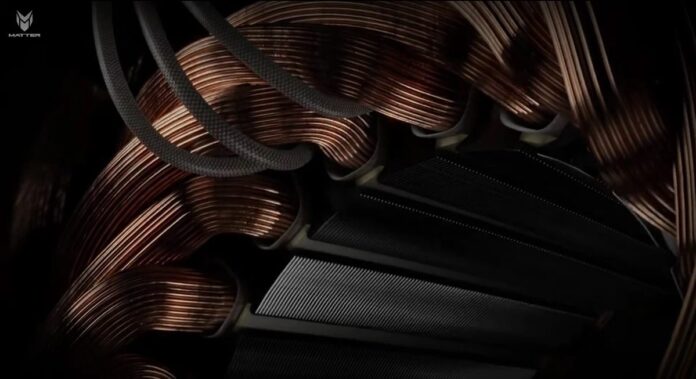
Niron Magnetics has announced a collaboration with MATTER to explore integrating Niron’s Iron Nitride magnet technology and Variable Flux Motor (VFM) designs into MATTER’s high-performance electric motorbike products. The companies unveiled a first prototype at CES 2026.
MATTER says it brings experience in liquid-cooled powertrain design, in-house gearboxes, and intelligent vehicle systems. Niron Magnetics is contributing proprietary Iron Nitride permanent magnets that contain no rare earths, along with VFM motor designs intended for EV applications.
The companies say the collaboration aims to improve torque delivery, efficiency across speed ranges, acceleration and riding range. Unlike conventional electric motors, VFM architectures “eliminate the fundamental trade-off between low-speed torque and high-speed efficiency,” according to Niron, and the benefits set for electric motorcycles are faster acceleration, improved controllability in city conditions, efficient cruising and improved thermal stability.
Niron says it is “scaling the world’s first advanced manufacturing process for the mass production of permanent magnets” based on its Iron Nitride material formulation. MATTER Motor Works was founded in January 2019 in Ahmedabad.
EV manufacturer GreenPower Motor has reached an agreement with the New Mexico Economic Development Department (EDD) to establish operations in Santa Teresa.
The new 135,000-square-foot facility in Santa Teresa will become the company’s base for North American operations and US corporate headquarters. GreenPower anticipates setting up operations at the facility in Q1 of 2026, and plans to take possession of the manufacturing plant in June.
The Santa Teresa Borderplex is a special economic zone centered around a key US-Mexico trade hub with major rail links connecting to ports including Long Beach and Houston.
“Santa Teresa’s designation as a foreign-trade zone offers substantial benefits for GreenPower,” said Fraser Atkinson, CEO of GreenPower. “The FTZ allows us to streamline customs procedures and allows the company to take financial advantage of the designation related to inventory, parts and distribution. The ability to make capital decisions without fear of tariff uncertainties is a game-changer in the current environment.”
GreenPower has its headquarters in Vancouver, Canada, and also has facilities in southern California and West Virginia. It builds medium- and heavy-duty EVs serving the cargo and delivery, shuttle and transit, and school bus markets.
In 2025, GreenPower worked with EDD to launch the state’s first electric school bus pilot project at two Las Vegas public schools and a Santa Fe charter school.
The state has committed $14.6 million in financial incentives for the new manufacturing facility. Of the total, $5 million will be provided through the New Mexico Local Economic Development Act (LEDA) program, which helps local governments support businesses locating in the state. GreenPower will receive $4.6 million in job training incentive funds, $1.36 million through the Rural Jobs Tax Credit, and $3.65 million as part of New Mexico’s High-Wage Jobs Tax Credit program.
GreenPower will offer dealer-level pricing to the state for a lineup of Class 4 commercial EVs, including box trucks, refrigerated trucks, passenger vans, buses, utility trucks and stake-bed trucks for public agencies and commercial operators.
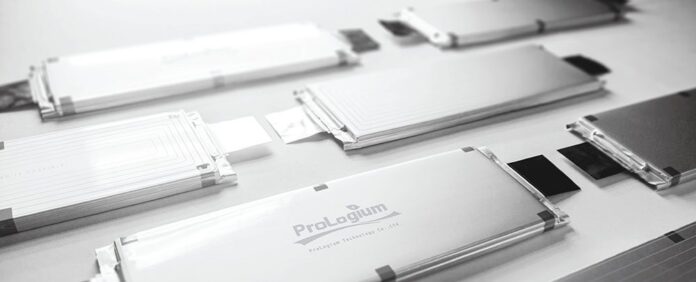
ProLogium Technology, a provider of lithium ceramic battery technology, has collaborated with Japanese utility Kyushu Electric Power and Japanese construction machinery manufacturer Nakayama Iron Works. At the recent CES 2026, the companies jointly showed a 24 V solid-state battery module powered by ProLogium solid-state batteries. The module is planned for integration into two new construction machines—the MSD700 and NE100HBJ.
The new collaboration will form “a complete vertically integrated chain from battery cell to end product.” ProLogium will provide its next-generation solid-state lithium ceramic cells; Kyushu Electric Power will contribute its experience in energy technology and lithium-ion battery monitoring/control to design the battery module; and Nakayama Iron Works will integrate the new module into its construction machinery.
“ProLogium’s next-generation solid-state lithium ceramic battery features a unique super-fluidized all-inorganic solid-state electrolyte, [combined] with an active safety mechanism that is released under high temperature and high voltage to stabilize the active materials of both the cathode and anode,” said Vincent Yang, founder and CEO of ProLogium. “This enables the battery to truly interrupt thermal chain reactions and achieve the ultimate goal of eliminating thermal runaway.”
Nakayama’s MSD700 is a compact electric construction machine designed for narrow environments where large equipment is difficult to operate. It can operate safely indoors or underground severe circumstances without concerns about exhaust gases. The NE100HBJ, part of the DENDOMAN series, is a battery-driven crusher capable of crushing 15-50 tons of rock or concrete per hour.
The DC 24 V battery module incorporates seven ProLogium SN-10 cells, delivering a capacity of up to 111.3 Ah in a compact form factor with high vibration resistance and flexible series/parallel configurations. It supports an operating voltage range of 29.4-17.5 V, and has an energy capacity of up to 2,671 Wh. Compared with existing lithium-ion solutions, the new battery module is expected to extend the MSD700’s operating time from 2 hours to 3.7 hours, while reducing charging time to approximately 27 minutes. For the NE100HBJ, operating time is expected to increase from 8 hours to 10 hours in travel duty and from 4 hours to 10 hours in crushing duty, with charging time should be reduce to 14 minutes.
BASF has reported new durability test results for a glass fiber-reinforced, low-halogen Ultramid polyamide grade aimed at eMobility under-hood components exposed to coolant. EV operating profiles and frequent battery charging processes increase the required service life of plastics in vehicles under the hood to 45,000 to 55,000 hours at operating temperature, compared with 5,000 hours for conventional combustion engines.
BASF says it has adapted established ageing validation approaches from air-heat testing to hydrolysis storage, defined here as ageing in water-glycol mixtures. To predict service life under normal conditions, BASF is using Arrhenius analyses based on the Arrhenius equation, which it describes as relating temperature to reaction rate.
BASF test program started in August 2020 and evaluated a polyamide from its latest generation of materials. BASF says the Ultramid material is characterized by optimized hydrolysis resistance, laser markability, glass fiber reinforcement and low halogen content.
Based on five years of testing, BASF reports that the tested polyamide’s properties can be extrapolated to more than 100,000 hours.
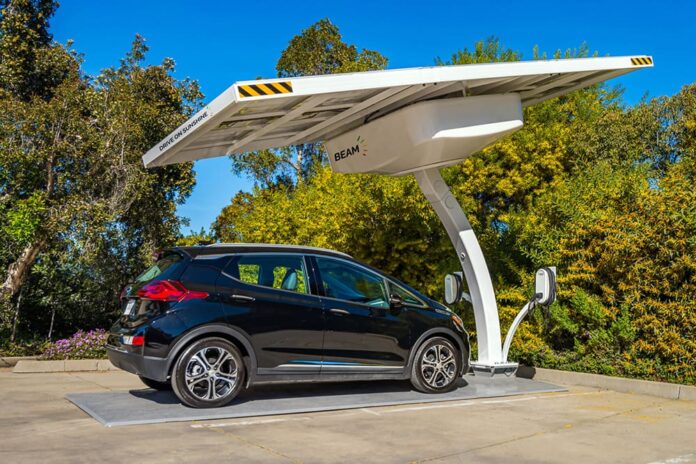
Beam Global makes portable off-grid solar-powered EV charging systems. Some of the company’s most reliable customers are government agencies and municipalities.
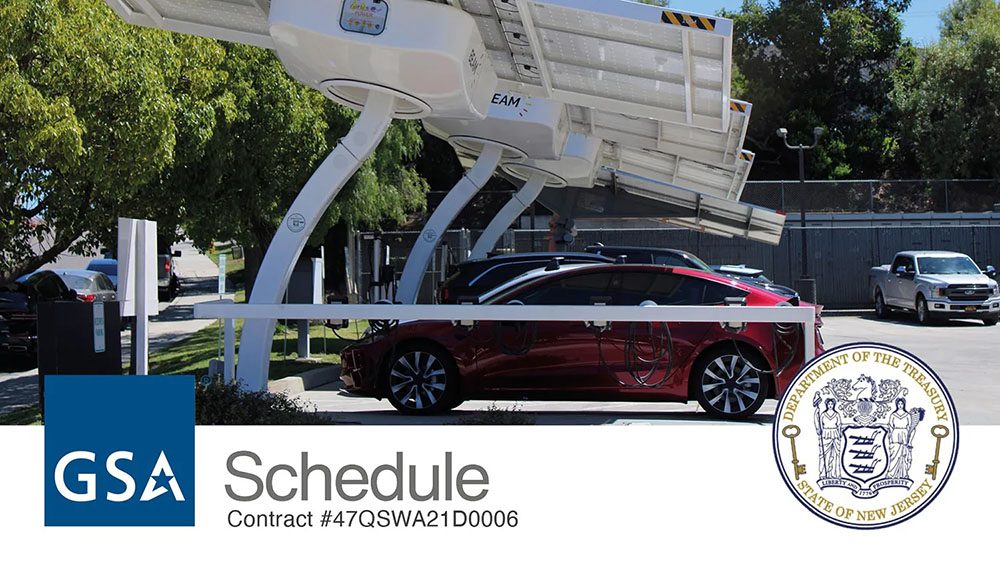
Now the New Jersey Department of the Treasury has purchased multiple EV ARC off-grid EV charging systems through a competitive public bid using Beam Global’s General Services Administration (GSA) Multiple Award Schedule Contract.
This is the third New Jersey state division to deploy EV ARC systems, following prior deployments by the state’s Department of Environmental Protection and Department of Transportation. The systems are being used to support workplace EV charging and energy security for government operations, generating and storing their own renewable electricity with no need for a utility grid connection.
“This is another excellent example of the continued business we are seeing from non-federal government agencies leveraging our GSA contract to procure resilient EV charging and energy security infrastructure quickly and efficiently,” said Desmond Wheatley, CEO of Beam Global. “Our EV ARC systems deliver dependable, off-grid electricity that supports workplace electrification while improving energy resilience and eliminating exposure to utility disruptions.”
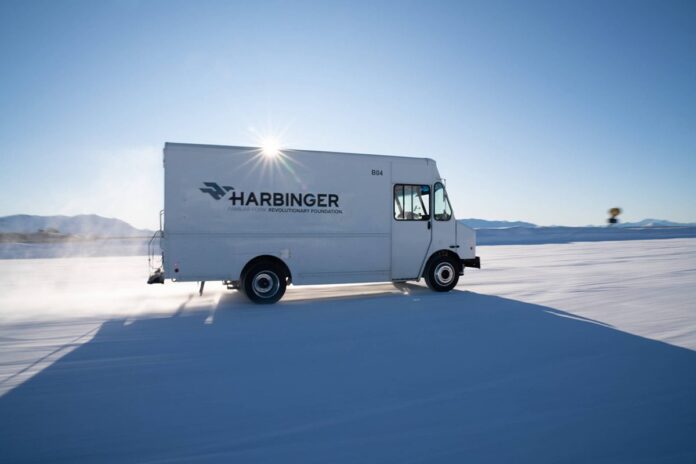
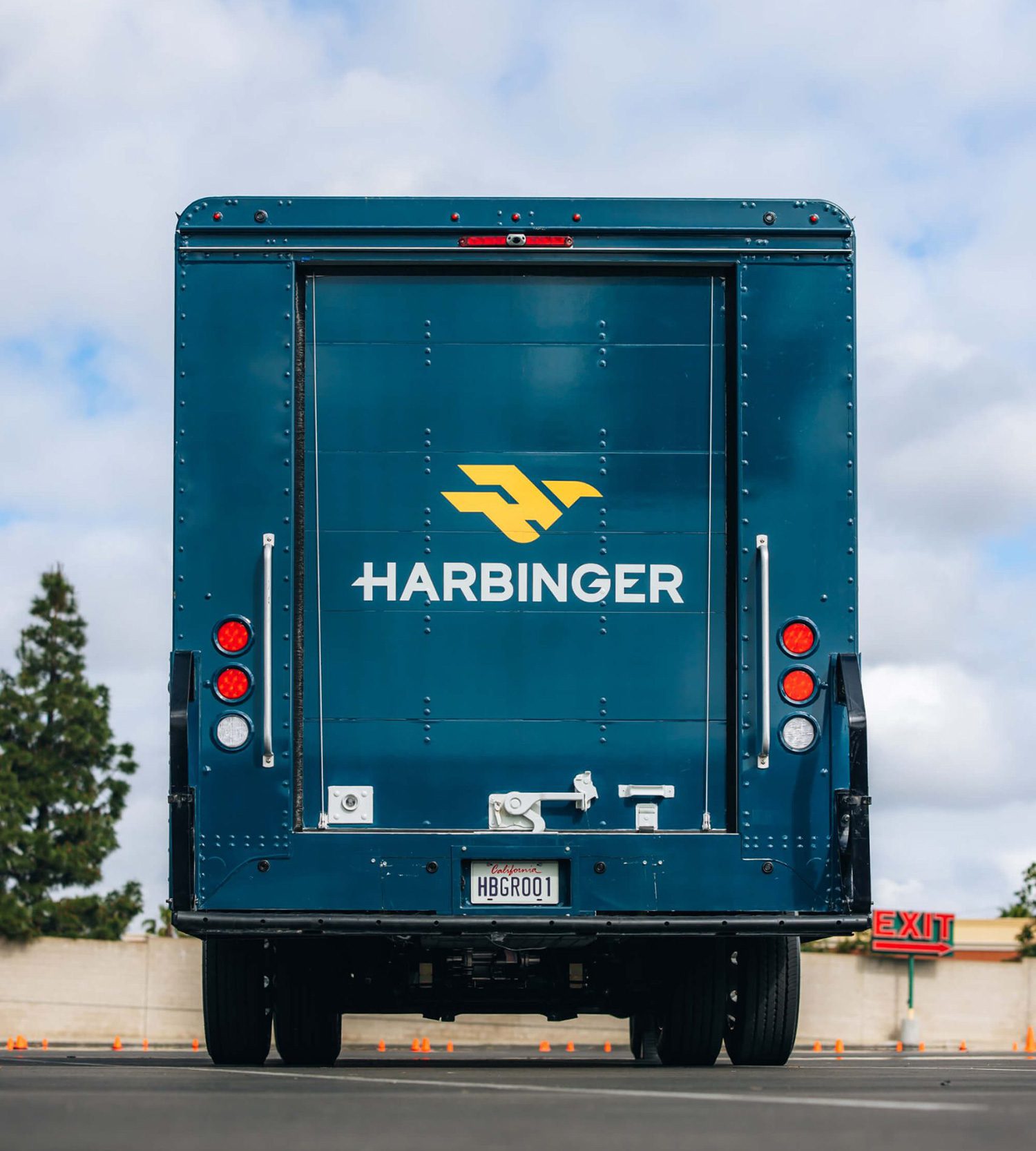
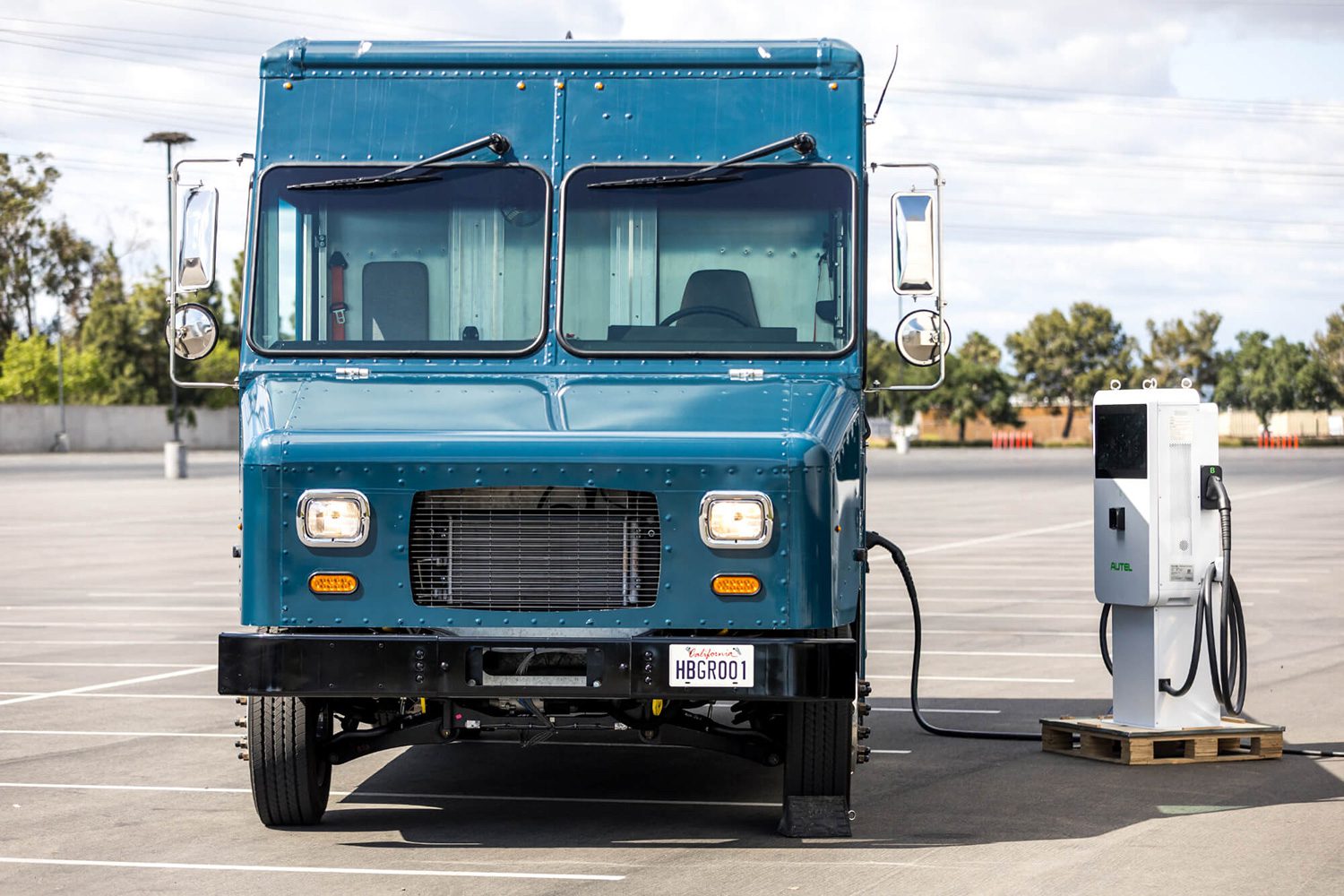
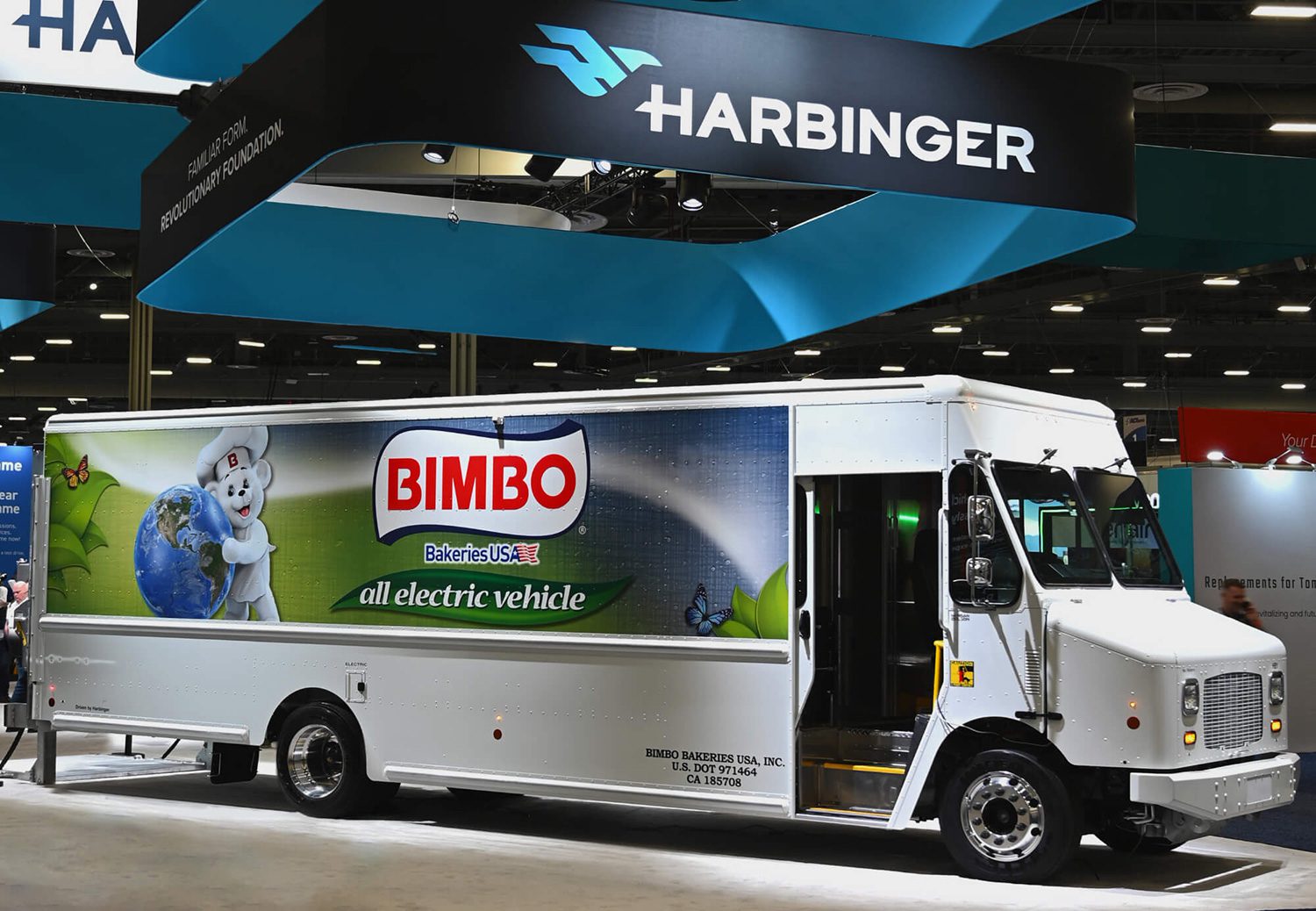
Price parity between EVs and ICE vehicles is widely considered to be a major tipping point for EV adoption. Harbinger Motors claims to have reached that tipping point—at least for the Class 4, 5 and 6 commercial vehicles that the company sells.
Harbinger CEO John Harris tells us that his company is able to sell EVs at such low prices because it owns all the IP associated with its components, and is able to maintain a supply chain only one or two layers deep, minimizing the margins paid to suppliers.
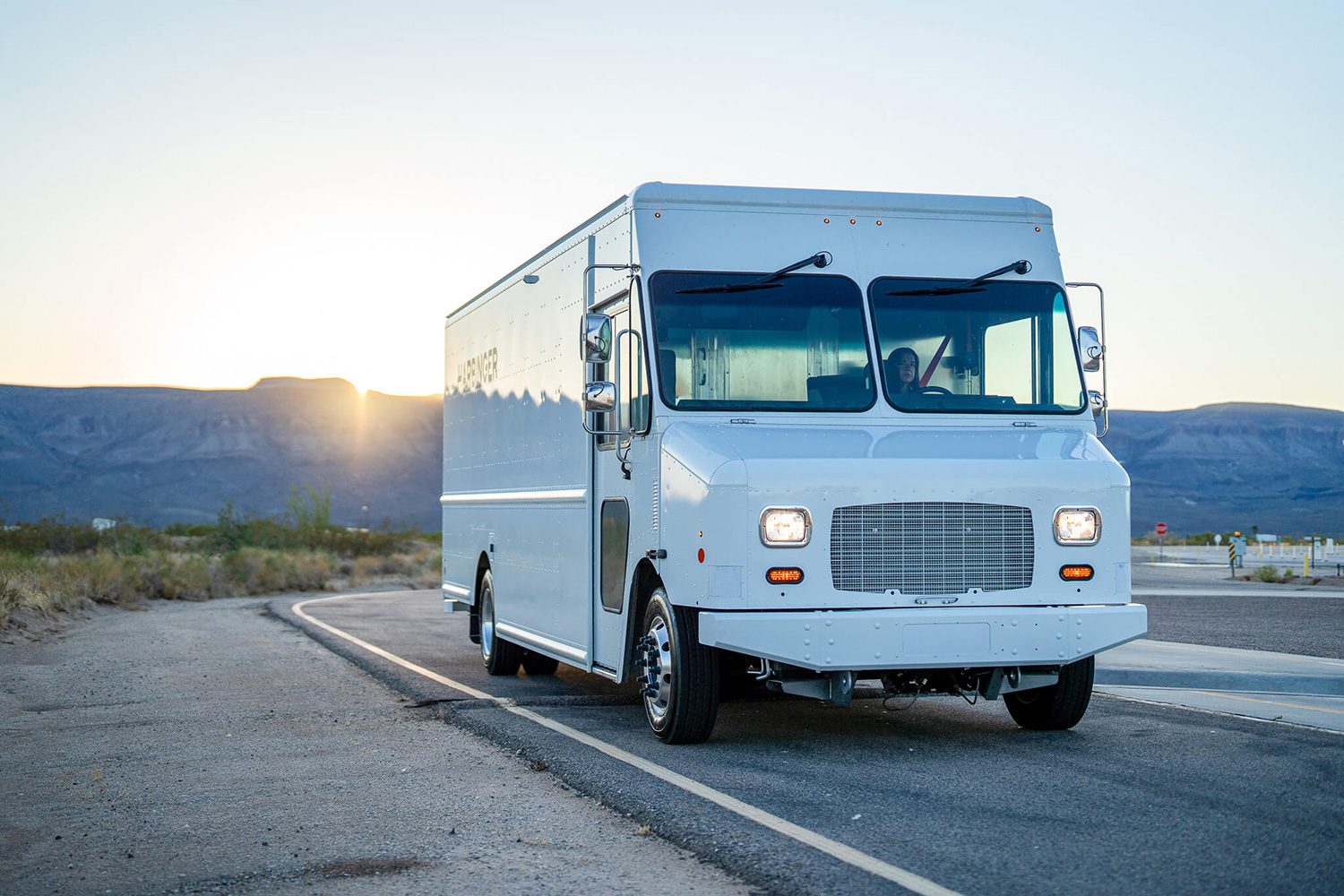
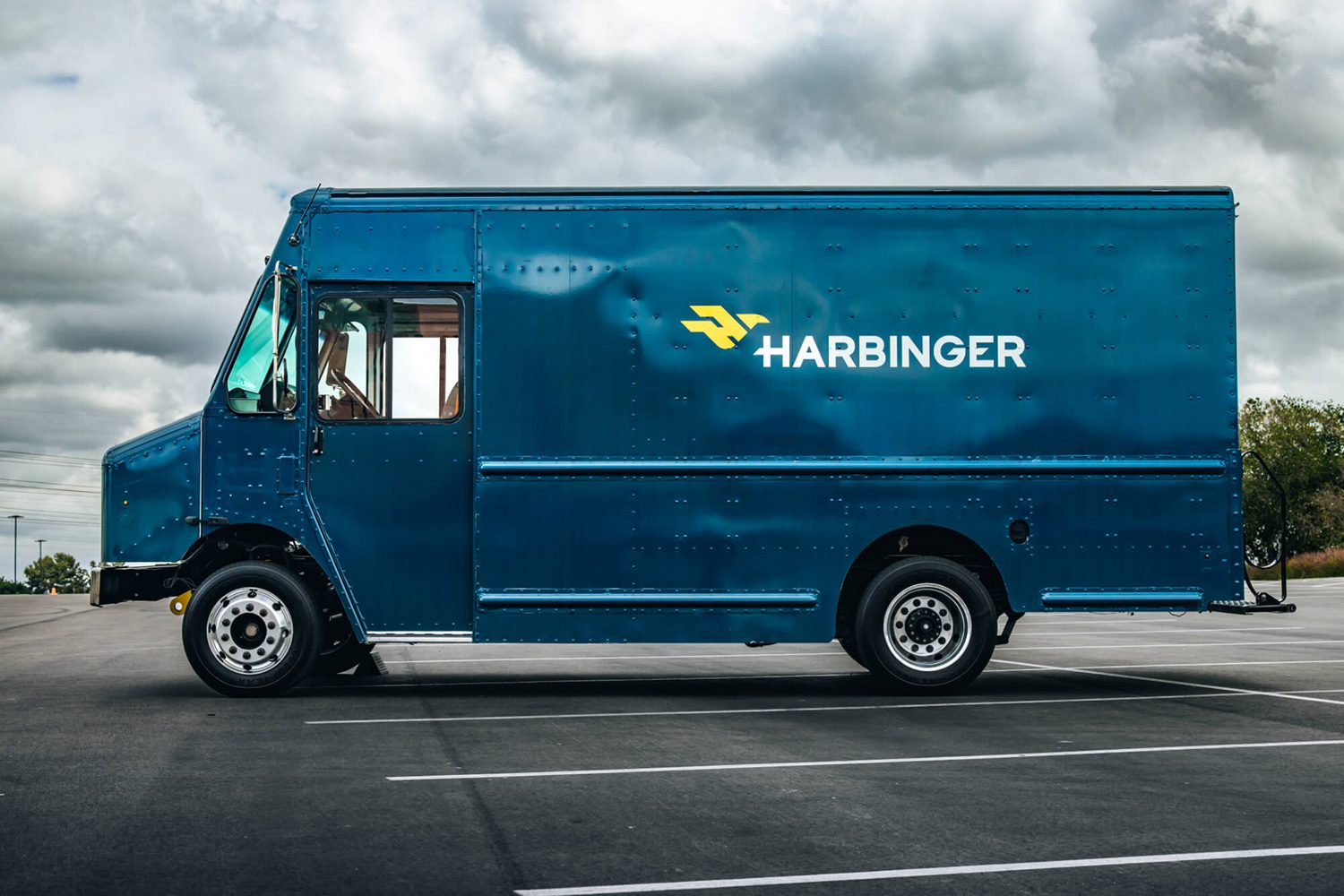
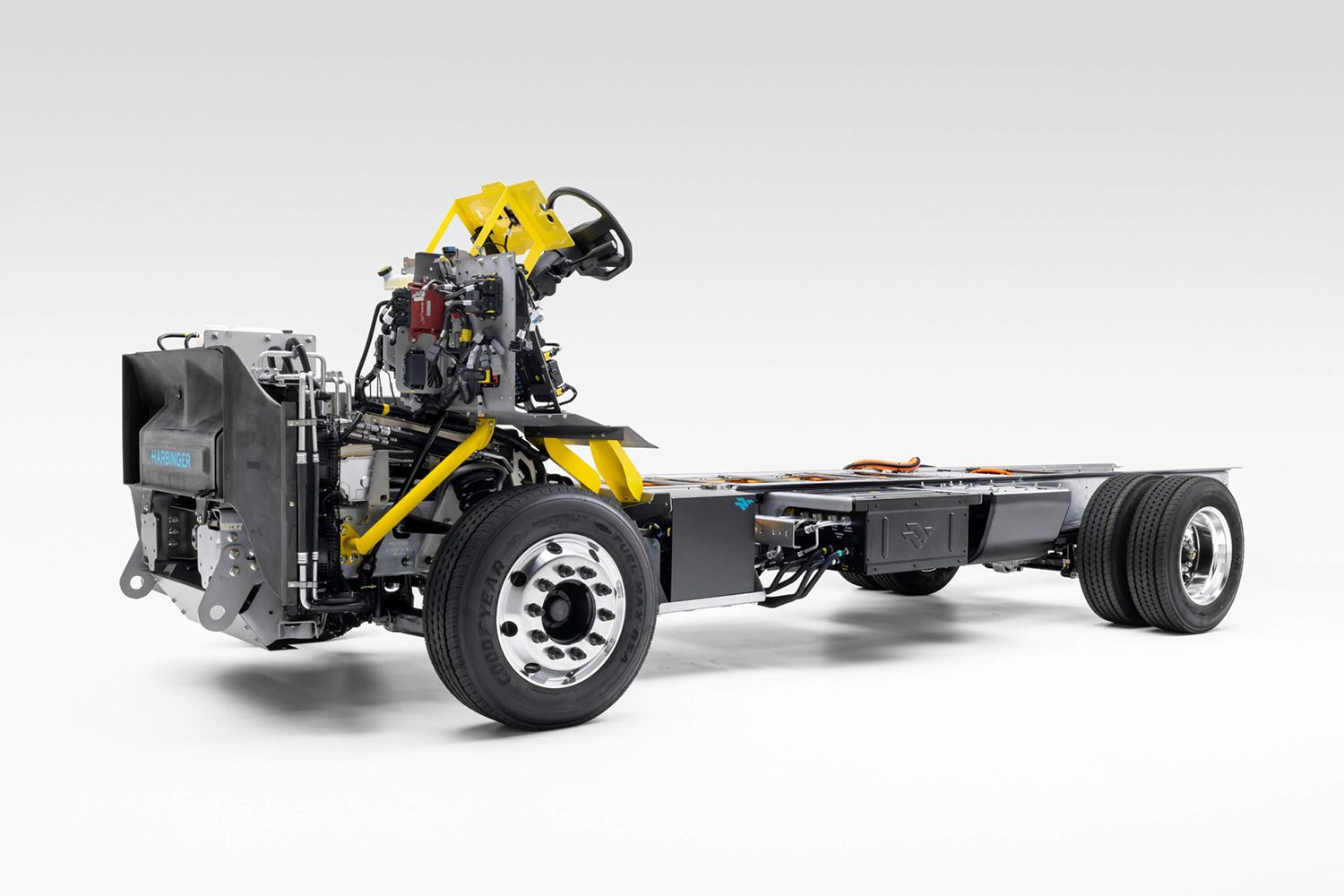
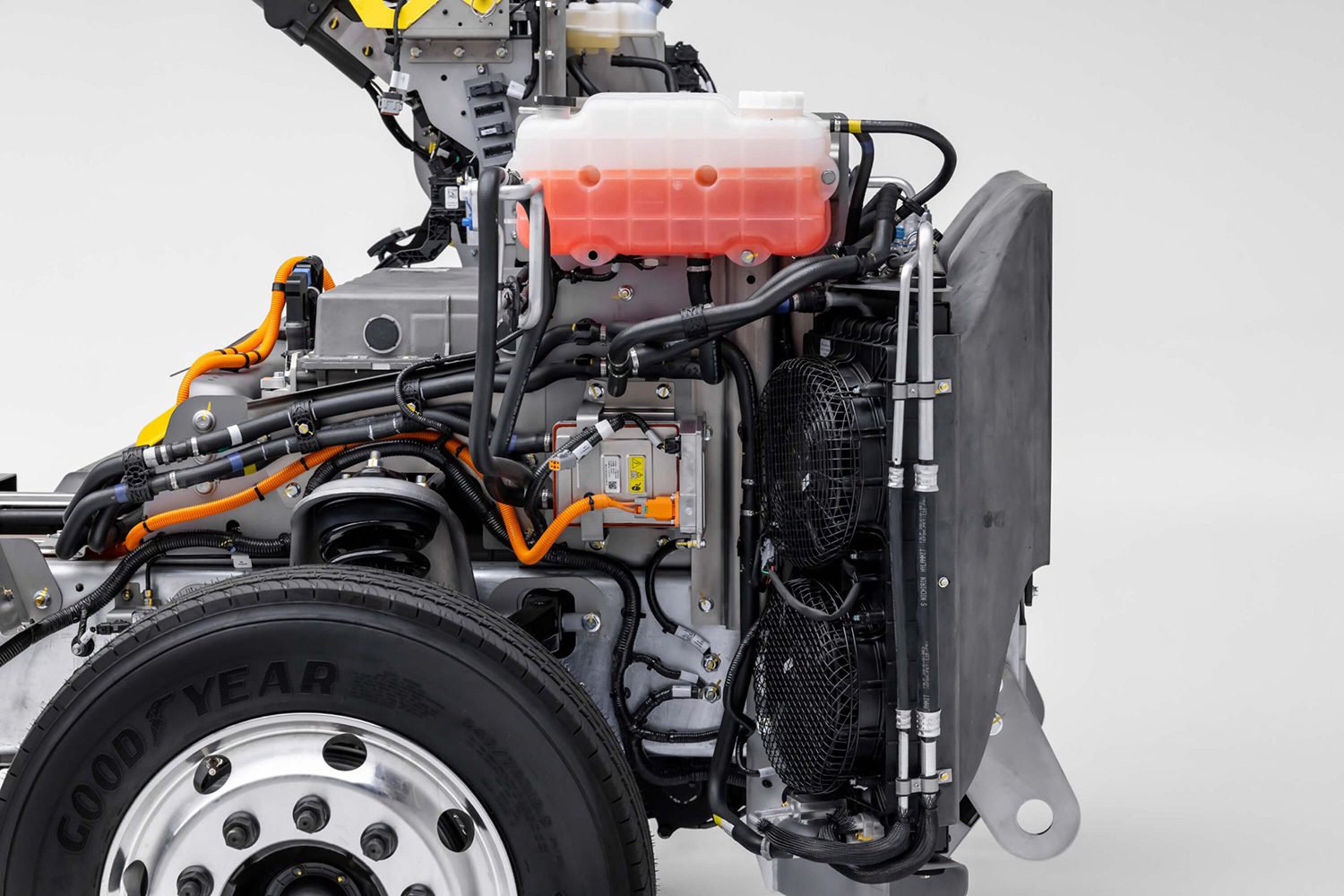
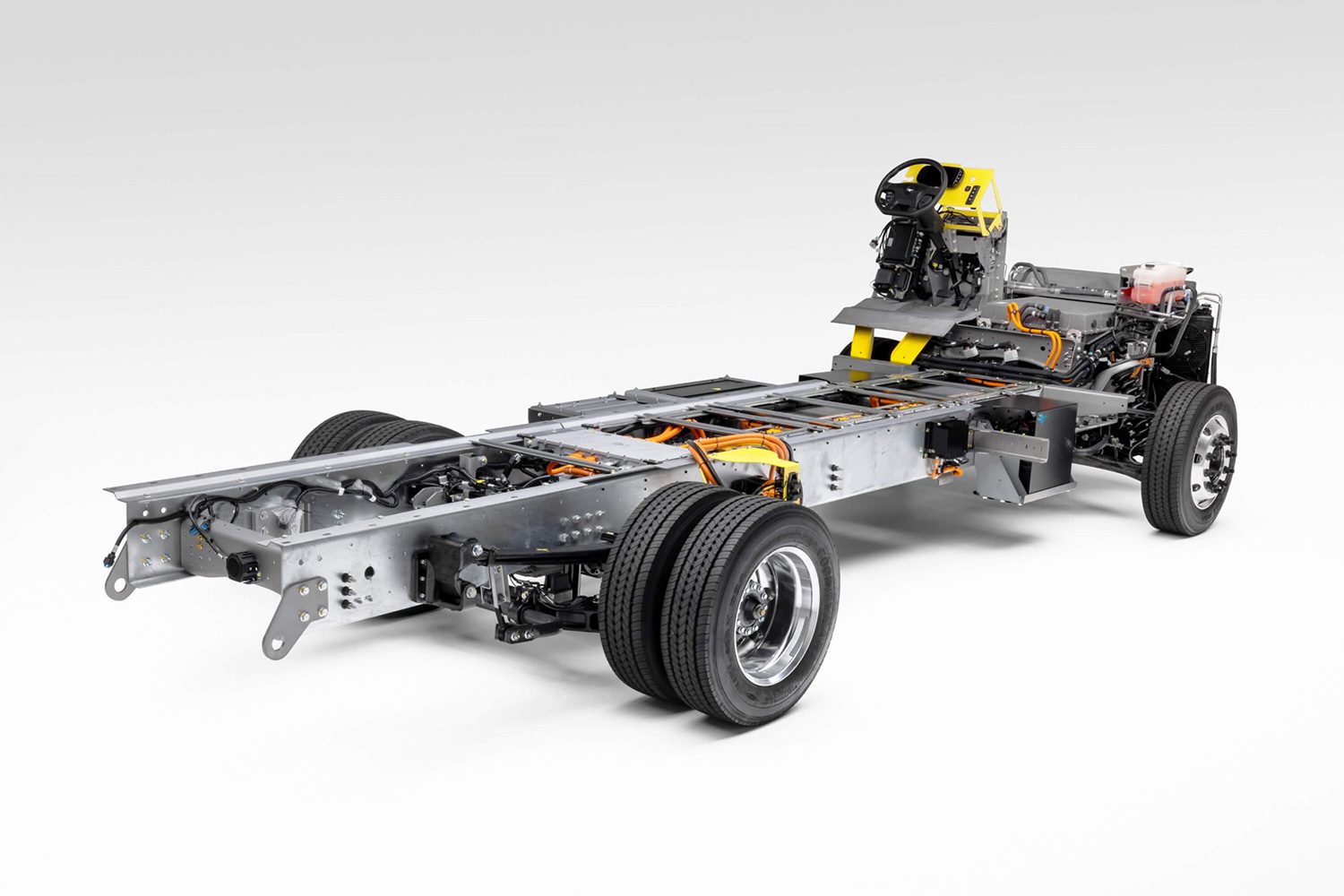
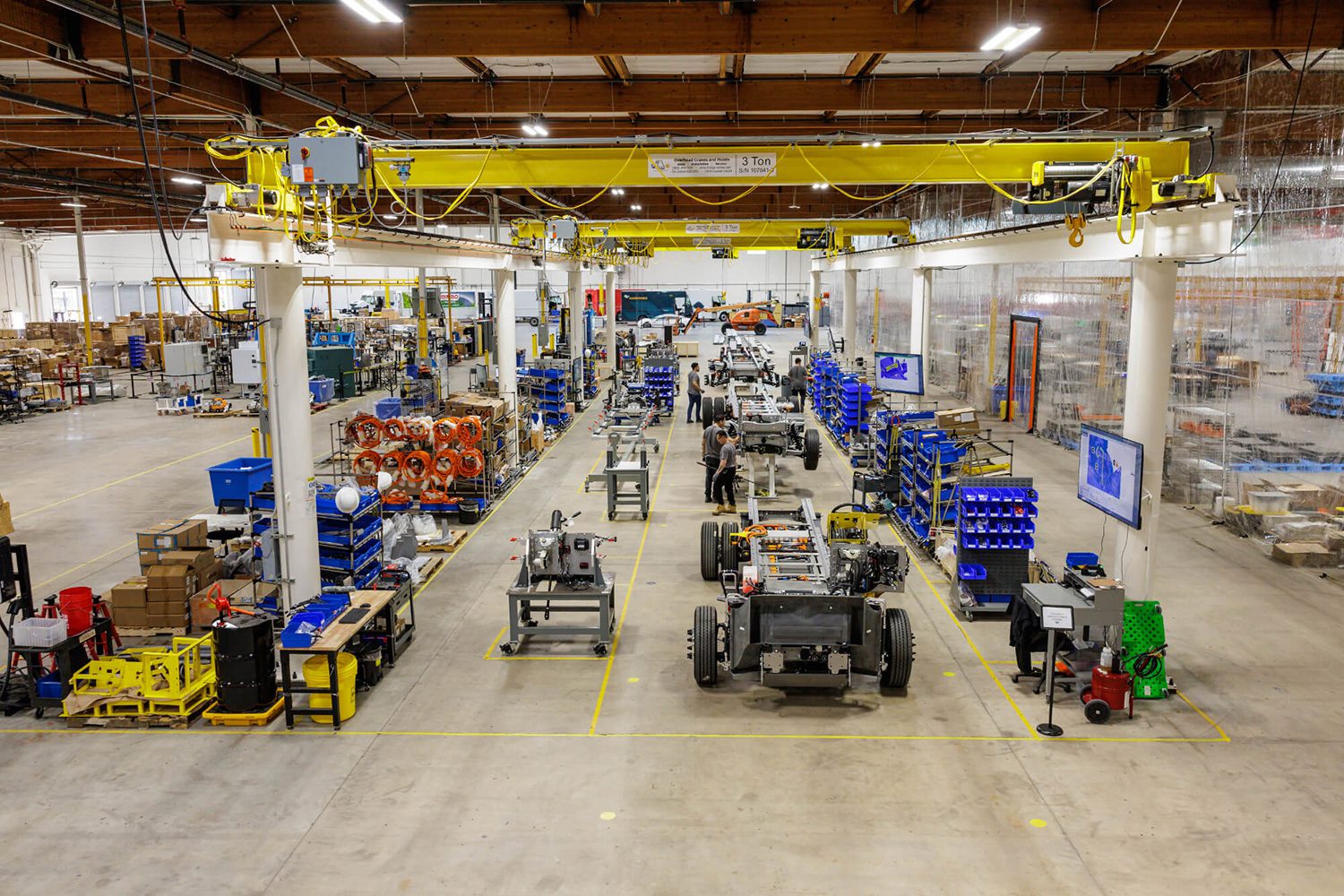
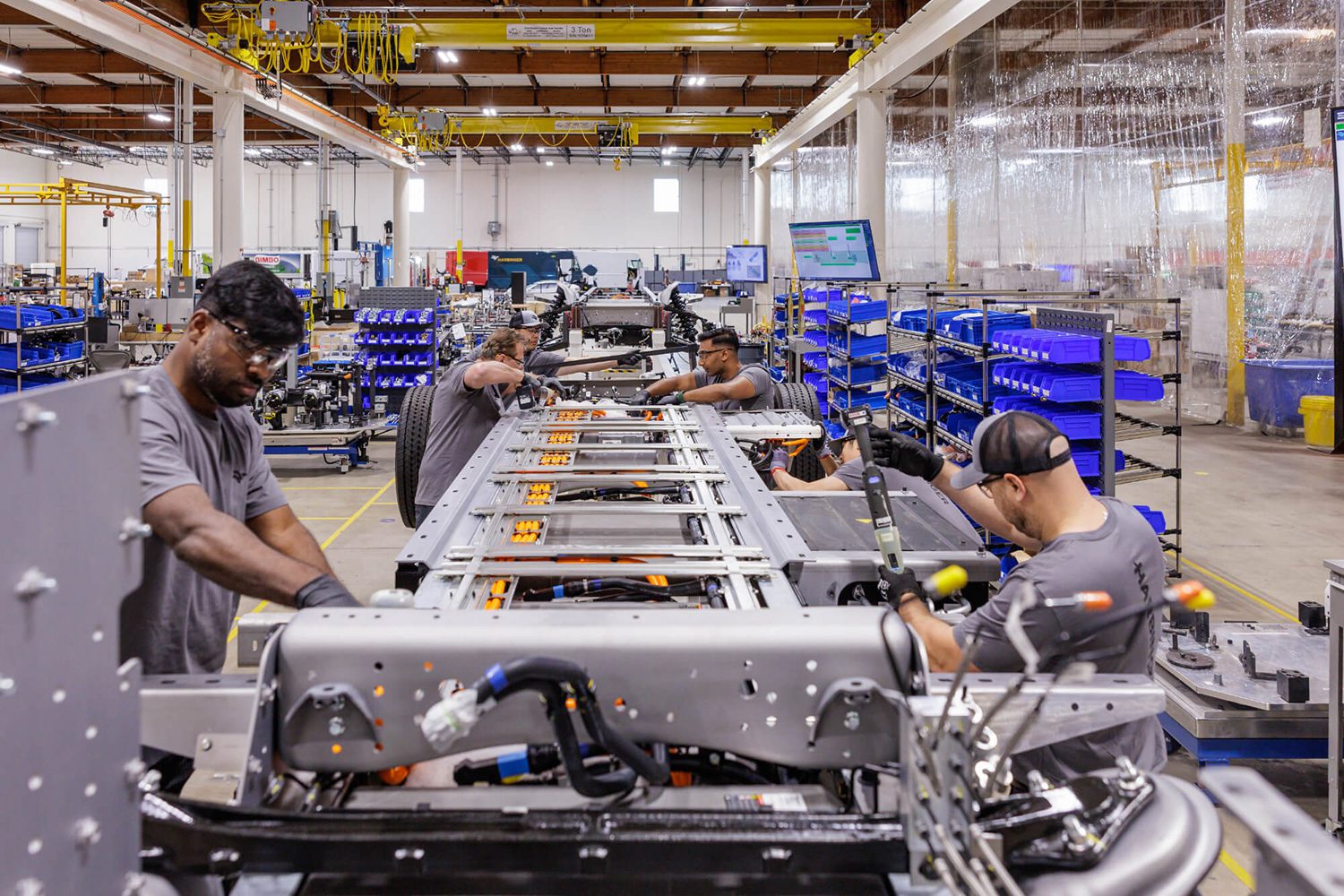
Harbinger sells only stripped chassis in Classes 4, 5 and 6. In this market, Harris tells us, today’s electrification technology is fit for purpose and cost-effective, and Harbinger faces little competition.
Charged has been covering the electric truck market for a decade, and we’ve seen a lot of startup truckmakers come and go. The market is developing at a painfully slow pace—lots of pilots, but few large-scale deployments. The major OEMs haven’t fared any better with their on-again, off-again electrification efforts—in the latest round of retrenchments, GM abandoned its Brightdrop commercial vehicle division, and Ford killed its F-150 Lightning electric pickup.
Electric trucks clearly offer cost savings on fuel and maintenance, and by all accounts drivers love them, so why does the sector continue to struggle? Well, John Harris, co-founder and CEO of electric truck company Harbinger Motors, believes the answer is simple: electric trucks carry a hefty price premium that most fleets simply aren’t willing to pay. The recent elimination of federal tax credits widened the gap, triggering another wave of bankruptcies and backtracking.
Harbinger is a rare success story in the commercial EV segment. Mr. Harris told Charged that his firm’s sales grew “pretty dramatically” in every quarter of 2025, and that the end of the IRA tax credits had no impact on sales. Harbinger is focused squarely on Classes 4, 5 and 6 vehicles, and it’s able to offer electric trucks at price parity with comparable diesel vehicles. The company has an impressive list of customers for such a young company. In 2025, it filled an initial order for 53 electric trucks from FedEx, and it’s providing plug-in hybrid chassis for a new RV from Thor Industries, which is scheduled to go into production this summer.
What’s the company’s secret? Read on.
Charged: Let’s start with a quick history of your company.
John Harris: Harbinger is a little less than five years old. We started the company with a very specific focus on electrifying medium-duty trucks, since we think that this is the best market for electrification. It’s a market where electrification can stand on its own based on economics, it’s a market where the technology that we have available today meets the needs of the customers, and it’s a market that no one else is really paying attention to.
When we look at investment and innovation in the automotive industry, it’s ultra-focused down in Class 1, light-duty passenger cars, and up in Class 8, long-haul trucks. The middle of the market, which is incredibly important to our daily lives, is completely ignored.
Those big fleets, they run pilots to validate that the vehicles work, not to validate the price.
Charged: Since I started writing about commercial EVs almost 10 years ago, we’ve seen startup companies sign up customers, but those customers insisted on doing long pilots with small numbers of vehicles, and companies starved out while waiting for larger orders. How did you avoid that trap?
John Harris: The issue is that none of those startups were willing to sell a product at a price that was viable. They would place five vehicles with UPS or FedEx or some other large fleet, and I guess they assumed that the orders would come after that, but that’s not how it works.
Those big fleets, they run pilots to validate that the vehicles work, not to validate the price. Let’s say you place five vehicles with one of those fleets and the vehicles work. That’s great. Now the fleet’s going to say, “What’s the price? Is the price low enough that I can see replacing a third of my fleet with these vehicles, or half of it, or all of it?”
If you order five vehicles for a pilot program, it doesn’t really matter what the price is. I think a lot of these companies convinced themselves that because they could sell five vehicles at triple the price of diesel, they could sell 5,000 vehicles at triple the price of diesel. But there’s no path to connect those two points. You can really only sell dozens of vehicles that way because you’re selling them to companies that are doing onesie/twosie trials.
I also think that for certain fleets, trials are a way of running out the clock, not a way of getting closer to purchases. There’s a lot of corporate doublespeak on electrification.
I think a lot of these companies convinced themselves that because they could sell five vehicles at triple the price of diesel, they could sell 5,000 vehicles at triple the price of diesel.
A lot of people have this mentality that they have to electrify 100% of their fleet or not do anything at all. And that’s completely the wrong position to take. The question is, what portion of your fleet activities are appropriate for EVs? Is it 20%? 50%? 80%? I can tell you with high confidence that for almost every fleet, the answer is not zero, and the answer is not 100%. In my experience, the right answer is somewhere between 50% and 75%.
A lot of bigger fleets get this corporate push: you have to be on this path to 100% electric by such-and-such a date. And the leadership of those companies talks a good game about electrification publicly, but they’re looking at their vehicle usage and scratching their heads and saying, “We can’t go 100% electric.” Some percentage of the routes, they’re not going to make any sense.
Charged: So, for some fleets, doing a pilot is a kind of greenwashing—a way to make it sound like they’re going electric while they spend a few years doing pilots.
John Harris: That’s exactly what it is.
Charged: Or to be fair, some of them may be assuming that the technology’s going to get better and they just want to wait.
John Harris: Maybe. I think when you look at a lot of these big corporate commitments to zero emissions that came out four or five years ago, those companies made the very rational assumption that electric trucking would follow the same path as electric passenger cars—you’d start with expensive vehicles and then prices would come down from the stratosphere to a reasonable level. That hasn’t happened in commercial vehicles. If you go to buy a Freightliner eCascadia [electric Class 8 truck] today, it costs just as much as the eCascadia did five years ago.
Charged: You’ve chosen to focus on the segment that seems most ripe for electrification.
John Harris: Within medium-duty, I think the majority of vehicles are ready for electrification, the outliers being vehicles that have super-high auxiliary loads—things like a refuse truck—or vehicles that are in multi-shift use back-to-back. The technology is ready on the vehicle side, but the multi-shift usage scenario is challenging on the infrastructure side because it pushes you to deploy all fast chargers, which ends up being expensive and very challenging with the utilities. But those are both pretty rare situations.
We think the technology available today will meet the needs of almost every application that’s in a delivery-type use—last and middle mile, delivery of goods, services, all these B2B or B2C activities that are happening within a city-size area.
If you’re talking about a long-haul fleet, it’s very different. Electrification for Class 8 trucks, it’s difficult—the technology is not where it needs to be yet. We don’t touch any of those vehicles. We only do medium-duty.
What I just described is how electric trucks are built today in every company in the world besides Harbinger.
Charged: So, what’s your secret sauce? How are you able to produce EVs so much cheaper than the other guys?
John Harris: The advantage comes down to the right supply chain. Imagine a world in which every F-150 had a Silverado engine. You’d say, “Why am I going to pay you margin on that F-150 so you can give margin to someone else for the engine? Why wouldn’t I just go to that company and buy their competing vehicle?”
Obviously, no one does that in passenger cars, because it’s absurd on its face. But what I just described is how electric trucks are built today in every company in the world besides Harbinger. When you buy an electric Freightliner medium-duty truck, you’re getting essentially zero electrification content from Freightliner. You may be getting a battery system from Proterra, a drivetrain system from Dana, peripherals and integration services from a host of other people. And when we go a layer deeper, the axles on almost every medium-duty vehicle on the road in North America are from Dana or Meritor, and the suspension is from Hendrickson or Meritor.
So, when we look at the vehicles in use today in medium-duty, both EVs and regular vehicles, the vehicle OEMs have become integration companies who don’t really do component engineering. If you buy a truck that has a suspension system from Hendrickson, axles from Dana and a steering system from Concentric, you’re stacking up layers and layers of margin, and that’s where you get into the three- and four-tier-deep supply chains that have become common in automotive.
When Harbinger buys sub-components on the vehicle, we own all the IP and all the designs of those components, and that’s allowed us to flatten out our supply chain.
When you buy a whole suspension system, very reasonably Hendrickson is going to price it to amortize their investments in engineering and validation and tooling. You’re not paying the cost of steel plus margin. You’re paying the price the market will bear for that system, which is going to be a high-margin product.
When Harbinger buys sub-components on the vehicle, we own all the IP and all the designs of those components, and that’s allowed us to flatten out our supply chain. Almost everything in our supply chain is one or two layers deep. When we look at the axles, for example, our supply chain is a single layer deep. Harbinger owns the build prints, the tooling, the validation data—we only transact with one company, which forges pieces of steel for us according to our drawing and sells the axle to us. 0
So, when we buy that, we’re basically buying steel on a per-kilogram basis—we’re buying a comparatively simple product from a company that is competing on a commodity basis. That means we can compete them against other suppliers. We can take that print and quote it with five vendors.
So, take that concept and duplicate that all over the vehicle. Harbinger buys battery cells. We’re the only truck company that does that. Everyone else is buying the battery pack as a whole, and that’s a complex item. So again, they’ve got higher margins going to suppliers. All of that repeated over and over again, takes all the margin and traps it down into Tier 1, and it massively inflates the cost that gets passed along to the buyer.
Charged: That makes sense, but I still think there must be some secret sauce here. How did such a young company come up with sophisticated engineering that’s competitive with that of much larger, more established companies?
John Harris: Two reasons. One is that we’re more focused. All we make are medium-duty stripped chassis, and that’s allowed us to focus all our manpower and all our capital on building the best product in our segment. Our segment is also fairly small. There are 300,000 to 400,000 medium-duty vehicles sold in the US every year. That’s a really small market by automotive standards—about $50 billion a year. Because this is a small market, it’s getting basically no attention from those automakers, so we’re not really competing with them.
The second part is that we have a team that’s really good at this. Our people have been building new products and rolling out successful vehicles in electrification for decades. Our CTO and co-founder Phillip Weicker has been building battery systems and electric drivetrains for his whole career. He’s the author of one of the leading textbooks on battery management systems. He brings enormous technical depth in that area to the table.
When we look at the chassis engineering, our Chief Engineer Alexi Charbonneau was the lead engineer on body-in-white for the Model S. He was at Honda and F1 before that. We’re a startup, so we’re very lean. We have people who are motivated to put in a lot of effort because they have a real share of the upside.
Charged: How did the elimination of the federal incentive for electric trucks affect your business?
John Harris: The federal incentive brought us well under price parity—it was an artificial advantage. But our sales grew pretty dramatically every quarter in 2025, including the period without the IRA credit. What we saw later in the year, through Q2 and Q3 in particular, is that, considering the general tone from the US administration, people didn’t think the IRA credit was real. Most buyers didn’t think they could count on that credit, so when it went away, it had no impact on our sales, which is not really what we would have expected.
Without the IRA credit, we are still at price parity. That doesn’t mean every model is exactly the same price as a diesel truck, but if you look at the MSRP of the product that we believe is the benchmark for the industry, which is the Freightliner MT55, the MSRP on those is something like $90,000 to $130,000 and ours is like $100,000 to $140,000. You can still buy a diesel truck for a little less, but the majority of the range is overlapping.
Charged: And that’s without considering of the savings on fuel and maintenance.
John Harris: Correct. And that’s without the improvements to emissions and driver safety and driver comfort. There’s lots of reasons that you should be buying our vehicles even if they were at a premium. But at the same price, we think it’s a no-brainer.
Charged: Are there still some state incentives that are attractive?
John Harris: There are, and in fact we’ve seen the state incentives going up. The states that have incentives tend to be left-leaning states. (Not always—they have surprisingly compelling incentives in Texas, for example.) But when you look at the left-leaning states, many of them have reacted to the elimination of the IRA credits by doubling down and pushing electrification even harder. California has phenomenal incentives. New York and New Jersey too. Washington is now rolling out their own set of incentives called WAZIP, inspired by HVIP, the very successful California incentive program.
Those are particularly great if you’re a small fleet. If you’re a big fleet with 1,000 or 10,000 trucks, I don’t think those incentives really matter, because usually you’re limited to getting incentives on 10 or 20 trucks, or a million dollars max. There are specific limits in all those programs so that some big fleet can’t go in and take the entire pot of incentives, which is the way it should be.
For the bigger fleets, our price parity is critical. For the smaller fleets, the guys with 10 to 20 trucks, those state incentives are a great way for them to jump in and essentially not take any risk because in the states with incentives, the cost is somewhere between free and the cost of a used truck.
Charged: You’re selling a stripped chassis. Is it the same for every customer, or is there some customization?
John Harris: There’s a matrix of configurations they can pick—I wouldn’t really call it customization. We have three different wheelbases. The customers can choose from 158 inches, 178 inches or 208 inches. Then you’ve got four gross vehicle weight ratings. You can pick from 16,000, 19,500, 22,000 or 26,000 pounds, and you can have four, five or six battery packs. We’ll probably introduce a three-battery-pack option next year.
Within medium-duty, the market split is fortuitous for a new company like us. Within every other segment, you have to sell the whole vehicle, so you end up with this massive option tree of different colors, different interiors, different bumpers, different seating configurations. On an F-150, there’s probably two million combinations you can order.
Medium-duty vehicles in the US are all sold as a chassis plus a body, from two different sources, whether it’s a stripped chassis with a walk-in body, or a box truck where you’ve got a cab chassis from one company and body from a different company. That allows chassis companies like us to build a very low-mix, high-volume product.
Charged: Is it a challenge to make sure your chassis are going to work with all the bodies customers might want?
John Harris: We’ve designed our chassis to be just about a drop-in replacement for the existing stripped chassis in the market. We work with the upfitters pretty closely to make sure they don’t have too much complexity to deal with. It does require some coordination to make sure we don’t design a component into a spot where it won’t fit with their upfit, but in general, we’ve tried to design around their existing standardized interface.
Charged: You developed a plug-in hybrid chassis for Thor Industries’ new Embark motor home, which is going on sale this year.
John Harris: We’ve got a long partnership with Thor, and we’ve continued to double down on that partnership every year.
We had talked about building all-electric RVs. Thor did a lot of research and said, “We need a couple hundred miles of range because you’ve got to drive out to where you want to camp.” While we can do that with batteries, it gets expensive—the batteries increase the cost quite a bit, and also add weight. So, we decided to pursue a hybrid option. In September, we showed that product off for the first time publicly—it is basically one of our electric chassis, but we took a battery pack out and replaced it with a range extender.
When you say hybrid, people think of a vehicle that can’t go up hills, can’t pass people on the highway. It’s a sad driving experience, and that’s because you’re talking about a parallel hybrid. A series hybrid is an entirely different experience. In a parallel hybrid, you have a really small gas motor and a really small electric motor. Neither one of them have the performance to be responsive.
Harbinger’s hybrid is a series hybrid. It has a complete electric drivetrain with electric vehicle performance, plus a generator. You’re driving around with electric vehicle performance 24/7. When you need more range, the generator turns on and charges the battery. And if you integrate that properly with good thought in the software, you have all kinds of interesting modes. You can say, “I’m just going to the store, I want to drive in EV mode the whole time.” Or, “I’m going on a road trip, give me maximum range.”
Thor has a really significant capacity to do innovation at a big company, which is rare. If you look at the Embark, it’s phenomenal. They’ve won a ton of awards for it. The industry is loving that product. We’ll have more announcements with Thor next year. We’ve got more exciting projects coming down the pipeline with them.
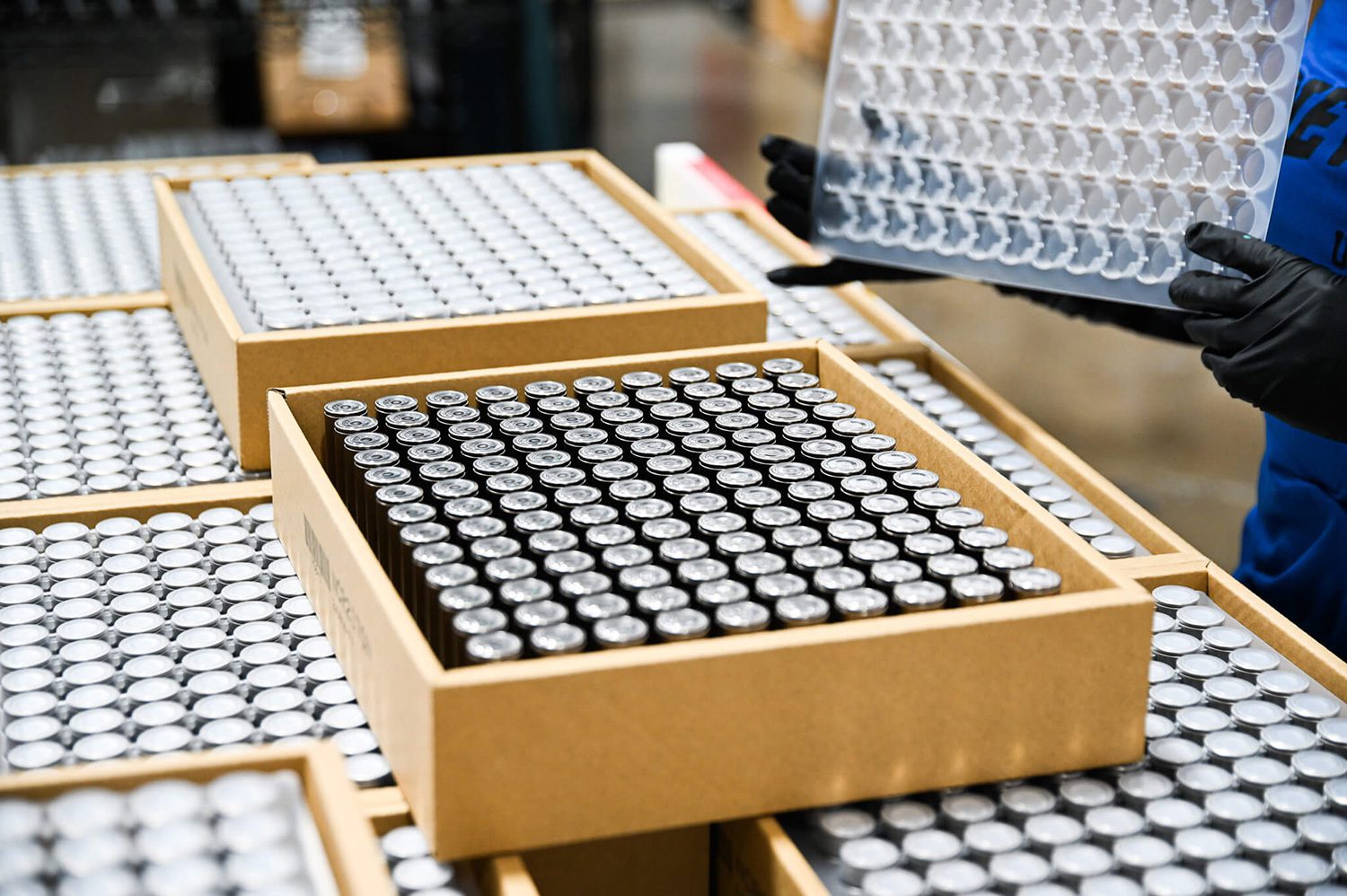
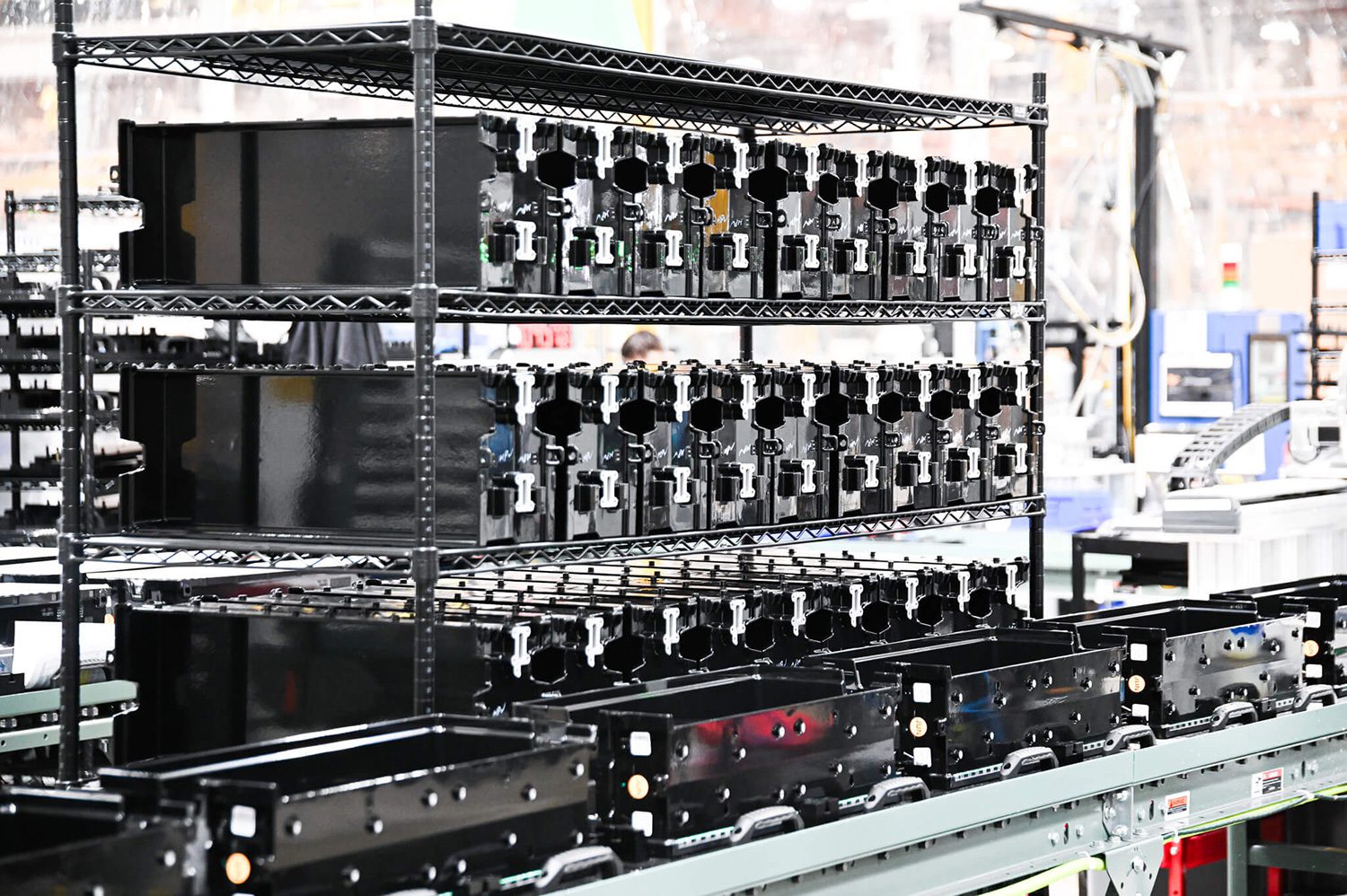
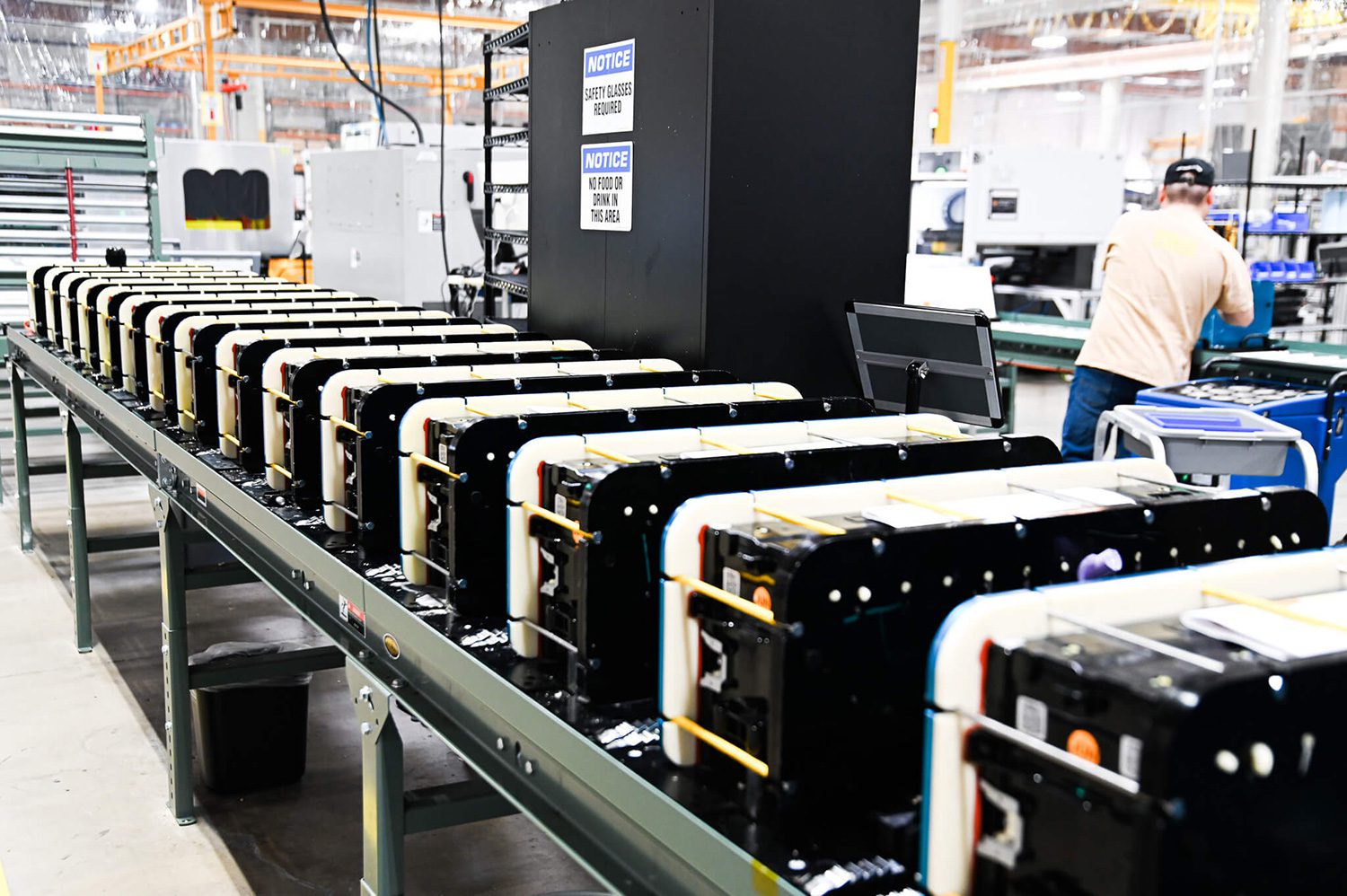
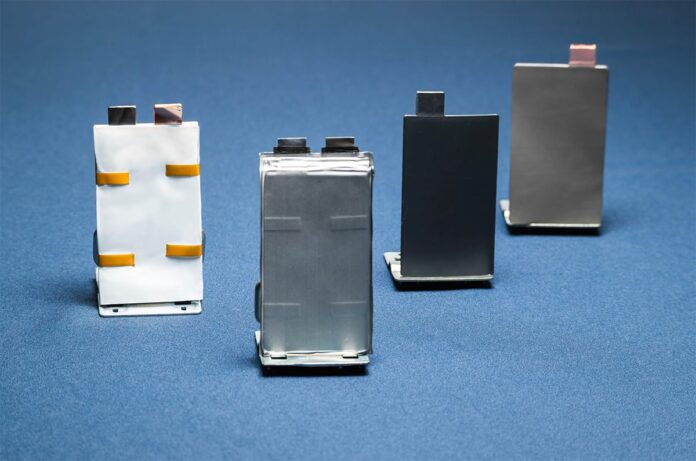
Battery technology company EnPower has announced an investment in equipment dedicated to the assembly of battery cells for the unmanned aerial vehicle (UAV) and defense sectors.
EnPower will install the new equipment in automated battery cell assembly lines at the company’s headquarters in Indianapolis.
The new equipment includes advanced features for electrode processing, quality control and end-to-end automation. The new lines, which are expected to be fully operational by Q2 2026, will boost the company’s annual battery cell assembly capacity by 60 MWh.
“The growth of the US UAV market has created a critical and urgent need for high-performance, secure and domestically sourced lithium-ion batteries,” said Drew Rossier, CCO of EnPower. “Our investment demonstrates our commitment to addressing a strategic supply chain gap and supporting our customers and partners with high-performing battery cells.”