Saturday, April 25, 2026
17.3 C
London
Home Blog Page 38

Charged EVs | Soneil Spark’s mobile EV charging solution features microgrid capability and financing options

0


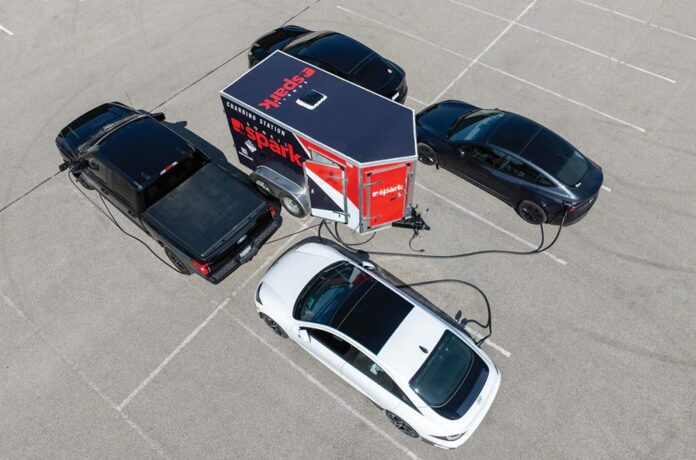
Soneil Spark’s new Spark Mobile EV Charging Station (MCT) provides on-demand charging in remote, underpowered or off-grid locations. It’s suitable for a wide range of commercial operations, including construction and mining sites, municipal fleets, outdoor events, emergencies or disaster response, and remote utility projects.

The Spark MCT is equipped with 50 kWh (or more) of battery capacity, can deliver AC or DC charging, and supports multiple energy sources, including solar, wind, methane gas and propane.

The Spark MCT is designed to operate as a fully independent power hub, or to seamlessly integrate with existing energy systems. Spark’s intelligent power management software optimizes the use of multiple energy sources, balancing battery storage and generator inputs. The unit’s modular design makes it customizable and scalable.

Soneil Spark offers financing options for the Spark MCT in Canada and the US through strategic partnerships.

Source: Soneil Spark


Source link

Charged EVs | Voltpost partners with EVSE to deploy lamppost EV chargers in the US

0


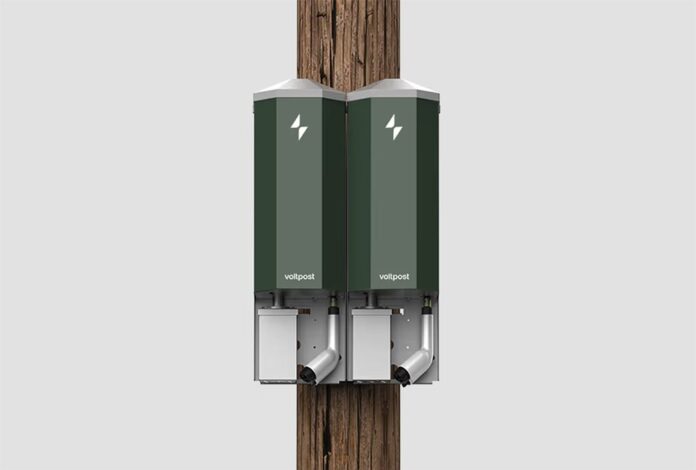
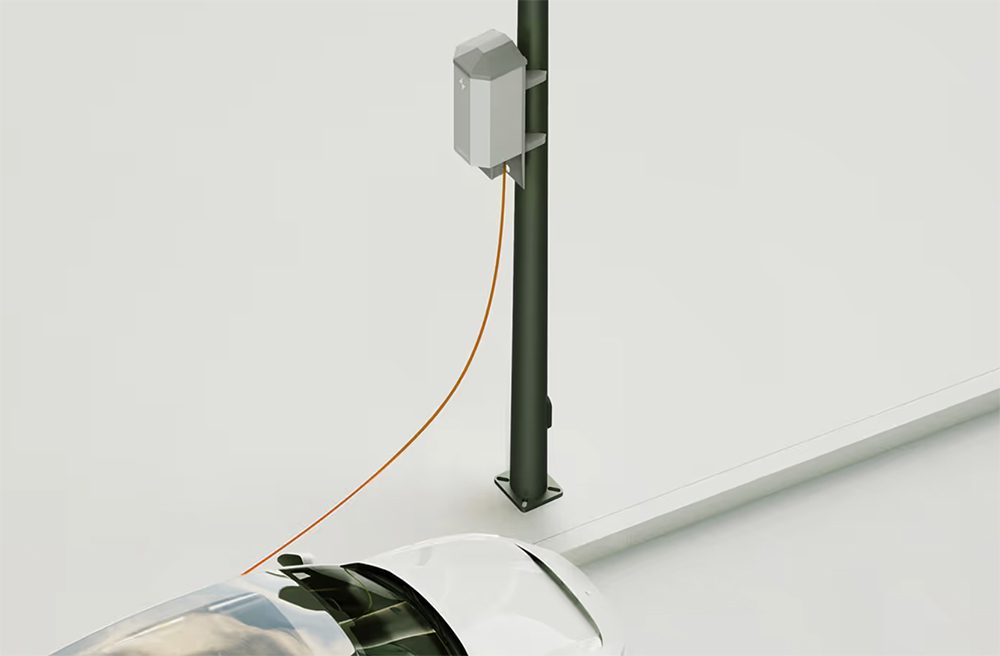
Lamppost charging specialist Voltpost has announced a strategic partnership with EVSE LLC, a subsidiary of Control Module Inc. Connecticut-based EVSE is manufacturing Voltpost’s next-generation lamppost EV charger, the Voltpost Air.

EVSE has executed several successful pilot projects with municipalities and utilities, including the Los Angeles Bureau of Street Lighting.

Voltpost’s lamppost EV charger is designed to be installed in a few hours on an existing public or privately owned lamppost. Voltpost chargers are equipped with wireless connectivity through AT&T’s network.

“Our mission at Voltpost is to make EV charging accessible to communities across America as fast as possible,” said Jeff Prosserman, CEO and co-founder of Voltpost. “This collaboration brings together EVSE’s manufacturing expertise, Voltpost’s intelligent infrastructure platform, and our team’s deployment leadership to create a scalable network of curbside and parking lot chargers.”

James Everley, who led lamppost charging deployments for UK charging network Ubitricity, has joined Voltpost to lead business development in the US market. At Ubitricity, Everley oversaw the deployment of 2,000 lamppost chargers across the UK.

“By uniting the strengths of EVSE and Voltpost, we can ensure that cities, companies, and utilities deploy chargers efficiently and reliably,” said Everley.

Source: Voltpost


Source link

Charged EVs | Turntide axial flux motor to power Sierra Echo-S EV in King of the Hammers 2026 off-road race

0


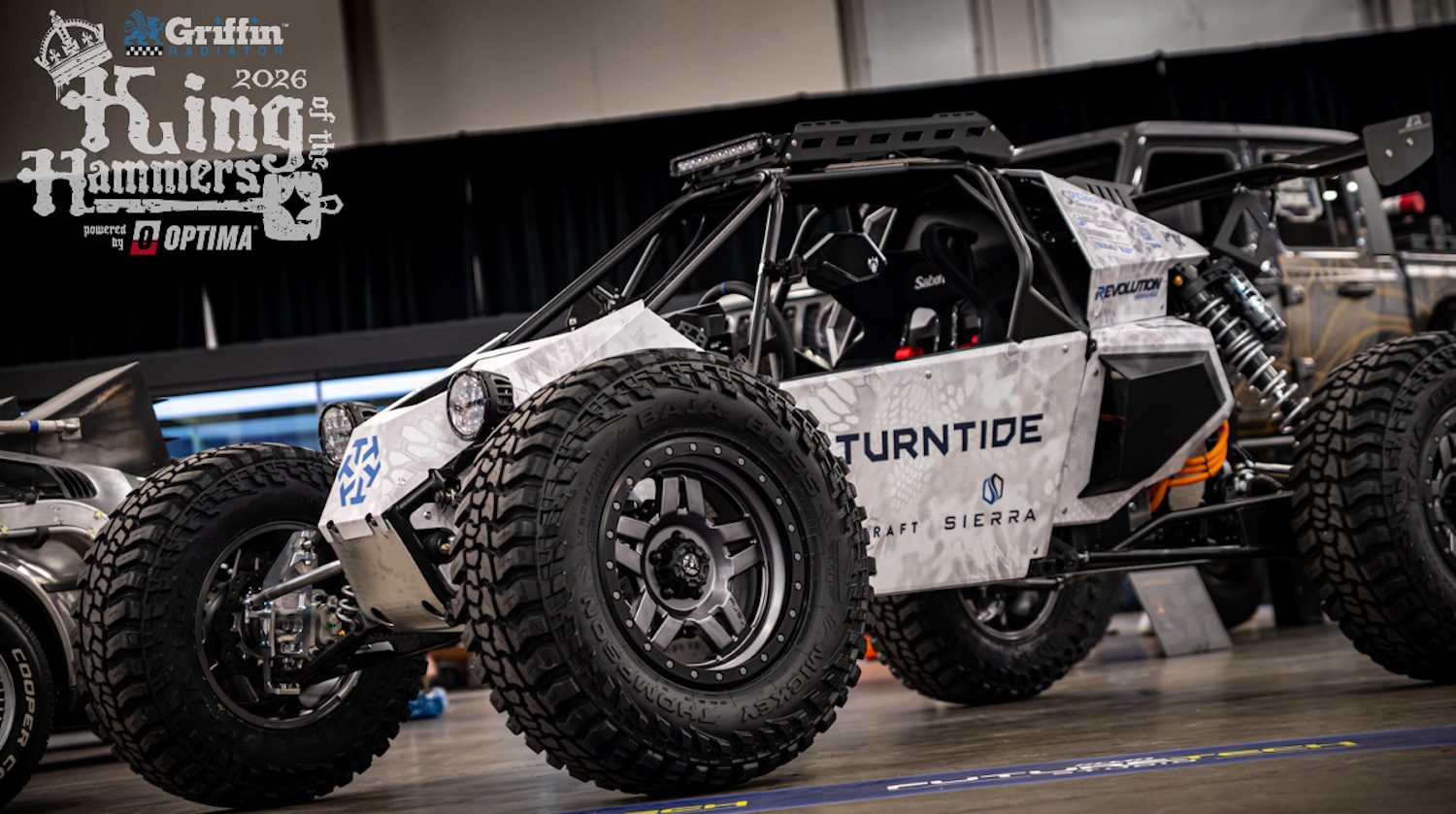
Turntide Technologies has announced that its Sierra Echo-S, an EV powered by Turntide axial-flux motor technology, will compete in King of the Hammers 2026 off-road race. The entry is intended to prove out off-road electrification in a race that combines high-speed desert sections with slow, technical rock crawling. The Sierra Echo-S aims to be the first purpose-built electric vehicle designed from the ground up to complete the race.

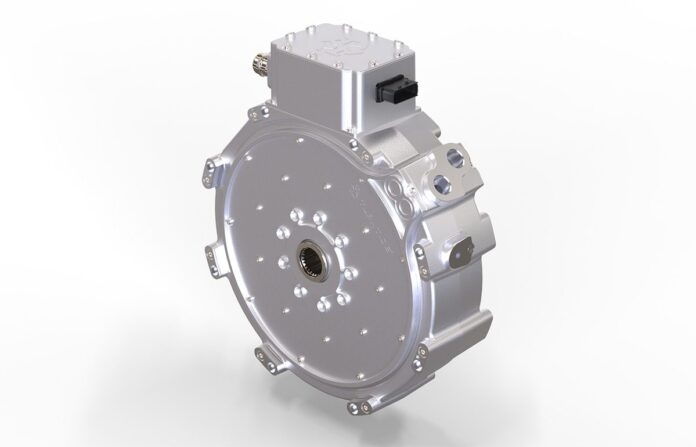
The EV uses Turntide compact axial-flux motors and power electronics to target high torque and efficiency for climbing steep, uneven terrain. Turntide says the compact motor packaging allows the motors to be placed closer to the vehicle center for balanced weight, with the goal of putting more power to the ground and improving control and precision during off-road driving.

Sierra Echo-S features an 18.6 kWh battery and a 420 V nominal electrical system. The axial-flux motor is specified at 235 Newton meters of torque at 1,500 rpm. Turntide also specifies a 4.56 gear ratio, rugged 33-inch tires, a 2.64 horsepower-per-pound power-to-weight ratio, and 0-60 mph acceleration in 3 seconds.

Beyond off-road EV racing, Turntide is applying the same axial-flux electrification approach to off-highway use cases, including heavy construction.

“We are taking on this race to provide a glimpse into the future of off-highway electric mobility,” said Jason Glass, North America Business Development Director. “Our technology delivers the performance and torque necessary to excel in the toughest and most demanding conditions from extreme off-road racing to heavy construction. The off-highway industry is at an exciting turning point, and we are proud to be at the forefront of this evolution.”

Source: Turntide Technologies


Source link

Charged EVs | Electrified shipping moves beyond the pilot phase: CATL’s batteries operating in 900 ships and vessels

0


Chinese battery giant CATL is exploring an ocean of opportunities. As Michael Barnard reports in CleanTechnica, the company’s batteries and energy management systems are already operating in roughly 900 ships and vessels. This isn’t just a measure of CATL’s dominance, but an indication that maritime decarbonization is well underway—based on existing electrification technology.

“Shipping is conservative for structural reasons tied to safety, long asset lifetimes, and unforgiving certification regimes, so deployment at this scale signals that electrification is no longer a pilot exercise but operating infrastructure,” writes Barnard.

Mr. Barnard is an eloquent debunker of arguments for the “alternative fuels” promoted by the “anything but EVs” crowd. While acknowledging that “long-haul ocean vessels face genuine energy density constraints that batteries alone cannot solve today,” he points out that electrification has been quietly advancing in the maritime transport applications where it actually works today.

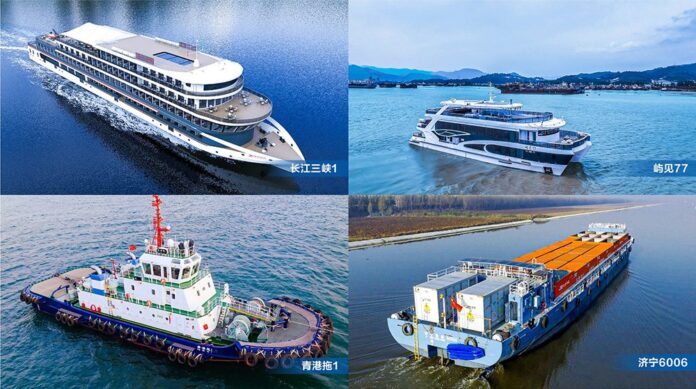
Among the vessels powered by CATL’s systems: Changjiangsanxia 1, a 100-meter all-electric inland passenger ship carrying more than 1,000 passengers daily on the Yangtze River in the Three Gorges region; the Yujian 77 electric passenger vessel, which operates on short sea routes; hybrid tugboats such as Qinggang Tug 1, which operate in urban harbor environments; and the Jining 6006 electric vessel, which hauls freight on the Beijing-Hangzhou Grand Canal using containerized battery swapping.

CATL’s interest in maritime electrification extends beyond supplying batteries. Its marine subsidiary Contemporary Amperex Electric Vessel (CAEV) recently unveiled a Ship-Shore-Cloud electric vessel solution that integrates the full cargo-handling stack. Onboard, CATL combines batteries, power electronics, propulsion integration and control systems. Onshore, it provides charging and battery swapping infrastructure. In cyberspace, it offers software systems that provide fleet operators with continuous monitoring, scheduling and maintenance planning across fleets.

Mr. Barnard predicts that most of the electrification action over the next two decades will be seen in inland shipping, ports, and short sea routes, which can be electrified using today’s technology. “Inland waterways and coastal services have constrained ranges, centralized charging opportunities, and fixed schedules, all of which favor battery electric propulsion. Ports, meanwhile, are stationary energy consumers that can anchor grid upgrades, renewable integration and storage.”

CATL is not the only Chinese battery manufacturer active in the maritime space: BYD has supplied batteries and complete electric propulsion systems for ferries and workboats; EVE Energy is supplying LFP cells and packs for electric and hybrid vessels; and CALB and Gotion High-Tech are supplying cells and modules used in marine energy storage systems.

Meanwhile in the US, “federal policy has actively attacked or undermined progress,” Barnard reports. “By scuttling decarbonization measures at the International Maritime Organization, the United States has injected uncertainty into a sector that depends on long-lived assets and stable standards. The United States has a lagging battery manufacturing sector compared with China, and no meaningful commercial shipbuilding industry.”

“CATL is positioning itself to become the dominant global player in port and shipping electrification, combining manufacturing scale, certified marine technology, integrated service models and anchor partnerships with operators such as Maersk,” Barnard concludes. “That strategy is reinforced by national Chinese policies that emphasize electrifying inland shipping and ports using technologies that are already commercially viable, rather than deferring action in favor of speculative fuel pathways.”

Source: CleanTechnica


Source link

Charged EVs | Urban Foresight leads study into floating charging hubs for electric boats

0


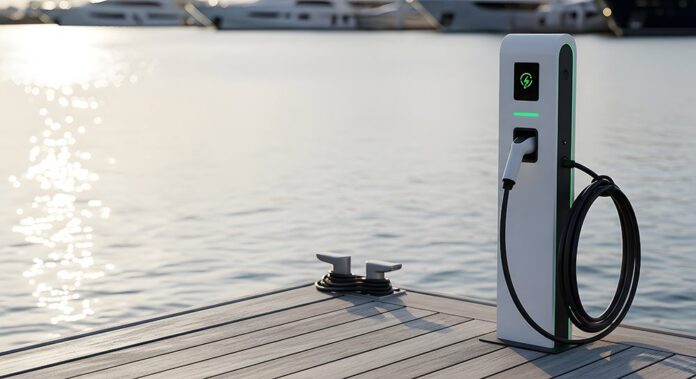
A consortium led by UK sustainability consultancy Urban Foresight has won funding from Innovate UK to lead a study called CoastalCoRRE, which will explore the concept of modular, floating electric boat charging hubs.

The idea is that the portable charging hubs could help overcome the physical, electrical and environmental constraints of remote coastal locations, where access to reliable charging remains a barrier to the adoption of electric and hybrid vessels.

The study will focus on how this system could be deployed along green maritime corridors in the Orkney Islands, where fishing and marine tourism vessels often operate in areas with limited access to electrical infrastructure. The study participants hope to develop a full-scale demonstrator by 2028.

The system will be capable of connecting to a variety of renewable energy generation technologies using power conversion technology provided by project partner Supply Design. Marine energy storage will be provided by a redox flow battery developed by Mhor Energy.

During the study, the floating charging platform will be simulated and tested at scale under real-world wave and tidal conditions in the University of Plymouth’s COAST Lab.

“CoastalCoRRE is about delivering practical, scalable solutions to accelerate the decarbonisation of our coastal fleets,” said Callum White, Head of Net Zero Mobility at Urban Foresight. “By bringing charging infrastructure to [the locations] where vessels operate, we can unlock the potential of electric propulsion in even the most remote parts of the UK.”

Source: Urban Foresight


Source link

Charged EVs | EcoPro starts commercial battery cathode material production at Hungarian factory

0


South Korean battery materials manufacturer EcoPro has completed construction of its cathode material plant in Debrecen, Hungary, and is beginning commercial production.

The site, spanning approximately 440,000 square meters, houses EcoPro BM, which produces cathode materials; EcoPro Innovation, which handles lithium processing and EcoPro AP, which produces industrial oxygen and nitrogen.

The facility, which has an annual production capacity of 54,000 tons of cathode material, enough to produce 600,000 EVs, forms the basis for EcoPro’s plans to target the European market, leveraging its ability to respond to the region’s regulations. The company has set a target to expand the plant’s capacity to 108,000 tons in the future.

The Innovation building will produce 8,000 tons of lithium hydroxide annually, while the AP building will produce 16,000 cubic meters of oxygen per hour.

EcoPro plans to produce high-nickel ternary cathode materials, such as nickel cobalt aluminum (NCA) and nickel cobalt manganese (NCM), starting in 2026. It also plans to expand its portfolio to include mid-nickel and low-priced products, such as LFP, in response to customer demand.

“Thanks to the Hungarian government’s full and swift one-stop support, we have completed the first local production base for a Korean cathode materials company in Europe in just three years since groundbreaking in 2023,” said EcoPro founder Lee Dong-chae. “The completion of the Hungarian plant is a new beginning for EcoPro and Europe to create the future together at a time when the landscape of the European EV industry is rapidly changing.”

EcoPro expects the Hungarian cathode materials plant to attract interest from cell manufacturers and automotive OEMs, coinciding with the implementation of the European Core Materials Act (CRMA) and the UK-EU Trade Agreement (TCA). Secondary battery cell manufacturers such as Samsung SDI, SK On and CATL, as well as global automakers like BMW, have established and operate production facilities in Hungary.

The cathode materials produced at the Hungarian plant are expected to be price-competitive, as they will contain nickel sourced from a smelter in Indonesia in which Ecopro has invested.

Source: EcoPro


Source link

Charged EVs | Blink adds USDC crypto payments at select EV fast charging sites

0


Blink Charging says it has launched the first phase of cryptocurrency payments at select EV DC fast charging sites in the US. Drivers can pay for charging sessions using USD Coin (USDC).

Blink says the crypto payment option supports USDC transactions on four blockchain networks: Ethereum, Arbitrum, Polygon, and Base. Crypto payments are now live at select DC fast charging locations, with plans to expand the feature to additional Blink-owned sites throughout 2026.

The initial rollout locations listed in the release are 1680 Main Street, Chipley, Florida 32428, and 145 SE Bandit Street, Madison, Florida 32340.

“Blink’s goal is to make EV charging seamless and convenient for all EV drivers,” said Harmeet Singh, CTO. “By introducing cryptocurrency payments, we’re embracing innovation that aligns with Blink and the evolving digital economy, aiming to give EV drivers more options for an easier charging session. Customers are increasingly seeking the option to use digital assets where they pay for products and services. At Blink, we always endeavor to listen, learn and lead – this launch is a perfect example of this.”

A Motley Fool survey it says found half of adults surveyed would consider using stablecoins for everyday purchases, rising to 71% among Gen Z and 60% among millennials.

Source: Blink Charging


Source link

Charged EVs | Donut Lab says its all-solid-state battery will be used in a production electric motorcycle this year

0


Solid-state batteries are a hot topic in the EV world—they theoretically off higher energy density compared to traditional lithium-ion batteries, as well as an improved safety profile and other advantages. Many, many companies are working on SSBs, and automakers are testing them, but we haven’t yet seen large-scale deployment of all-solid-state cells in a production vehicle.

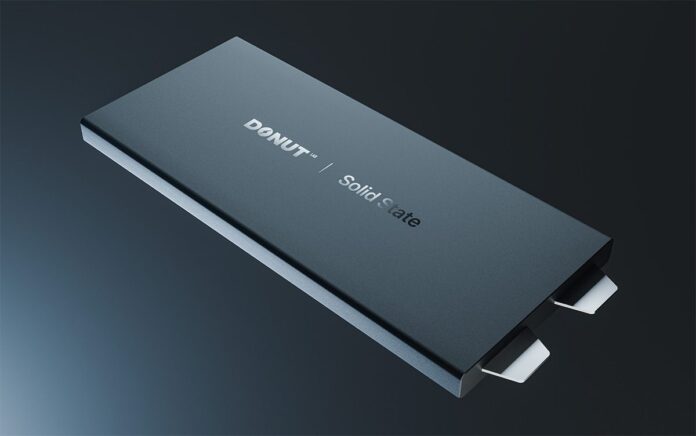
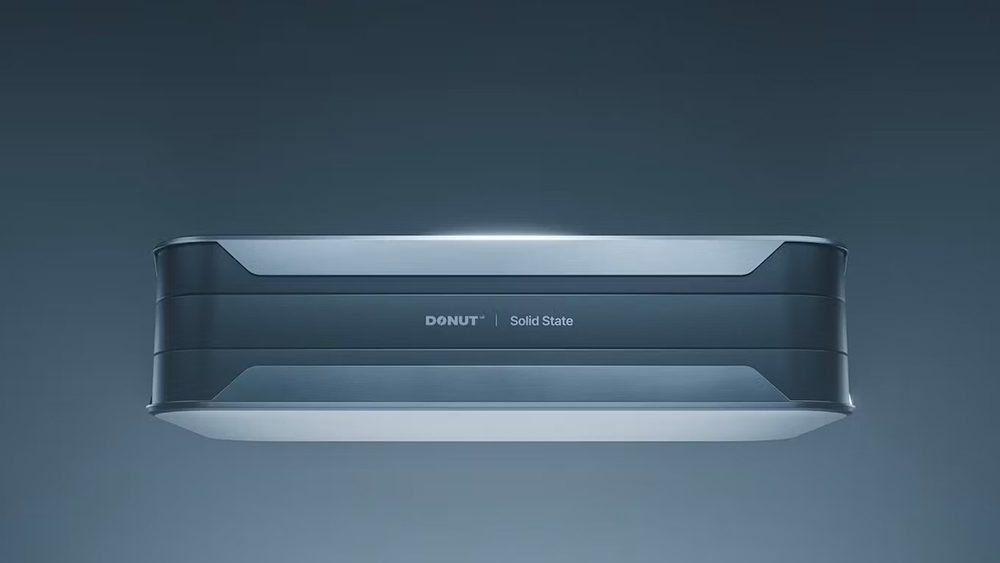
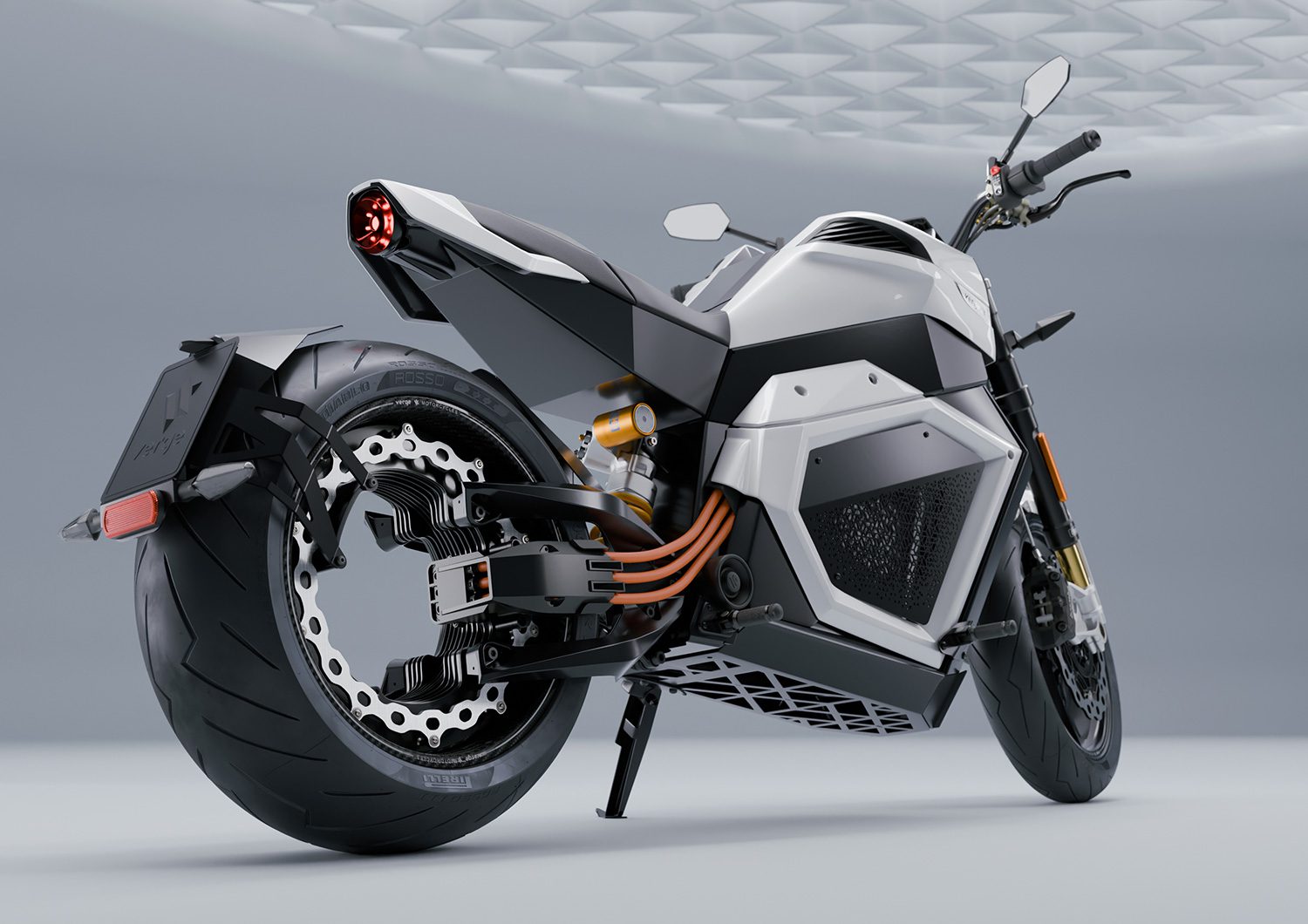
So, when a company called Donut Lab announced that its solid-state batteries are now “ready for OEM use,” and would be deployed in sister company’s Verge Motorcycles’ 2026 models in the first quarter of this year, it harvested a host of headlines.

Donut Lab says its all-solid-state battery delivers 400 Wh/kg of specific energy, and is designed to last up to 100,000 cycles with minimal capacity fade. Extreme temperatures are no problem: the battery retains over 99% of its capacity from -30° to 100° C.

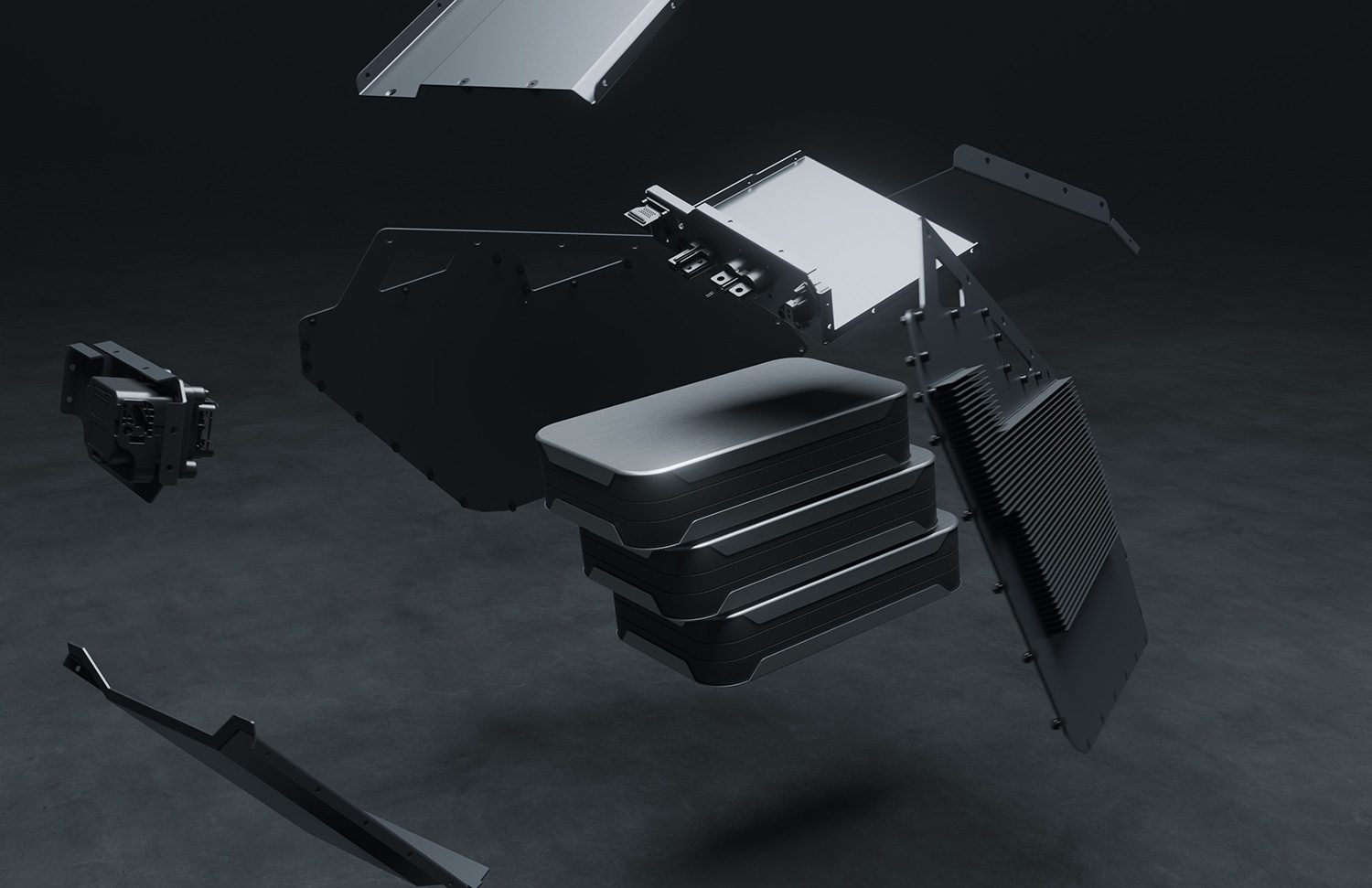
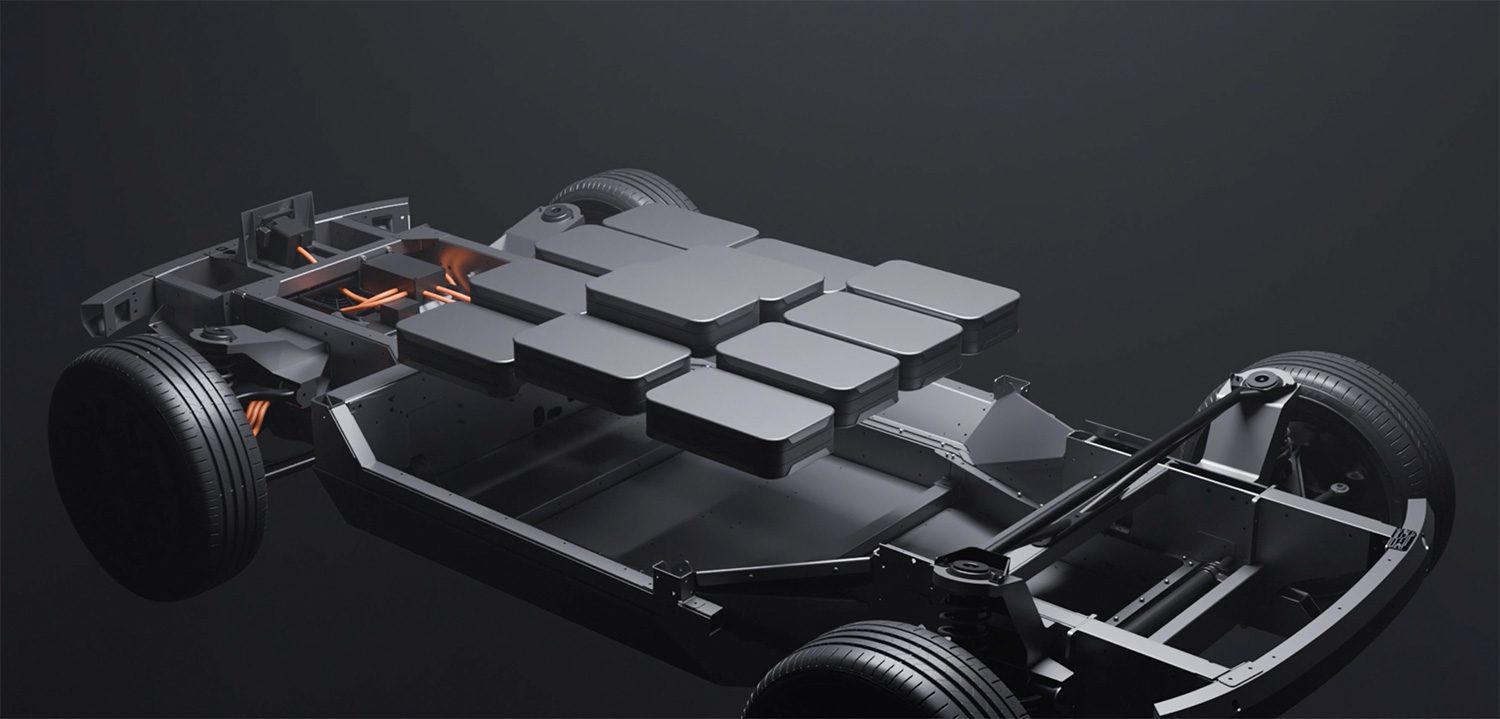
But wait! There’s more: Donut’s SSB “is made entirely from abundant, affordable and geopolitically safe materials, does not rely on rare or sensitive elements, and demonstrates a lower cost than lithium-ion [batteries].” It can be produced in custom sizes, voltages and geometries, enabling structural integration and other specialized applications.

“While the advantages are obvious, the future of solid-state batteries has been a moving target, constantly delayed,” said Donut Lab CEO Marko Lehtimäki. “Our answer on solid-state batteries being ready for use in OEM production vehicles is now, today, not later. Donut Lab has engineered a new high-performance solid-state Donut Battery that can be scaled to major production volumes and is seen now in real-world use in the Verge Motorcycles bikes on the road in Q1. Donut Lab waited to announce our solid-state battery breakthrough until the technology was fully tested, validated, and already operating in vehicles.”

Donut Lab is also providing its SSBs to WATT Electric Vehicles, Cova Power Smart Trailer (a joint venture between Ahola Group and Donut Lab) and the ESOX Group, a provider of defense-grade platforms.

Not everyone is convinced that a new EV era is at hand. Battery scientist Tom Boetticher posted on LinkedIn that Donut Labs’ claims “made many battery scientists highly skeptical,” noting that “there is no comparable solid-state cell anywhere in the world that achieves these specifications.” It appears that Donut’s SSB tech comes from Nordic Nano, a company in which Donut is an investor.

Skepticism about a major breakthrough such as this is to be expected. Considering the plethora of publicity around Donut’s announcement, it seems certain that more details and data will be forthcoming soon.

Electrek’s Fred Lambert points out that if Verge Motorcycles succeeds in delivering solid-state batteries in production vehicles in early 2026, it will have “beaten the entire global automotive industry to the punch.” Runners-up in the SSB race would include not only Quantumscape and Ducati, who unveiled a demonstration bike solid-state cells last September, but heavyweights such as Samsung SDI and Schaeffler (to say nothing of Toyota, which has been talking trash about SSBs for a decade).

We shall see.

Source: Donut Lab


Source link

Charged EVs | XCharge and Energy Plus to build an 88-space battery-supported EV charging depot in Brooklyn

0


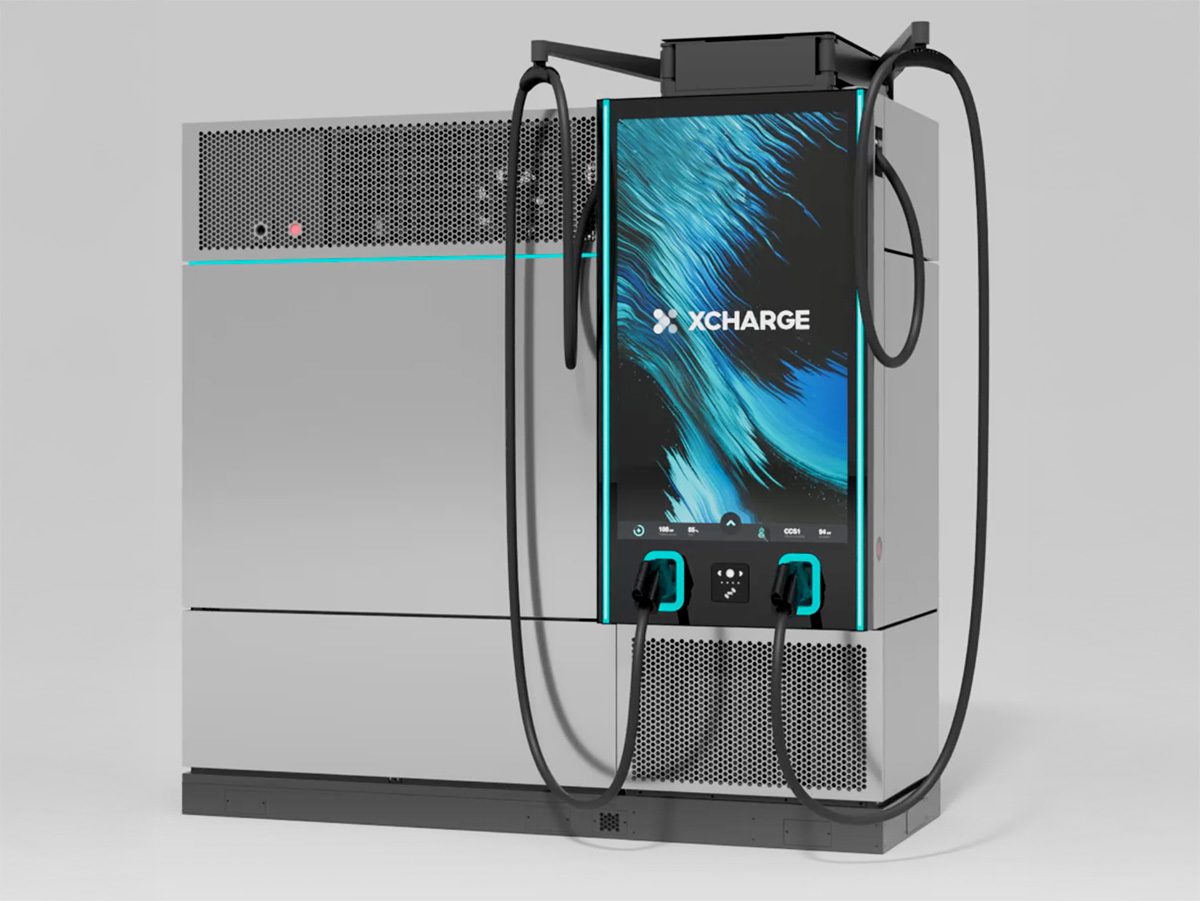
XCharge North America has partnered with electrification contractor Energy Plus to build a large EV charging hub in Williamsburg, Brooklyn. The site will feature 44 XCharge GridLink units, serving 88 parking spaces, and will incorporate 9.46 MWh of energy storage. The site, which will operate under Energy Plus’s Eplug brand, is expected to go live in Q2 2026.

GridLink’s battery storage will help to mitigate pressure on the grid while strengthening local resiliency by drawing energy at off-peak times and returning it at peak demand periods.

“Through this strategic alignment with Energy Plus, we’re proving that the EV transition can thrive domestically, setting a model for how public and private companies can come together to accelerate the clean energy transition and make urban energy cleaner, faster and smarter,” said Aatish Patel, co-founder and President of XCharge NA.

“This is what American-made electrification looks like in practice: XCharge North America provides the cutting-edge technology and hardware, and we build the infrastructure here with local American labor,” said Moshe Lefkowitz, founder of Energy Plus. “Together we’re not only creating a model that any US city can replicate, but also laying the foundation for Eplug, a network designed for real urban life—one that’s dependable, familiar, and as easy to use as stepping into your local café to grab a cup of coffee.”

Source: XCharge North America


Source link

Charged EVs | Eldorado Gold orders 10 Sandvik electric vehicles for Québec mining complex

0


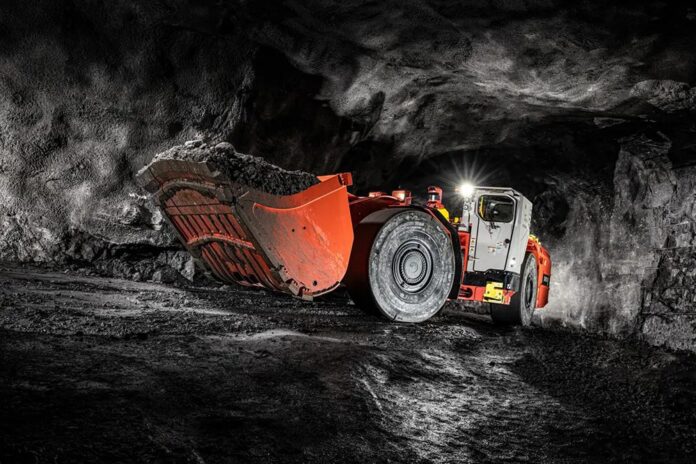
Eldorado Gold, an intermediate gold and base metals producer, has selected Sandvik to supply 10 battery-electric vehicles, plus 10 charging systems, for its Lamaque Complex in Val-d’Or, Québec.

The orders include five Sandvik TH550B trucks and five Toro LH518iB loaders. The first two 50-ton trucks were delivered in October. The remaining three trucks and five 18-ton loaders will be delivered from mid-2026 into 2027.

The new equipment will support Lamaque’s transition towards an electrified underground load-and-haul operation.

Sandvik’s TH550B and Toro LH518iB are both purpose-built BEVs, designed from the ground up around their battery systems and electric drivelines. The truck and loader both feature Sandvik’s patented “self-swapping” battery system, including AutoSwap and AutoConnect functions. Sandvik claims to offer the fastest EV “pit stop” in the industry, enabling its equipment to return to operation significantly sooner than mining BEVs that depend on DC fast charging.

The Sandvik TH550B and the automation-ready Toro LH518iB also feature sophisticated data collection and analysis capabilities, enabling operators and maintenance personnel to monitor and optimize equipment performance in real time.

“The first Sandvik BEVs at Lamaque have proven their capability underground, and expanding the fleet lets us move more tons with less energy and heat,” said Sylvain Lehoux, Vice President, Canada at Eldorado Gold Québec. “We see electrification as a long-term enabler of safer, more efficient and more productive mining.”

Source: Sandvik


Source link