Tuesday, April 21, 2026
9 C
London
Home Blog Page 4

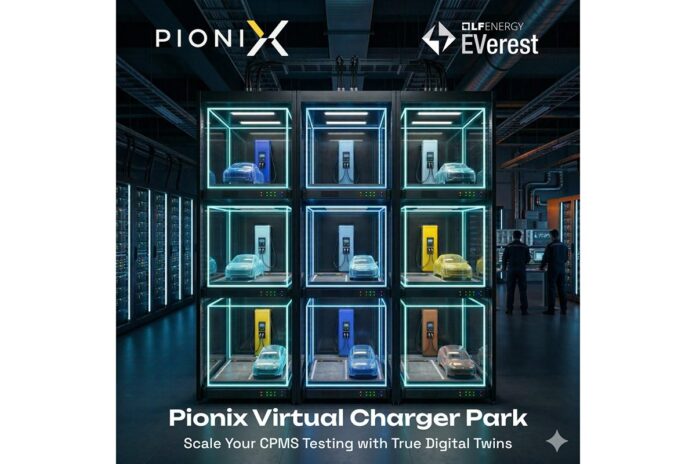
Charged EVs | Pionix’s new Virtual Charger Park offers EV charging infrastructure testing with true digital twins

0


Pionix, a provider of open-source EV charging software, has launched a new cloud-native software platform that enables charge point operators and charging management providers to create digital twins of charging stations and EVs for load testing and real-world scenario validation.

Pionix’s Virtual Charger Park (VCP) enables technicians to instantly spin up thousands of virtual chargers for rigorous load testing. Each instance is configurable, allowing users to simulate diverse charger types without touching a physical test bench.

At the heart of this system is EVerest, a universal open-source firmware stack that serves as a proxy for the entire hardware ecosystem. Testing against EVerest enables developers to test against a standardized software stack, ensuring interoperability across a vast range of physical chargers without no need to have physical units in a lab.

Pionix’s VCP runs 100% production-grade EVerest code, ensuring that if a protocol sequence or state transition works within the VCP, it is practically guaranteed to work in the field.

Key VCP features:

  • Massive scalability: Spin up 1 to 10,000+ virtual chargers in minutes to stress-test backends under unprecedented loads.
  • Full protocol spectrum: Native support for AC/DC/V2G, OCPP 1.6/2.0.1/2.1, ISO 15118-2/-20, and Plug & Charge.
  • OCPP golden SUT: Officially selected by the Open Charge Alliance as an OCPP implementation that helps OCA to continuously validate their official test tool (OCTT) and the official OCPP test cases.
  • Automated CI/CD: Use simulation APIs to script regression tests and inject failures on every code commit.

“The VCP removes physical constraints entirely,” said Dr. Marco Möller, CEO of Pionix. “We are providing the industry with a tool that matches the velocity of software innovation. If it works in the VCP, it works in the field.”

Pionix will host a live deep-dive webinar on Wednesday, April 29th, at 17:00 CEST.

Source: Pionix


Source link

Charged EVs | EV Realty opens Inland Empire truck charging hub with 76 ports and 9 MW of power capacity

0


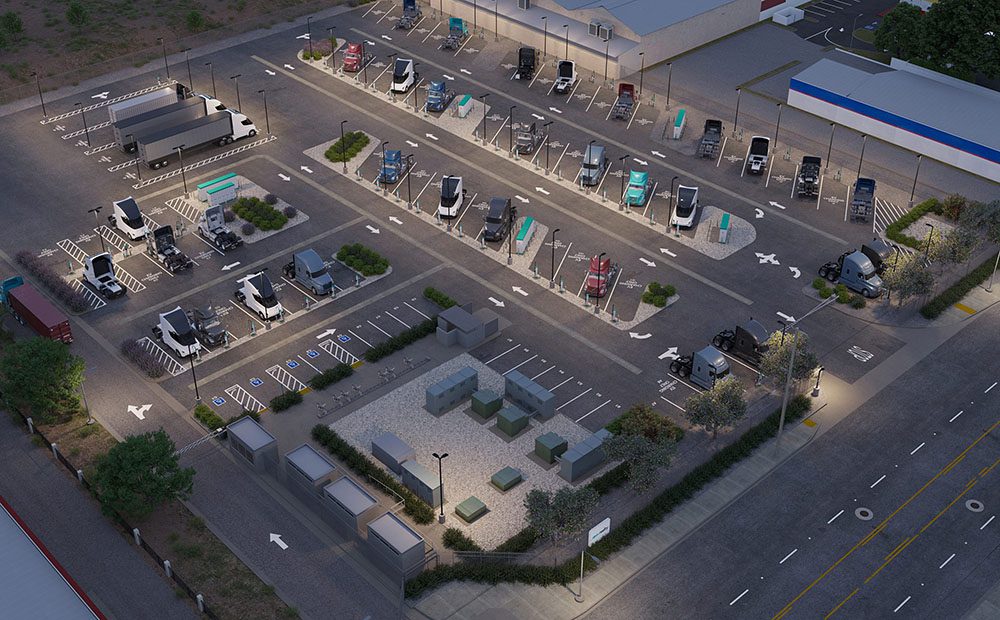
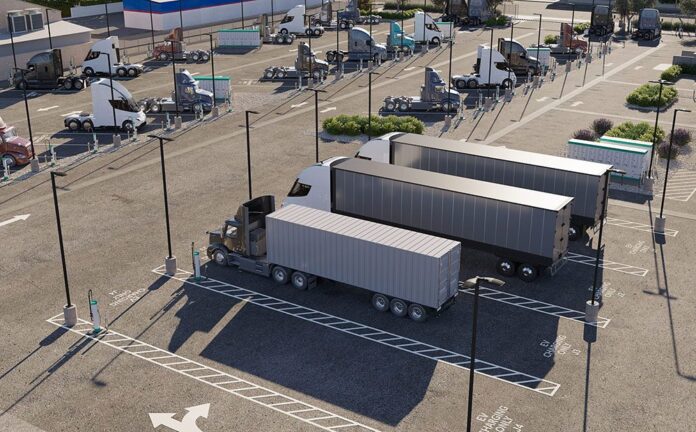
EV Realty has opened its flagship multi-fleet truck charging hub in San Bernardino with 76 high-power charging ports and 9 MW of capacity, sufficient to serve over 200 medium- and heavy-duty trucks per day. The site is designed to serve all makes and models of medium- and heavy-duty trucks with both CCS and MCS charging ports.

The site is strategically located near the San Bernardino Intermodal Facility, in an area that is home to nearly 17,000 medium and heavy-duty trucks. It sits near Interstates 10 and 215, along a major freight lane from the Ports of Los Angeles and Long Beach.

The site is purpose-built for logistics operations—technology and operational design choices have been informed by fleet customers. Charging hardware from Kempower allows charging at up to 1.2 MW with MCS and 500 kW with CCS. Software and fleet management tools powered by Synop provide power management, reservations, reporting, and fleet insights on cost, range and efficiency. On-site staff, security, parking and on-site amenities are available 24/7.

Announced customers include national carrier J.B. Hunt Transport, beverage distributor Gate City Beverage, and Nevoya, a fully electric carrier.

“The Inland Empire is where freight from the Ports of Los Angeles and Long Beach gets sorted and sent across the country by truck and rail,” said EV Realty CEO Patrick Sullivan. “Fleets operating here are doing some of the most important and demanding work in the supply chain. They need reliable and affordable access to high-power charging so that they can move beyond pilots and make electrification a real business decision. That’s exactly what we’ve built here.”

“EV Realty has been a great partner for us. Their unique design and business model allows carriers like us to optimize our operations with cost-effective charging and logistics solutions,” said Nevoya Chief Commercial Officer John Verdon. “The opening of this site provides valuable operational flexibility with both megawatt charging and vehicle domicile options that work well for our needs.”

Source: EV Realty


Source link

Charged EVs | Fraunhofer IISB develops 750 kW hairpin winding traction motor for hybrid-electric regional aircraft, achieving 8 kW/kg

0


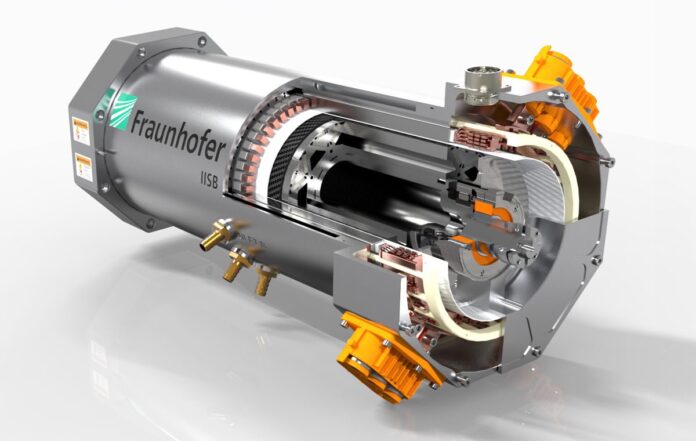
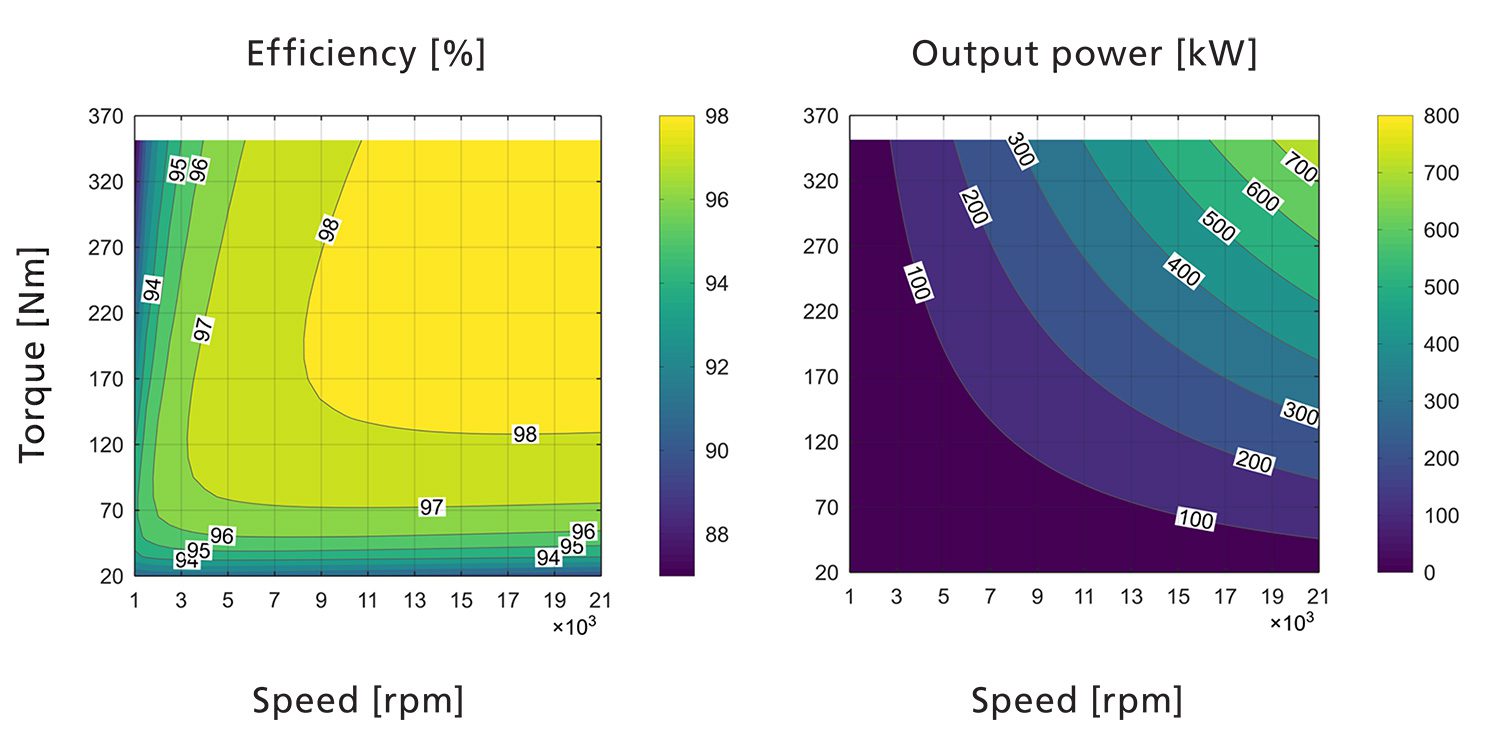
Fraunhofer IISB has developed a 750 kW permanent-magnet traction motor for hybrid-electric regional aircraft, hitting 8 kW/kg power density through a combination of thin-lamination electrical steel, hairpin windings and direct oil-spray cooling.

The machine uses NO15 (0.15 mm) electrical steel—a thin-lamination grade that reduces eddy current and AC losses at high rotational speeds—to support the 8 kW/kg target in a 94 kg package.

Spec Value
Rated power 750 kW @ 65 °C oil coolant
Rated speed 21,000 rpm
Torque 350 Nm
Power density 8 kW/kg
Weight 94 kg
Dimensions D 250 mm × L 600 mm
Electrical steel NO15 (0.15 mm)
Cooling Direct oil spray
Winding 4×3 phase hairpin, 4 independent sections

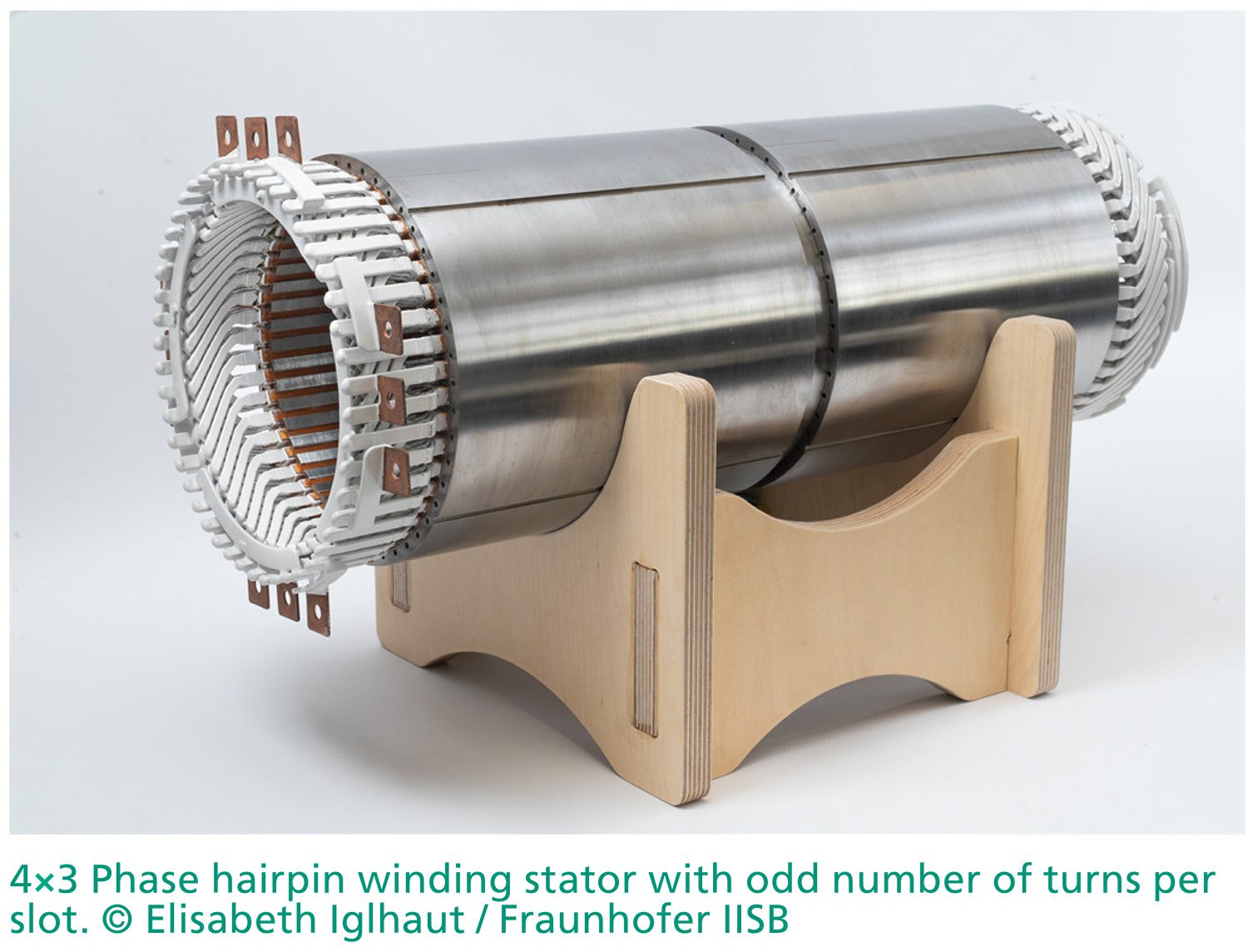
The stator uses a 4×3 phase hairpin winding arrangement with four electrically decoupled sections, each driven by its own inverter. Distributing the windings this way improves fault tolerance: a failure in one section doesn’t take down the others. Hairpin windings also allow higher current density in the slot and better thermal contact with the stator core than conventional round-wire coils. Direct oil spray cooling manages the resulting heat load, enabling rated power at 65 °C coolant temperature.

The motor is Fraunhofer IISB’s contribution to Project AMBER, a Clean Aviation EU program targeting a ~2 MW hydrogen fuel cell hybrid-electric propulsion system for regional aircraft. The architecture is a parallel hybrid, pairing the IISB motor/generator with Avio Aero’s Catalyst advanced turboprop engine. GE Aerospace is also part of the consortium. AMBER targets at least 30% CO₂ reduction at entry into service compared to 2020-era regional aircraft.

The motor was developed entirely at Fraunhofer IISB—concept, CAD, manufacturing, assembly and validation—in accordance with aerospace standards.

Source: Fraunhofer IISB


Source link

Charged EVs | Workhorse launches pricing promotion on W56 electric step vans

0


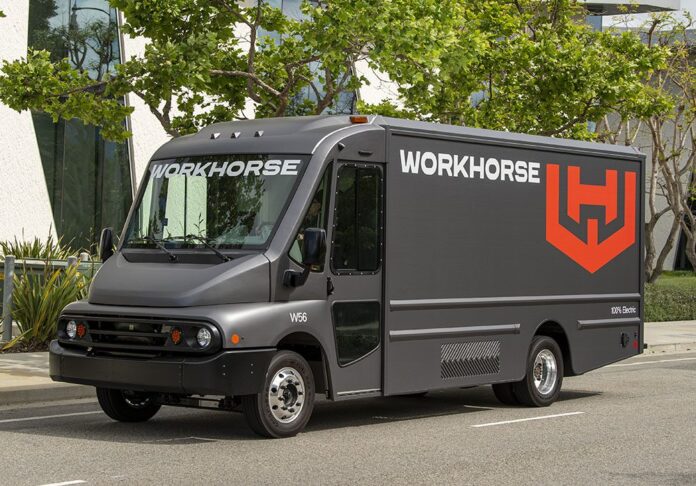
Gas and diesel prices are causing many a fleet operator to take another look at the EV options available. With impeccable timing, Workhorse Group, a North American manufacturer of electric trucks, step vans, shuttles and buses, has announced a limited-time pricing promotion on its W56 electric step van lineup.

Effective April 1 through September 30, 2026, customers can purchase W56 step vans at significantly reduced prices through any authorized Workhorse dealer:

  • The W56 Standard Wheelbase (178 inches) offers 1,000 cubic feet of cargo space and a payload of 10,000 lbs. New pricing starts at $196,000, a savings of $59,000 compared to the regular price.
  • The W56 Extended Wheelbase (208 inches) offers 1,200 cubic feet of cargo space and a payload of 9,000 lbs. New pricing starts at $204,000, a savings of $61,000.

Both configurations come with a 210 kWh battery pack.

Workhorse recently announced a 140 kWh version of the W56 in both wheelbase options, with an estimated range of 100 miles, slightly more payload capacity, and a base price of $169,000.

All models of the W56 lineup are produced at Workhorse’s manufacturing facility in Union City, Indiana. Workhorse sells its vehicles through a national dealer network.

The lower prices are enabled in part by synergies realized through Workhorse’s December 2025 merger with Motiv Electric Trucks. The combined company has worked to drive down production costs through economies of scale, operational and supply chain efficiencies and build cost reductions.

Cost for all models can be further reduced by state incentive programs. California’s HVIP program offers between $60,000 and $80,000 for qualifying vehicles. Washington state’s soon-to-be-launched WAZIP program offers incentives from $60,000 to $100,000. Other states offer lower, but still significant, incentive amounts. Combining these incentives with the promotional pricing can significantly reduce, or in some cases eliminate, the price difference between an electric step van and a legacy gas-powered one.

Workhorse has demonstrated 64 percent operating cost savings compared to ICE vehicles in its Stables by Workhorse fleet.

“We know exactly what this oil price environment is doing to fleet operators, because we live it every day,” said Scott Griffith, CEO of Workhorse. “Through Stables by Workhorse, our own FedEx Ground ISP operation, we see firsthand how fuel costs are hammering route economics. Lowering the purchase price of the W56 is one of the most direct ways we can help our customers. As package delivery companies typically plan months in advance of the busy holiday season, there’s never been a better time to add electric trucks to their fleets.”

Source: Workhorse Group


Source link

Charged EVs | Amorim Cork Solutions introduces cork composite for EV battery thermal runaway management

0


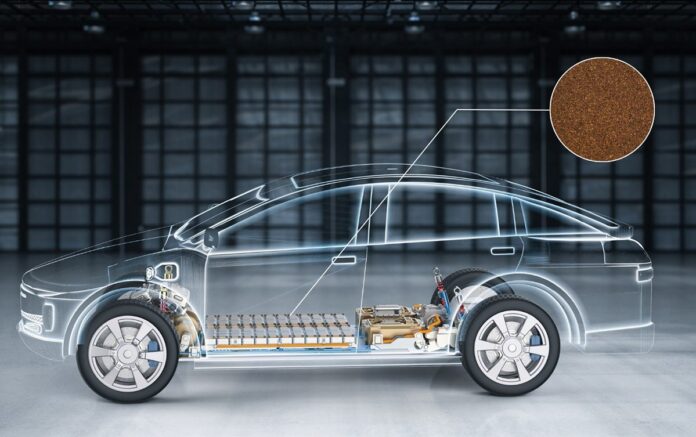
Amorim Cork Solutions has developed ETP058, a cork-based engineered composite for use between and around battery cells in EV and energy storage systems, combining thermal insulation, flame resistance and mechanical compressibility in a single material.

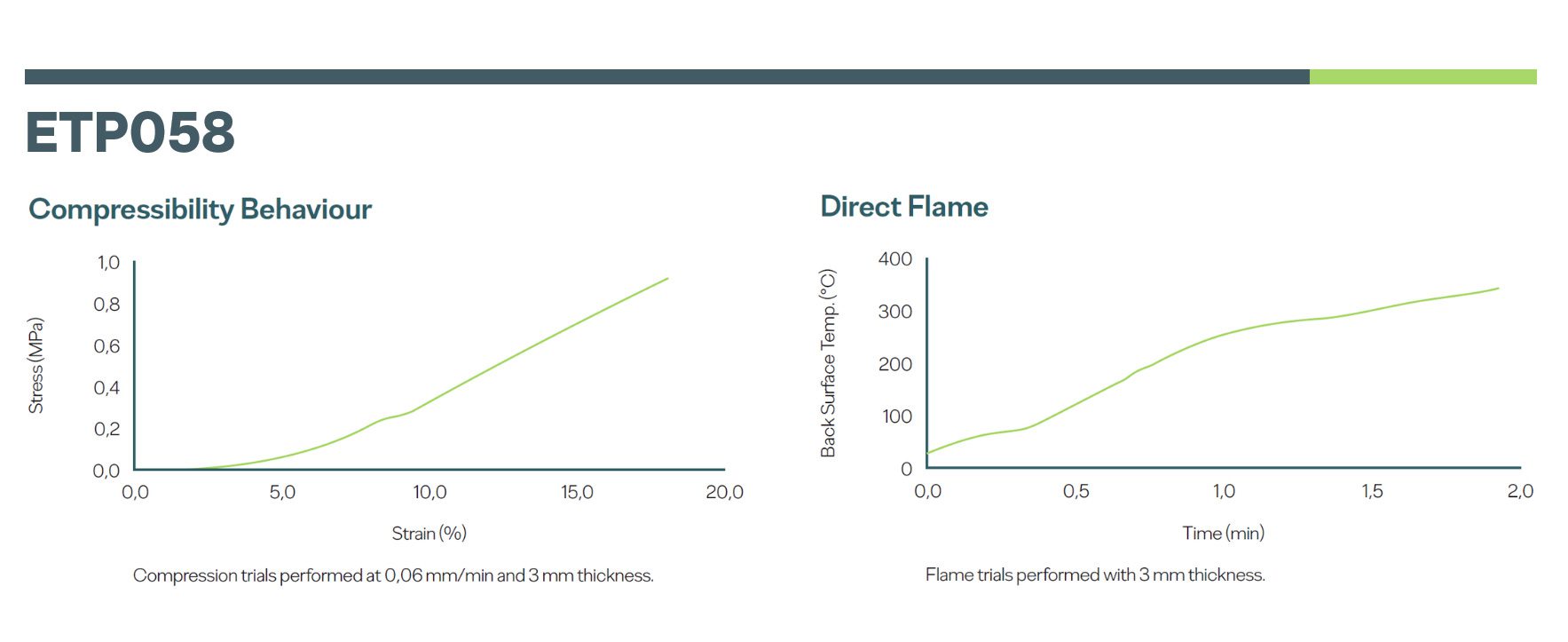
The composite has a thermal conductivity of 0.054 W/m·K and meets UL94 V-0 flammability rating for samples thicker than 2 mm. Flame exposure testing at temperatures approaching 1,000 °C showed a gradual and controlled rise in backside temperature, which Amorim says demonstrates the material’s ability to slow inter-cell heat transfer during a thermal runaway event. ETP058 also compresses under mechanical load, allowing it to maintain contact and structural stability within a module during high-temperature events.

ETP058 combines cork granules with a fire-retardant formulation. Cork’s microcellular structure provides naturally low thermal conductivity, resilience and low weight—properties that translate to cell-separator and module-enclosure applications where mass and compressibility both matter. Cork is harvested from the bark of the cork oak without felling it, making it a renewable raw material.

The material targets thermal runaway containment in both EV battery modules and stationary energy storage systems. Amorim has not announced specific customer programs or a commercial availability date for ETP058.

Source: Amorim Cork Solutions


Source link

Charged EVs | Integrals Power secures UK government funding to scale LFP and LMFP cathode production to 1,000 tonnes/year

0


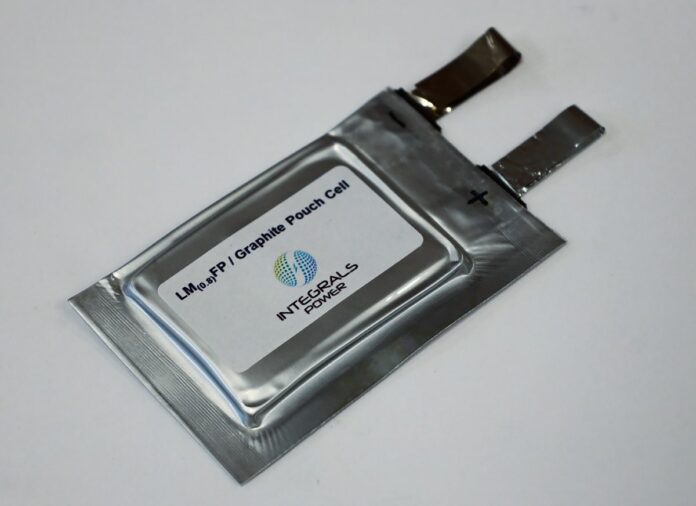
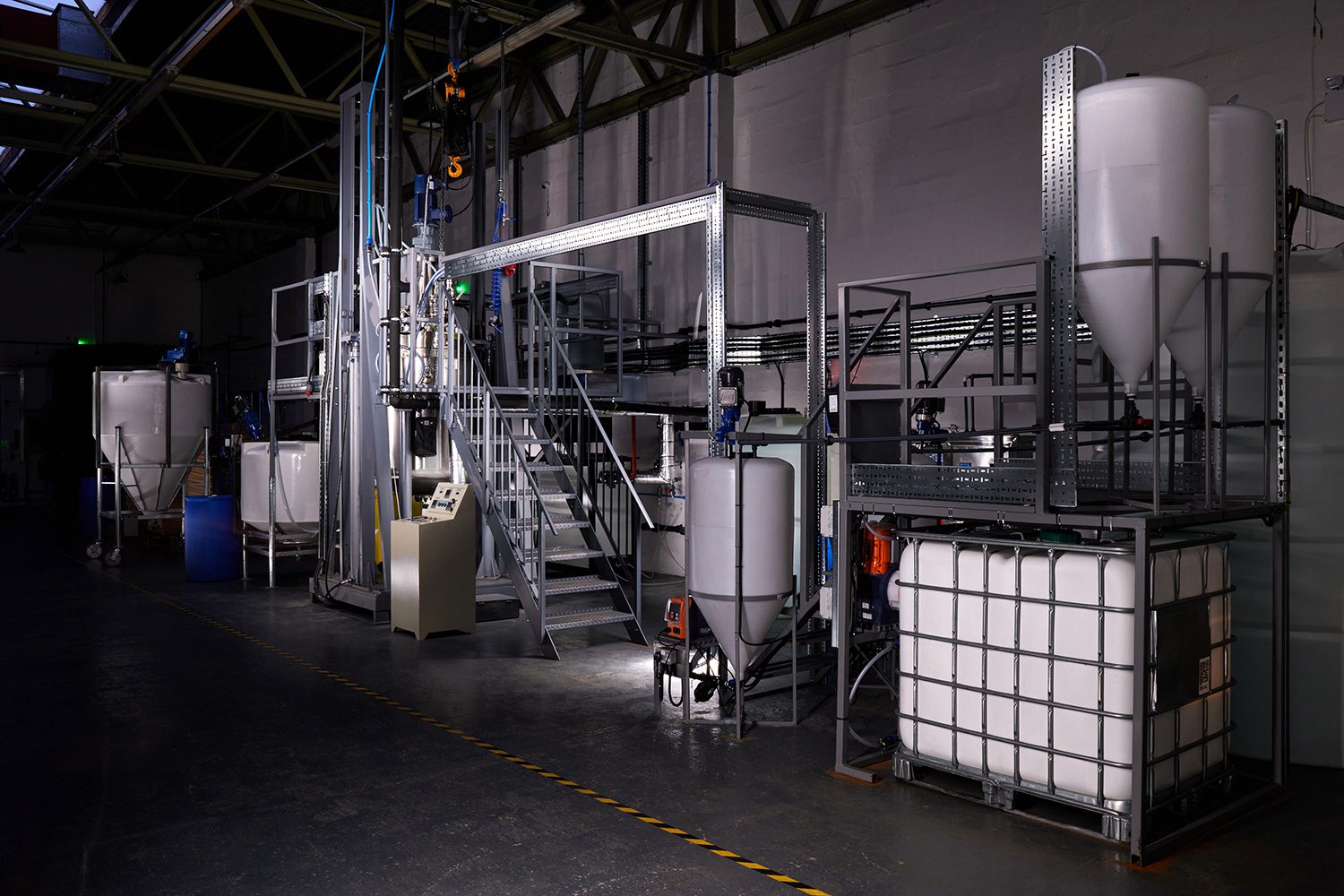
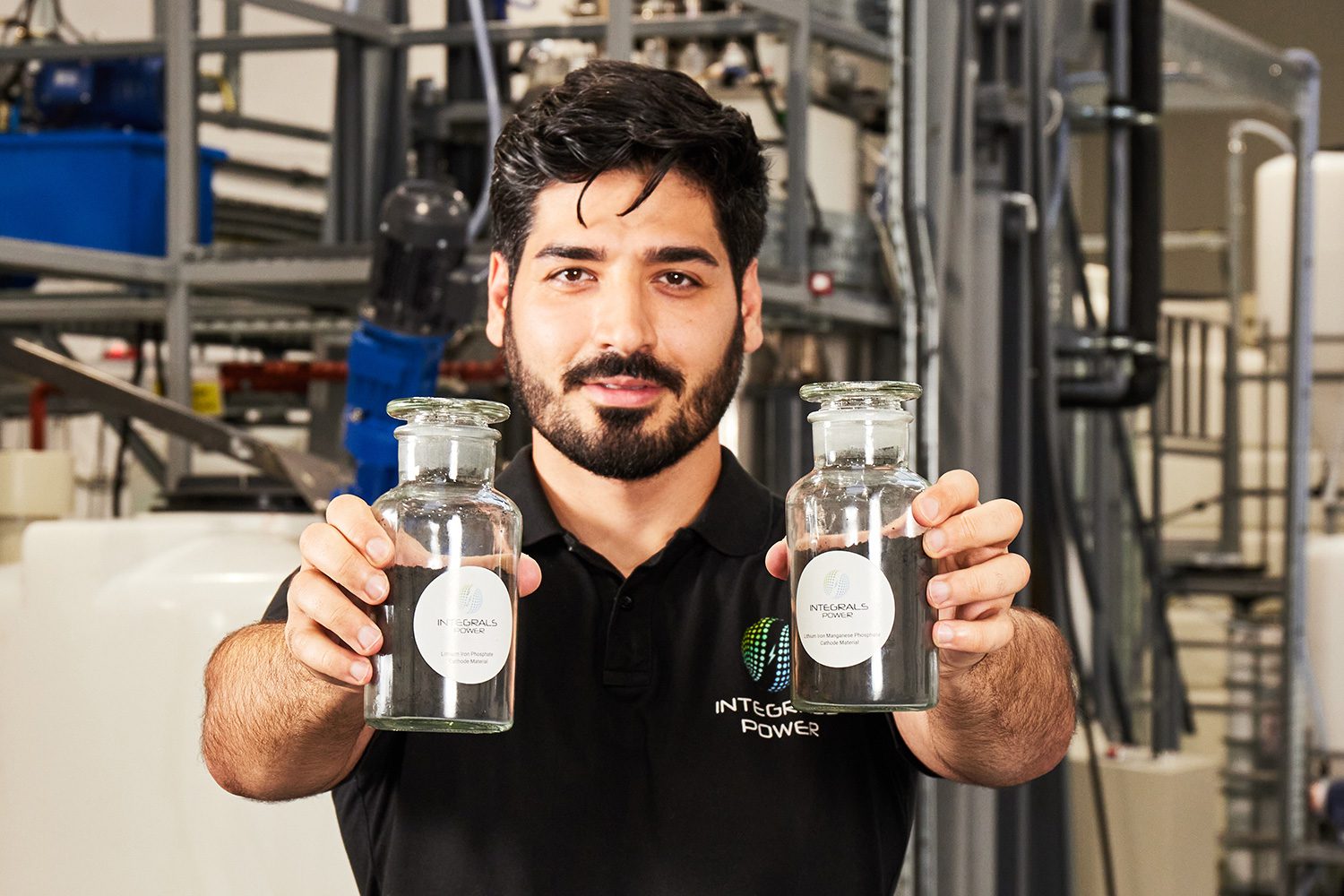
Integrals Power has secured funding under the UK government’s DRIVE35 Scale-up Feasibility Studies competition to assess scaling its LFP and LMFP cathode active material production—a program the company calls Project CATMAN.

The study will map the manufacturing pathway from Integrals Power’s existing 20 tonne/year UK pilot line to a 100 tonne/year demonstration facility, with full engineering readiness for a 1,000 tonne/year commercial line. The pilot already produces both LFP and LMFP cathodes. DRIVE35 is delivered by the Department for Business and Trade in partnership with the Advanced Propulsion Centre UK and Innovate UK, and is part of the UK government’s Advanced Manufacturing Sector Plan, which makes £4 billion available to 2035 for automotive R&D and scale-up.

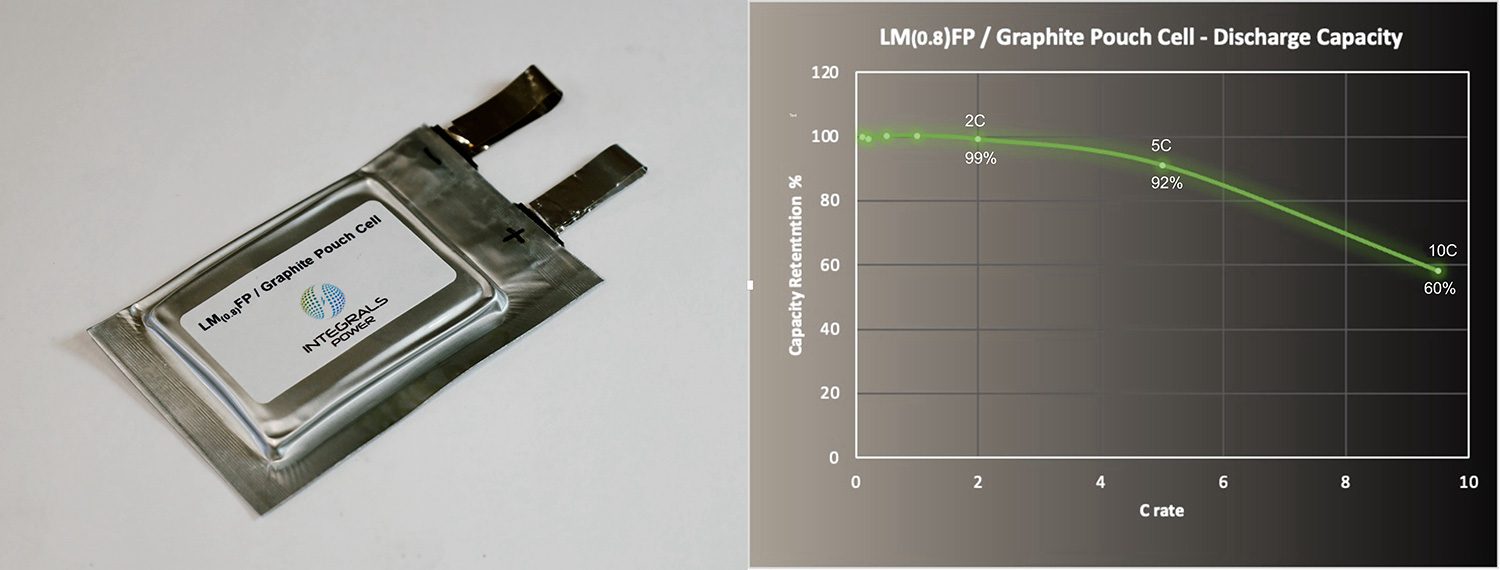
Integrals Power’s LMFP uses 80% manganese content to deliver 20% higher energy density than conventional LFP while retaining LFP’s safety profile, cycle life and cost structure. Unlike NMC chemistries, it contains no cobalt or nickel. Independent cycle life testing by QinetiQ has exceeded 1,500 charge-discharge cycles at 1C rate with nearly 80% capacity retention. Cold temperature testing by Cranfield University showed 85% retained capacity at -25 °C and 68% at -30 °C, results the company says significantly outperform current LFP and LMFP benchmarks.

Almost all current LFP and LMFP cathode production is based in China, which introduced export restrictions on these materials and manufacturing processes last year. From 2027, EU Battery Passports come into effect and UK-EU rules of origin requirements tighten for EV batteries, requiring 65% of cell value and 70% of battery pack value to originate in the UK or EU to avoid 10% tariffs. A domestic cathode supply chain is shifting from competitive advantage to regulatory necessity.

“Our LMFP material has already proven itself in independent testing by QinetiQ—now we need to prove the manufacturing process at scale, and that is exactly what this program will deliver,” said Founder and CEO Behnam Hormozi. “The UK has a genuine opportunity to establish manufacturing for these strategically important cell chemistries outside of China, and this funding is a critical step in enabling that to happen.”

Source: Integrals Power


Source link

Charged EVs | XCharge and JOJO launch 9 new public EV charging sites in Chicagoland

0


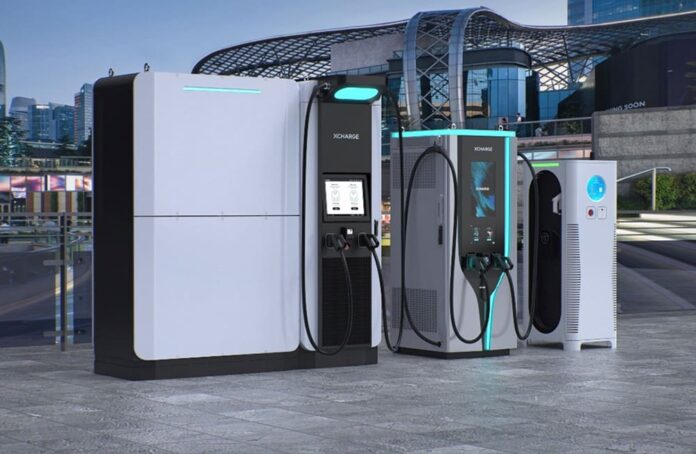
Battery-integrated EV charging specialist XCharge North America and EV charging operator JOJO Superfast EV Charging will collaborate to deploy nine new public EV charging sites in Illinois.

The two companies will bring 800 kW of ultra-fast charging capacity to nine initial locations in the Chicagoland region, located at branches of the home improvement chain Menards.

XCharge NA will manufacture the chargers and oversee site construction from concept to completion through its turnkey solutions team.

Each site will feature four C6 Smart DC Fast Chargers, providing a total of eight charging ports per location. Charging stations at Menards locations in Crestwood and Bridgeview are now operational, and seven more are scheduled to come online by the end of this year.

“For too long, residents of the South Side of Chicago have been plagued by range anxiety, but today, we’re changing that narrative,” said Joe Sheehan, CEO of JOJO Superfast. “Our goal at JOJO’s is to build the most accessible ultra-fast network in the state, and XCharge’s unmatched technology and hardware are the keys to making that scale possible.”

Source: XCharge


Source link

Charged EVs | Michigan achieves NEVI fully built out status, unlocking $51 million in additional funding for public EV charging

0


Michigan has reached a milestone in its implementation of the National Electric Vehicle Infrastructure (NEVI) program, unlocking the remaining funds for the state’s EV charging buildout.

The Federal Highway Administration (FHWA) has approved the state’s fiscal year 2026 EV Infrastructure Deployment (EVID) Plan, and Michigan has received “fully built out” certification under the NEVI program.

The first phase of the NEVI program requires states to build fast chargers along designated highway corridors. Michigan has achieved this, and can now use the remaining $51 million of its $106 million in NEVI funding in a more flexible way, addressing geographic gaps, charger reliability, user experience, medium-duty vehicles and fleets, and other charging priorities.

The Michigan Department of Transportation (MDOT) is working to deploy 83 NEVI-funded charging stations across the state following the first two funding rounds. A third round of applications will soon open, and the agency is soliciting public input.

Source: Electrek


Source link

Charged EVs | H55 delivers certifiable battery modules to BRM Aero for electric aircraft trainer program

0


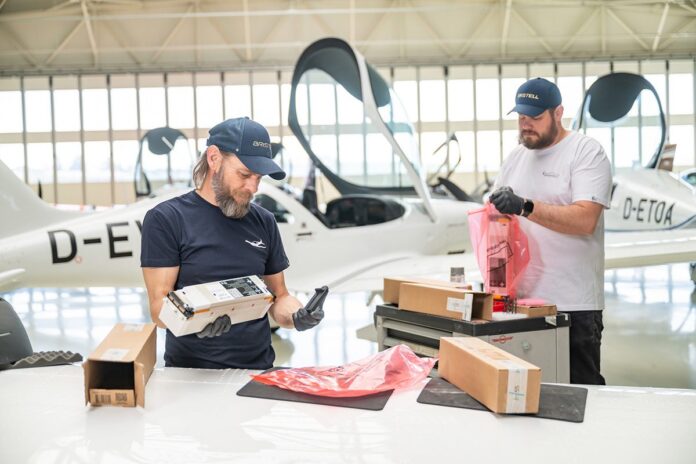
H55 has delivered conforming certifiable battery modules to BRM Aero for the Bristell B23 Energic, a fully electric aircraft aimed at the pilot training market.

In aviation certification, conforming hardware refers to components built to the proposed type design—used for official integration testing rather than prototype work. The delivery moves the B23 Energic program into mechanical integration and aircraft-level validation of the electric propulsion system. First customer deliveries of the aircraft are planned for late 2027; production capacity for the first two years is already secured based on orders from customers in the US and Europe.

The B23 Energic targets flight schools as an electric alternative to conventional piston trainers. BRM Aero says it offers zero-emission operations, quieter flights, lower energy consumption and simplified maintenance—a useful combination for operators running intensive training schedules.

H55 was founded from the technical legacy of the Solar Impulse program and has accumulated more than 2,000 hours of fully electric flight with zero battery-related incidents. The company converts commercial lithium cells into aviation-safe energy storage systems certified for use across multiple aircraft programs, with certification evidence carrying over between programs to reduce adoption risk for subsequent customers.

“The delivery of conforming modules marks a key step toward commercializing the Bristell B23 Energic,” said H55 CEO Rob Solomon. “With strong market demand already materializing, we are now moving decisively from development into scaled execution.”

“Working with H55 allows us to integrate a propulsion solution that meets both certification and operational requirements,” said BRM Aero CEO Martin Bristela.

Source: H55


Source link

Charged EVs | Volvo CE enters serial production of A30 Electric and A40 Electric articulated haulers

0


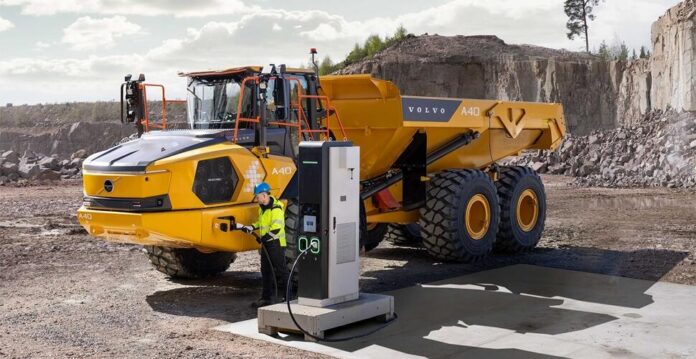
Volvo Construction Equipment has started serial production of its A30 Electric and A40 Electric articulated haulers at its Braås facility in Sweden, becoming the first manufacturer to bring electric articulated haulers of this size into serial production.

The A30 Electric has a 29-tonne payload; the A40 Electric handles 39 tonnes. Both can operate for up to six hours on a single charge, depending on application.

There’s some symmetry in the location. Braås is where Volvo CE built Gravel Charlie, the world’s first articulated hauler, in 1966. Sixty years later, the same facility is now producing the first electric articulated haulers at this payload class.

Articulated haulers are high-utilization, energy-intensive machines used in quarrying and mining—applications where continuous duty cycles make diesel consumption significant. Volvo CE says the A30 Electric and A40 Electric offer meaningful emissions reductions alongside total cost-of-ownership advantages. First deliveries go to customers in the UK and Norway in the coming weeks, with additional deliveries to selected European customers planned for the second half of 2026.

“This milestone proves that electric solutions are ready to meet the demands of heavy, high-productivity applications, and that meaningful change is underway,” said President Melker Jernberg.

“Customer interest since Bauma has been strong, with demand extending beyond the initial production schedule,” said Fredrik Tjernström, Electromobility Solutions Sales at Volvo CE.

Source: Volvo CE


Source link