Tuesday, April 21, 2026
12.3 C
London
Home Blog Page 6

Charged EVs | Foxconn’s Pan-International invests €35.5M in Belgian axial flux motor maker Magnax

0


Pan-International Industrial Corp, a member of the Foxconn Group, along with Foxconn and incoming management co-investors, will invest €35.5 million in Belgian motor company Magnax. Pan-International will become Magnax’s largest shareholder following FDI approval and transaction completion.

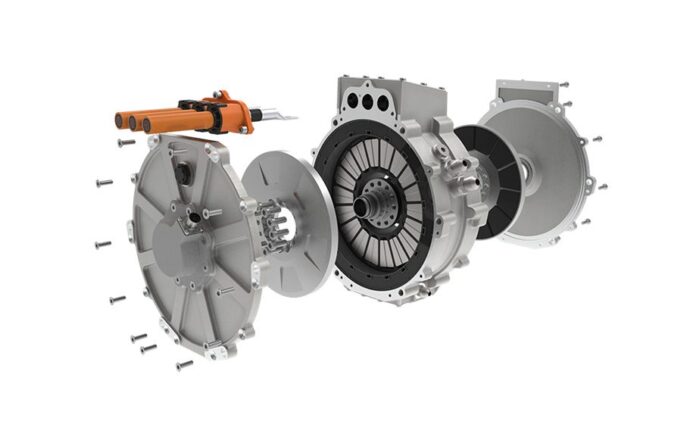
Magnax develops yokeless axial flux motors—a topology where magnetic flux runs parallel to the rotation shaft rather than radially outward, enabling a shorter, flatter form factor with higher torque and power density than equivalent radial flux machines. Removing the iron stator yoke further cuts weight and reduces core losses. Founded in 2015 and previously backed by €29 million across two earlier rounds, the company has 30 engineers in Belgium and operates Traxial, a subsidiary focused on e-mobility. Target markets include electric vehicles, industrial drives, robotics, machine automation and aerospace.

MORE: A closer look at axial flux motors

The new capital funds industrialization and high-volume production. Magnax’s headquarters and R&D stay in Belgium; volume manufacturing will be built in China using the Foxconn Group’s supply chain infrastructure and customer access. A new CEO from China with extensive international industrial experience will lead the commercial scaling phase.

“Axial flux motors have a fundamentally better value proposition in several high-performance use cases,” said Peter Leijnen, cofounder of Magnax. “Their high torque density and efficiency enable customers to reduce weight and size of their end products. Lower material usage and higher efficiency translate directly into lower system cost and reduced carbon emissions.”

“With Foxconn’s manufacturing scale and industrial ecosystem, Magnax gains the operational foundation required to deploy axial flux motor technology across global markets,” said Daan Moreels, cofounder of Magnax.

Source: Magnax



Source link

Charged EVs | Three hydrogen buses join 203 battery-electric buses in Sardinia’s capital

0


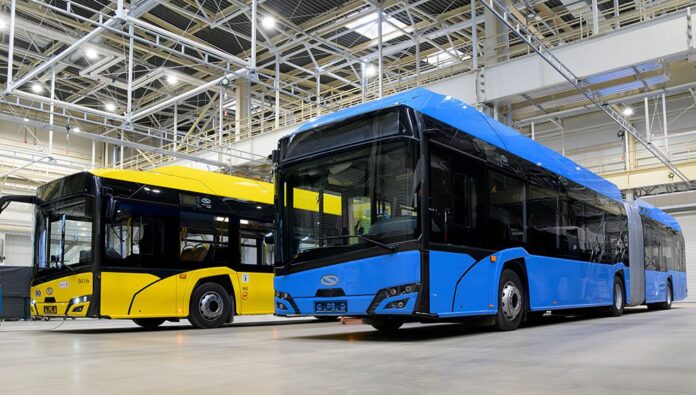
Cagliari, the capital of the Italian island of Sardinia, has deployed 3 Solaris Urbino 12 Hydrogen buses, part of a batch of 15 vehicles funded and procured through central purchasing body Consip.

Transport agency CTM Cagliari now operates 236 electrified vehicles, including 203 battery-electric buses, 30 trolleybuses and the 3 new fuel cell buses. The fleet’s charging network includes 50 Level 2 charging systems and 22 DC fast charging systems.

The agency aims to operate a fully zero-emission urban fleet by 2030.

CTM’s new hydrogen vehicles are intended to operate on longer suburban routes. The Solaris Urbino 12 Hydrogen model is 12 meters long, and has a capacity of 95 passengers. It features a 30 kWh battery pack using LTO chemistry, supplied by Impact Clean Power Technology. This supports a 70 kW Ballard fuel cell. The tank has capacity for 37 kg of hydrogen in five 312-litre cylinders.

“The hydrogen buses we present today are the first in Sardinia,” said Fabrizio Rodin, President of CTM. “We approach them with great interest and we will carry out our evaluations with the seriousness that this type of innovation requires.”

Source: Sustainable Bus


Source link

Charged EVs | Chinese automaker BYD plans to open 20 Canadian EV dealerships within a year

0


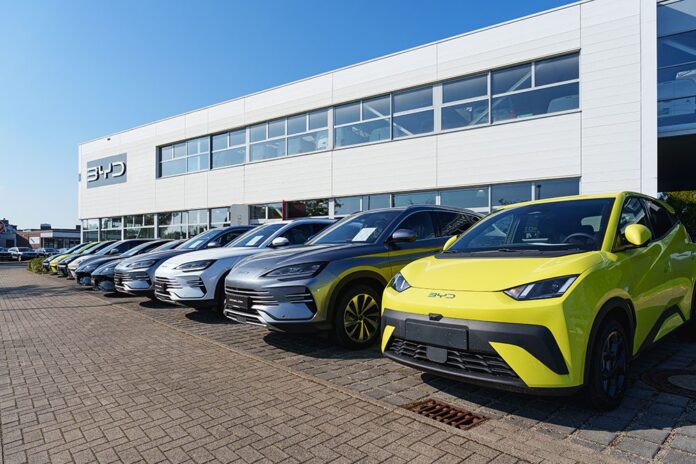
Following the rupture between the US and Canadian arms of the North American auto industry, Canada reversed years of industrial policy and slashed tariffs in order to allow a limited number of Chinese EVs into its market. Chinese automakers are losing no time in taking advantage of the opportunity.

Chinese EV giant BYD has announced plans to open 20 branded dealerships in Canada within a year. The Globe and Mail reports that BYD has hired Dealer Solutions Mergers & Acquisitions, an Ontario-based automotive retail consultancy, to find dealership locations across the country. “They’ve asked us to help them find as many of the 20 that they possibly can, but they’re out there doing that themselves as well,” said CEO Farid Ahmad.

The Globe reports that three locations in the Greater Toronto Area are already under discussion, and that BYD’s future plans include forays into Vancouver, Montreal and Calgary.

Other dragons are circling. Carscoops reports that Chery Automobile is also working to build an independent dealership network in Canada.

The trade deal Canada made with China in January cut the tariff on Chinese-built EVs from 100% to 6.1%, but also imposed a cap of 49,000 Chinese-made EVs in the first year, and prioritizes EVs with prices under $35,000—such as BYD’s Atto 3 compact SUV or Dolphin hatchback.

Electrek’s Fred Lambert calls the news “one of the most consequential developments for the Canadian auto market in years,” and adds that “this isn’t a tentative toe-dip, it’s a full-scale market entry.”

The big question is: How long will Canada stick to the 49,000-unit import cap, which applies collectively to all Chinese automakers? This may include not only Chery, but Tesla, which hopes to export Model 3s from Shanghai. A fraction of 49,000 units might not give BYD enough volume to keep 20 stores busy. But the deal includes provisions to raise the cap after the first year, and BYD is probably betting that, once Canadian consumers get a load of its moderately-priced EVs, the government will start feeling pressure to raise the cap.

It all sounds like good news for Canadian car buyers, good news for BYD and other automakers that are able to seize the opportunity, and some much-needed good news for our atmosphere once a few thousand more EVs hit the roads. It may also present an opportunity for shady dealers who can find ways to sneak a few Chinese EVs across the border.

It’s absolutely awful news for Detroit.

Sources: The Globe and Mail, Electrek
Image: Aleksandr Fedosov – stock.adobe.com


Source link

Charged EVs | Rimac Technology to build BMW i7 battery system in Zagreb, marking first Gen6 cylindrical cell deployment

0


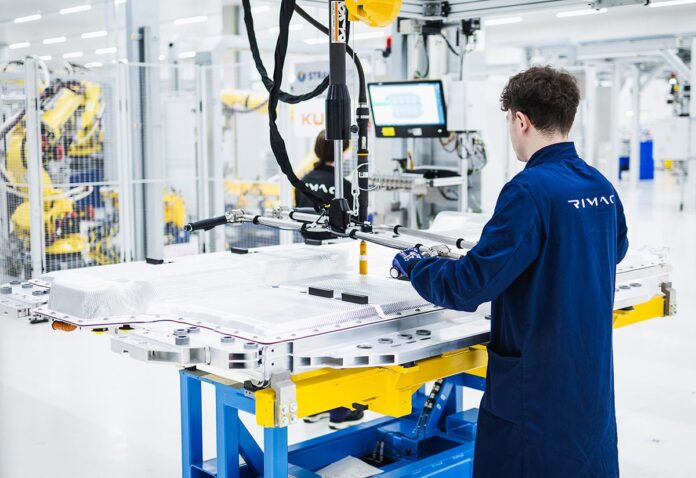
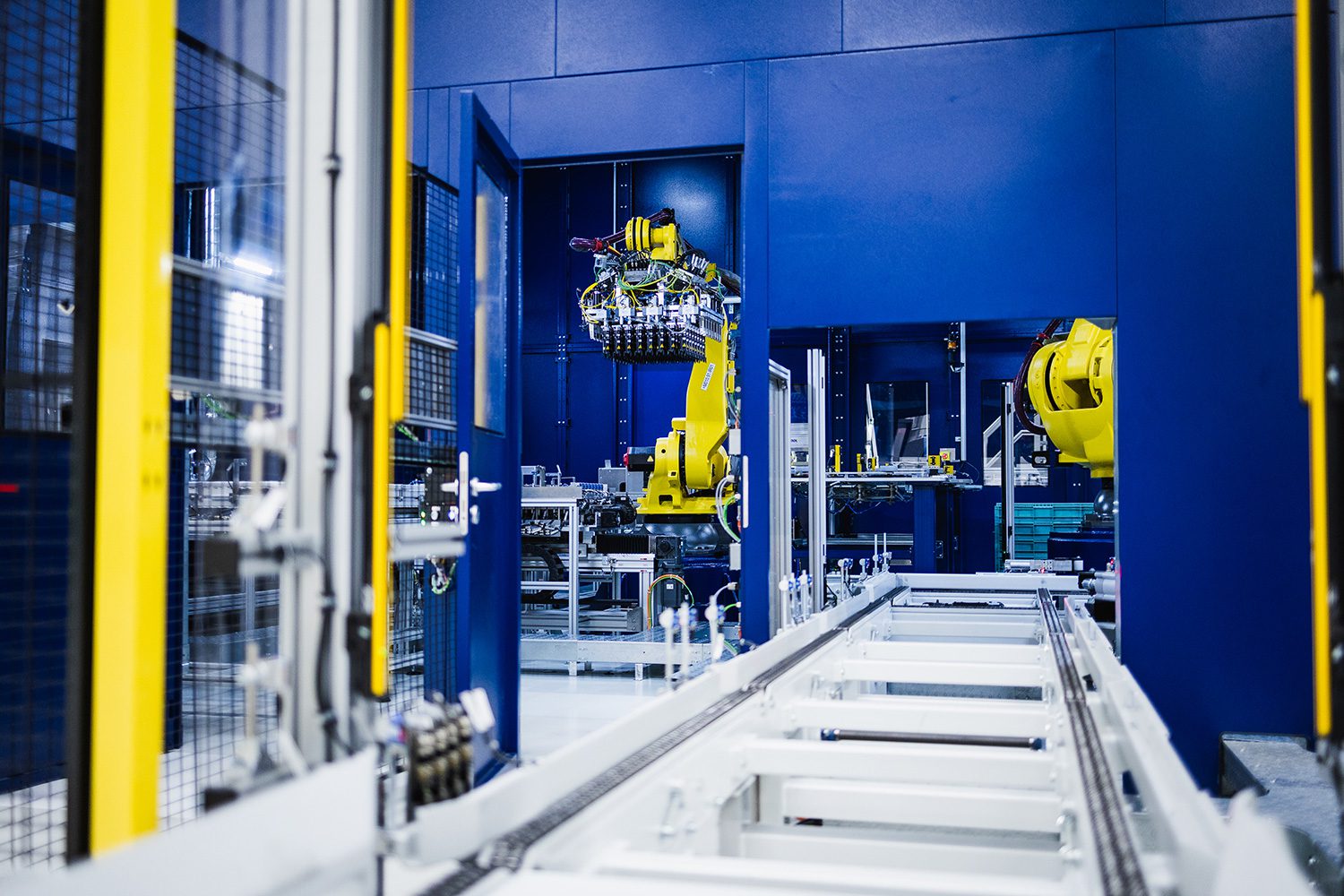
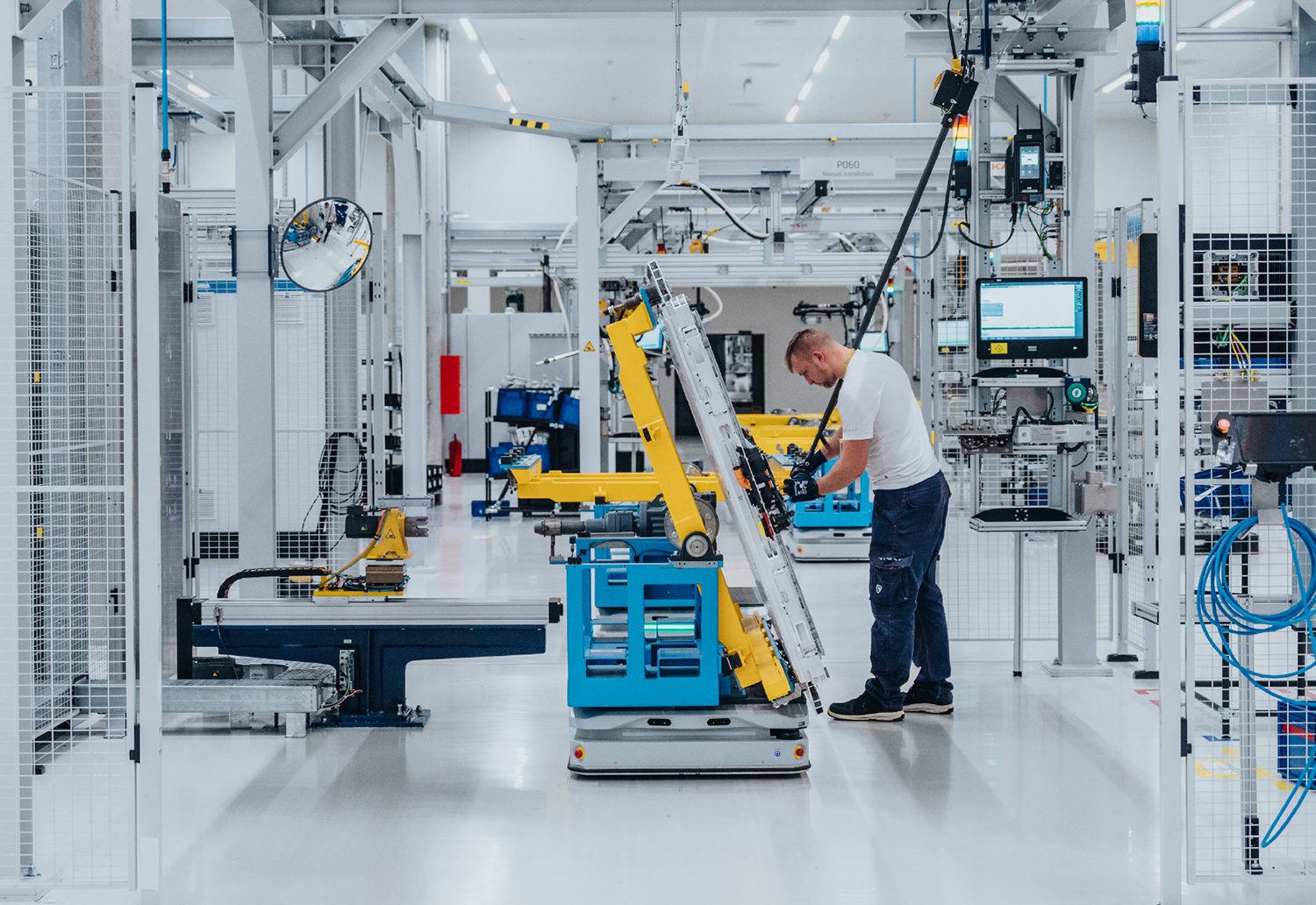
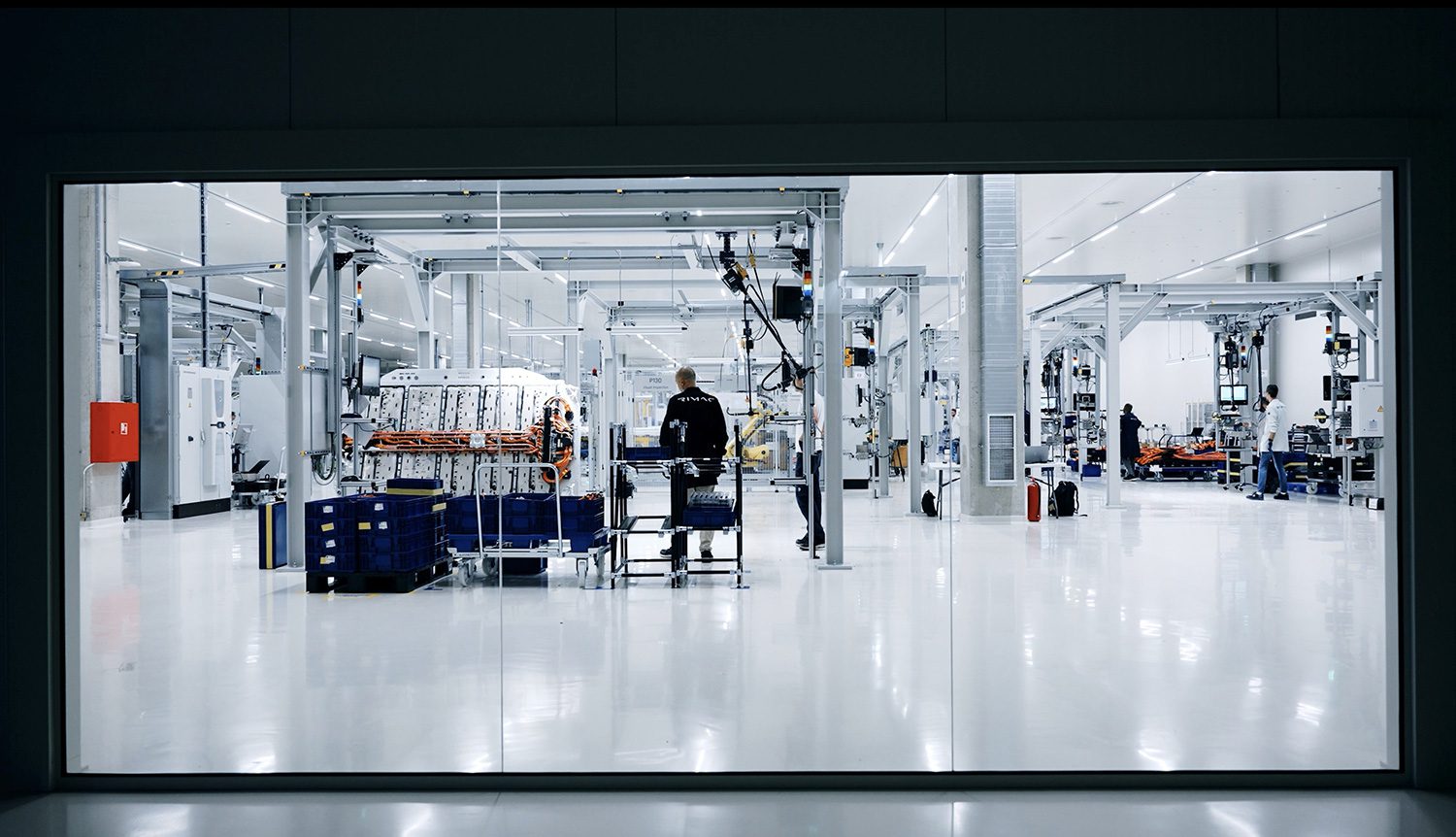
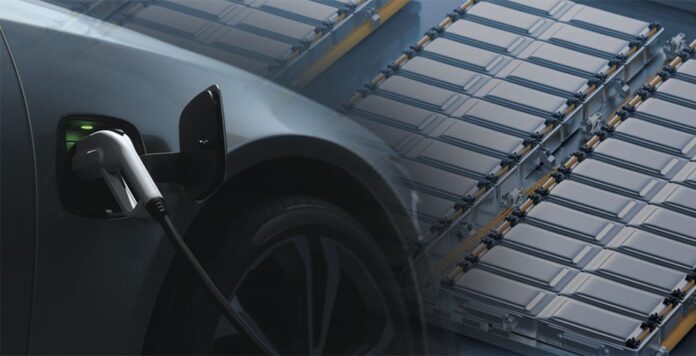
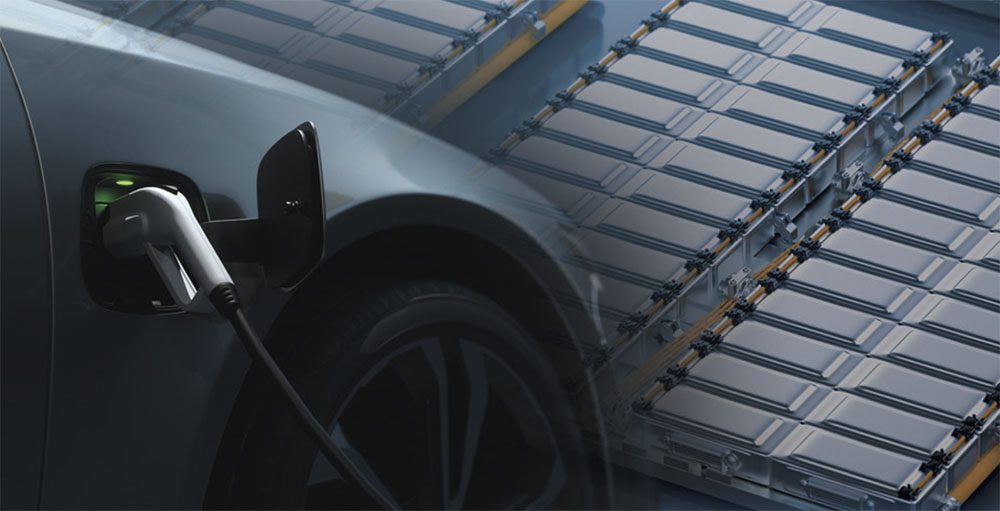
Rimac Technology will manufacture the battery system for the new BMW i7, with the car set to make its world premiere at Auto China 2026 in Beijing on April 22. It’s the first BMW Group BEV to feature Gen6 4695-format cylindrical cells—combined with Gen5 module-based technology in a scalable architecture—and the first production vehicle to emerge from the two companies’ technology partnership, established in 2023.

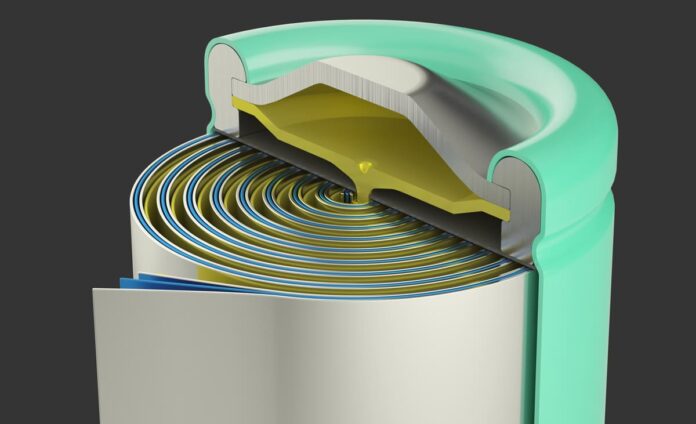
The 4695 format (46 mm diameter, 95 mm height) is BMW’s latest cylindrical cell, developed as part of the Neue Klasse architecture. The jointly developed system integrates those cells into a Gen5 module structure, delivering what the companies describe as significant improvements in energy, range and charging performance.

Production is entirely at the Rimac Campus near Zagreb. Rimac built two full production lines and an end-to-end supply chain for the program in just a few years—one of the largest industrial construction projects of its kind in Europe. The facility spans 90,000 m², and the area dedicated to this BMW program is 15,000 m². Seventy percent of the campus’s total capacity is committed to battery system production across multiple OEM programs.

“Together, we developed a high-voltage battery system that unlocks the full potential of the new cylindrical cells in record time, delivering significant improvements in energy, range, and charging performance,” said Mate Rimac, Founder and President of the Rimac Group.

Thomas Engelhardt, Senior Vice President Development High-Voltage Battery and Charging at BMW Group, said the company is “rapidly rolling out the technologies of the Neue Klasse across our entire model portfolio—naturally including our fully electric luxury sedan.”

Source: Rimac Technology


Source link

Charged EVs | Swedish EV charging provider Milepost acquires Mer’s AC charging stations

0


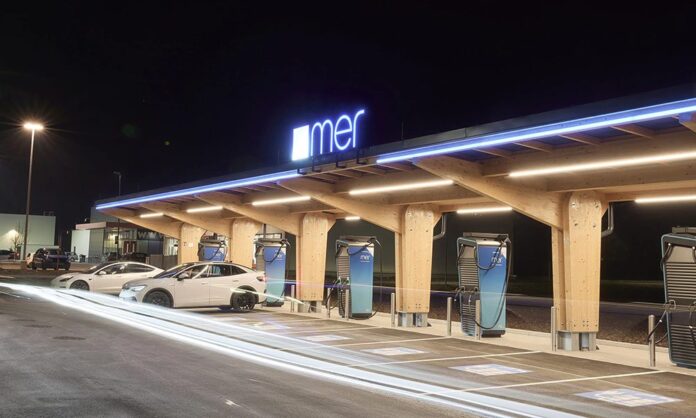
Swedish EV charging provider Milepost has acquired a network of AC charging stations from fellow charging provider Mer.

The acquisition comprises some 250 charge points across Sweden, from Åre in the north to Malmö in the south. Most offer charging power of 22 kW, but a few support speeds of up to 50 kW.

The two companies see the sale as a mutually beneficial agreement—Mer’s strategy is to fully focus on DC fast charging, while Milepost is strengthening its position in AC charging. Milepost aims to complete the integration of the acquired charging stations into its network by the early summer of 2026.

Following the acquisition, Milepost will have a presence in over 70 municipalities in Sweden, including new locales such as Malmö and Linköping.

“Mer has had an important role in the establishment of EV charging infrastructure in Sweden, and we are looking forward to further run and develop these sites,” says Milepost Head of Business Development and Operations Lars Isaksson. “At completion of the acquisition, we will have passed 1,000 charge points, and we will offer our services in an additional 37 municipalities.”

“Our strategy is to fully focus on [DC] ultra-fast public EV charging. We are therefore pleased to divest our AC charging stations to Milepost, who has the right focus to further develop these sites,” says Jesper Thyberg, Director of Network Management at Mer.

Source: Milepost


Source link

Charged EVs | South 8 Technologies lands $9.2M California grant to scale LiGas electrolyte production in San Diego

0


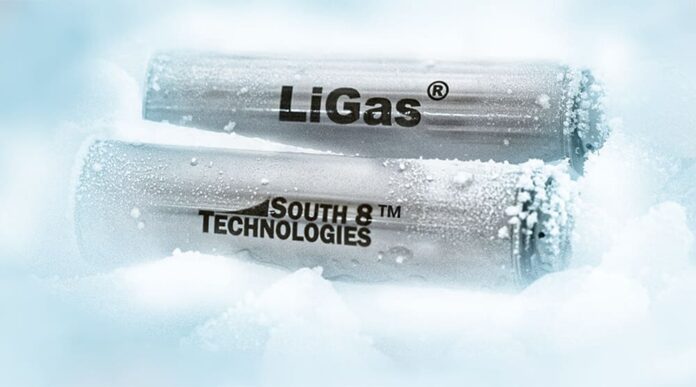
San Diego battery startup South 8 Technologies has executed a $9.2 million grant agreement under California’s PowerForward Battery Manufacturing program, funding expansion of its LiGas® liquefied gas electrolyte production at its San Diego headquarters. PowerForward is a $67 million California Energy Commission program, administered by CALSTART, aimed at attracting and retaining zero-emission vehicle battery manufacturing in California.

LiGas replaces conventional liquid electrolytes with a patented blend of liquefied non-toxic gases held under pressure. The technology delivers an effective operating range of –60 °C to +60 °C, with a freezing point below –100 °C — conventional electrolytes weaken at 0 °C and freeze at –20 °C. South 8 targets specific energy above 425 Wh/kg. The extreme-temperature performance is relevant both for cold-climate EV range and for defense and aerospace applications where standard cells fail.

Under the grant, South 8 plans to reach annual production capacity of 100 MWh of LiGas electrolyte and 2 MWh of battery cells at its San Diego facility. Cell manufacturing will be integrated with partner Nanotech Energy. The company is targeting gigafactory integration readiness for LiGas starting in 2028.

“We’re excited to scale production of our advanced LiGas electrolyte and high-performance, resilient battery cells,” said Jungwoo Lee, CEO of South 8 Technologies.

South 8 has drawn funding from backers with defense and extreme-environment interests, including Lockheed Martin Ventures, W. L. Gore & Associates and Porsche Ventures. It also holds a partnership with LG Energy Solution for aerospace battery applications.

Source: South 8 Technologies


Source link

Charged EVs | NYC law enforcement agencies now have 1,000 plug-in vehicles in service

0


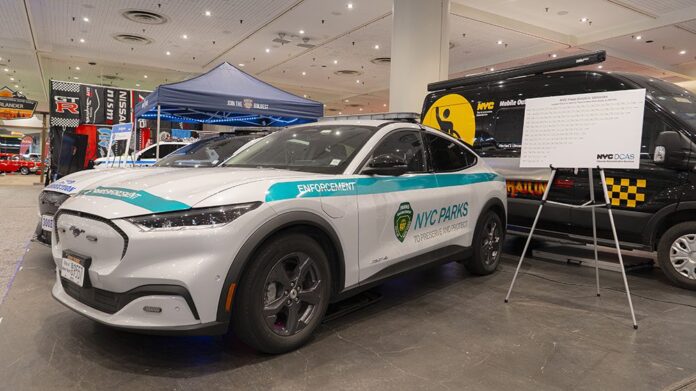
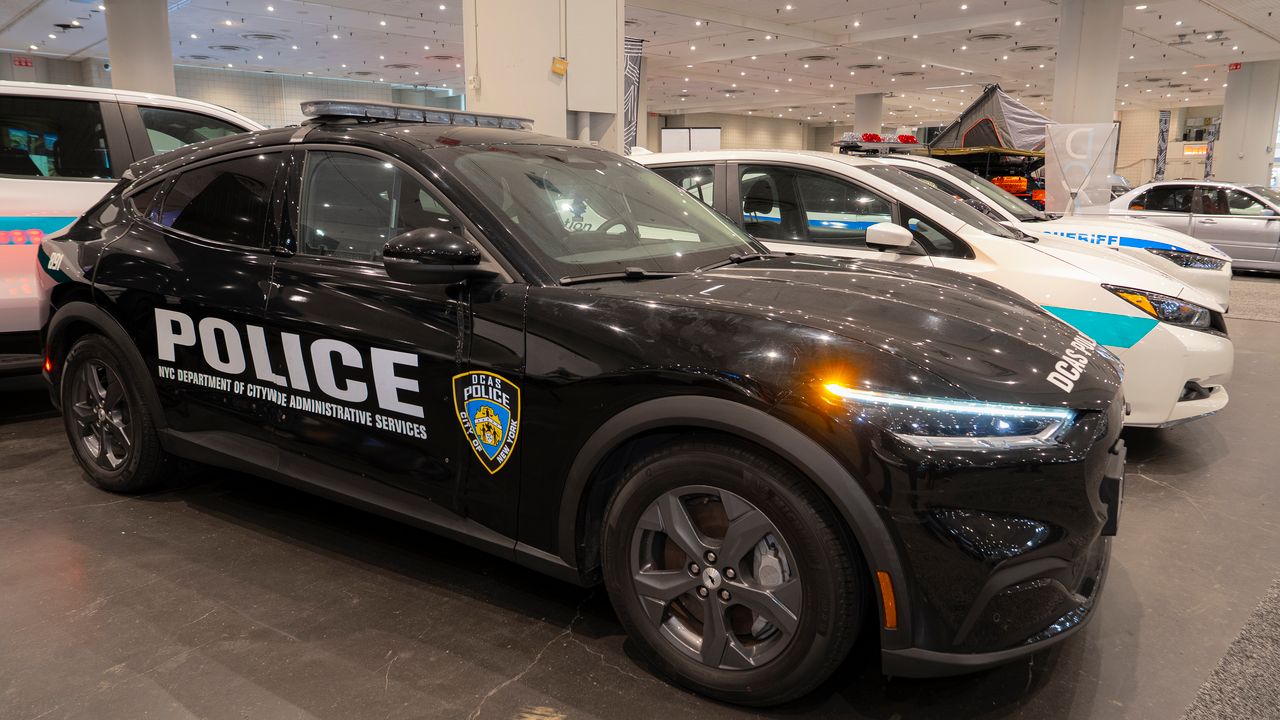
The police are plugging in. The City of New York’s Department of Citywide Administrative Services (DCAS), which is in charge of procurement for municipal fleets, has announced that it now has over 1,000 plug-in vehicles assigned to law enforcement agencies.

Not all of these are cop cars. Yes, the NYPD has nearly 500 plug-ins in its portfolio, but the Big Apple has no less than 15 law enforcement agencies—including the Departments of Correction, Environmental Protection, Sanitation, Investigation and Homeless Services, as well as FDNY and NYC Emergency Management.

Collectively, these agencies operate around 11,000 vehicles: 781 are battery-electric vehicles, and 231 are plug-in hybrids. The agencies also operate 3,454 hybrid vehicles and 87 “off-road solar and electric units.” Law enforcement agencies currently have an additional 722 hybrids and 115 plug-in vehicles on order. The city as a whole operates nearly 10,500 electrified vehicles, including 5,780 plug-ins and 4,600 hybrids.

Law enforcement vehicles require specialized equipment, which can include bullet-proof shielding, light and siren packages, radio and computer outfitting, heavy-duty suspension and interior partitions. Agencies such as NYPD conduct rigorous testing to ensure vehicles can perform reliably in emergency response conditions.

The Chevy EV Blazer is the city’s first pursuit-rated electric vehicle. DCAS procured 58 Blazers in the first citywide order. The city’s fleet also includes the Chevy Bolt, Ford Mustang Mach-E, Ford F-150 Lightning, Chevy Silverado EV and Ford E-Transit. The Department of Correction has also launched the city’s first electric K-9 enforcement unit.

DCAS has some 415 DC fast chargers in operation, and more are planned.

“NYC is leading the state in fleet electrification with the largest electric fleet and charging network,” states Keith Kerman, Chief Fleet Officer and Deputy Commissioner at DCAS. “As importantly, we are showing EVs can work in some of the most challenging applications and assignments including law enforcement and emergency response.”

Source: NYC Department of Citywide Administrative Services


Source link

Charged EVs | Solving lithium plating risks in Li-ion batteries during fast charging: high-precision three-electrode analysis

0


Sponsored by Chroma.

Lithium-ion batteries face increasingly severe challenges regarding safety and lifespan under high-rate charging. One of the most critical concerns is the phenomenon of lithium plating—when the charging current is too high or the temperature is too low, lithium-ions fails to intercalate effectively into the anode and instead deposit as metallic lithium on the surface of the graphite.

This leads to capacity degradation, thickening of the solid electrolyte interphase (SEI) layer, and may even cause internal short circuits and thermal runaway. These safety risks, originating from microscopic electrochemical reactions, cannot be adequately investigated using the conventional two-electrode structure of lithium-ion batteries. As it provides only combined voltage-capacity data, this structure does not allow for distinguishing between the independent behaviors of the anode and the cathode. As a result, the mechanism of lithium plating becomes difficult to identify. This is where the advantages of a three-electrode testing setup become particularly significant.


Source link

Charged EVs | Electra Battery Materials restarts construction on North America’s first cobalt sulfate refinery

0


Electra Battery Materials has restarted full-scale construction on what it describes as North America’s first cobalt sulfate refinery, located near Temiskaming Shores, Ontario. Construction had been paused for roughly two years before the company completed a recapitalization and resumed site work in November 2025.

The refinery is designed to produce 6,500 tonnes of battery-grade cobalt sulfate per year—a key precursor for NMC lithium-ion battery cathodes. Electra has arranged US$82 million in total funding against a US$73 million construction budget: US$20 million from a US Department of Defense grant under the Defense Production Act, US$28 million in combined support from the Government of Canada and Invest Ontario and US$34 million in equity financing raised in October 2025. The company held C$39 million in cash at year-end 2025, rising to roughly C$41 million at the announcement date.

Early commissioning is expected in Q4 2026, with mechanical completion targeted for Q2 2027 and commercial production in Q4 2027. Electra is using a multi-package execution approach, engaging specialized contractors across discrete scopes rather than a single general contractor.

“With construction of our cobalt refinery now fully funded and our balance sheet reset, we are entering the execution phase with the resources and focus needed to deliver North America’s first cobalt sulfate facility,” said Trent Mell, CEO of Electra. “This marks a turning point for Electra and a critical step in reducing foreign dependence in the battery supply chain.”

Cobalt sulfate refining is currently concentrated in China, which processes the majority of global supply despite most ore originating in the Democratic Republic of Congo—leaving North American battery manufacturers heavily exposed on a critical input.

Source: Electra Battery Materials


Source link

Charged EVs | Purolator orders 100 electric step vans from Workhorse

0


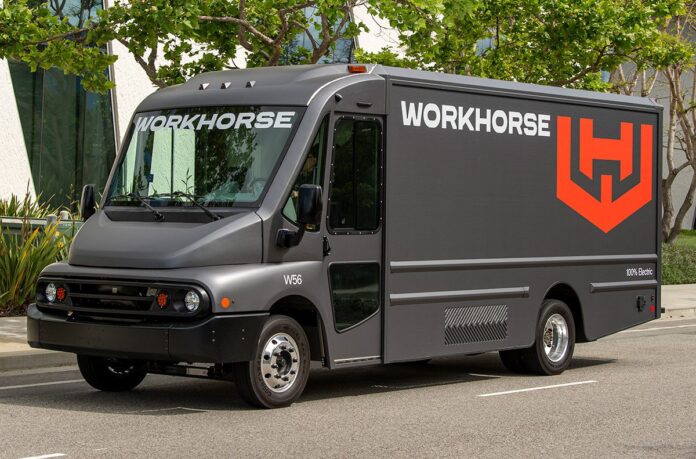
Electric truck OEM Workhorse Group has received a purchase order for 100 battery-electric step vans from Purolator, a Canadian integrated freight, package and logistics solutions provider. This new order will double the number of Workhorse electric step vans in Purolator’s fleet, including the company’s prior purchases from Motiv, which merged with Workhorse in late 2025. Workhorse will deliver the step vans to Purolator throughout 2026.

Workhorse says ten of the largest medium-duty truck fleets in North America have deployed its vehicles, including Purolator, Vestis (formerly Aramark Uniform Services) and Cintas. The company has delivered more than 1,100 EVs, including electric step vans, box trucks and shuttles. Its manufacturing facility in Union City, Indiana, is capable of producing at least 5,000 vehicles per year on a single operating shift.

Workhorse sells its vehicles in part through a national dealer network, and post-sale support is bolstered by regionally deployed Workhorse-trained technicians.

“Purolator has a longstanding commitment to adopting new and innovative technologies to make their fleet more efficient and sustainable, and we are honored to continue to support them,” said Workhorse CEO Scott Griffith. “This is Purolator’s fourth order over a number of years and an important next step in our long-standing partnership.”

Source: Workhorse Group


Source link