Wednesday, April 22, 2026
16.4 C
London
Home Blog Page 24

Charged EVs | ROHM adds compact HPLF5060 package to 40 V, 60 V automotive MOSFET lineup

0


ROHM has expanded its lineup of low-voltage (40 V, 60 V) automotive MOSFETs by introducing new devices in a compact HPLF5060 package (4.9 mm × 6.0 mm). The company is positioning the parts for applications such as main inverter control circuits, electric pumps and LED headlights.

As low-voltage MOSFET packaging trends smaller—toward 5060-size and below—ROHM says board-mount reliability can suffer due to narrow terminal spacing and leadless designs. The new HPLF5060 package is meant to address that tradeoff: it has a smaller footprint than the widely used TO-252 (6.6 mm × 10.0 mm) package, and uses gull-wing leads to improve mounting reliability. ROHM also says copper clip junction technology enables high-current operation.

Mass production of the HPLF5060-based products began in November 2025, and ROHM says online sales have started, including availability via distributors such as DigiKey and Farnell.

Next up, ROHM says it plans to start mass production around February 2026 of its smaller DFN3333 (3.3 mm × 3.3 mm) package using wettable flank technology, and has begun development of a larger TOLG (TO-leaded with gull-wing) package (9.9 mm × 11.7 mm) aimed at high-power, high-reliability applications.

Source: ROHM


Source link

Charged EVs | New study: plug-in hybrids use three times more fuel than automakers claim (even when drivers do plug them in)

0


Plug-in hybrids (PHEVs) are the epitome of a transitional technology. Their boosters say they enable drivers to complete many journeys on battery power, while offering more range for longer trips. Detractors say that they would, if owners actually plugged them in. Despite the best efforts of skeptical journalists, automakers have largely refused to release any data on how often their customers plug in their PHEVs.

A new study from the Fraunhofer Institute has found that PHEVs use much more fuel in real life than their manufacturers officially claim. The Institute carried out a large-scale analysis of about a million vehicles, using data transmitted wirelessly by PHEVs produced between 2021 and 2023 by several manufacturers.

As reported by The Guardian, the data enabled analysts to measure their real-world fuel consumption, as opposed to the figures included in the vehicles’ official EU-approved certifications. (The Fraunhofer study does not appear to have addressed the question of whether PHEV owners regularly plug in or not.)

The official fuel efficiency figures for PHEVs range from one to two liters of fuel per 100 km. (In Europe, fuel efficiency is measured in liters/100 km, not in MPG as in the States.) However, the Fraunhofer study found that, in real-world driving, the vehicles burned an average of six liters per 100 km, about three times more than automakers claim.

As every PHEV driver knows, the vehicle switches between electric and fossil power depending on which mode its little automotive brain deems to be appropriate at a particular time. Most models feature an “EV mode,” but even when driving in this mode, the gas engine will kick on from time to time. The Fraunhofer Institute’s researchers found that this is the main reason for the higher real-world fuel usage. Automakers tend to claim that their vehicles use little or no fuel when in EV mode. The study found that this is not the case.

Patrick Plötz of the Fraunhofer Institute told German broadcaster SWR that the combustion engines in PHEVs seem to turn on far more frequently than previously thought.

German-manufactured PHEVs were among those with the lowest fuel efficiency—the worst performers of all were from Porsche. The highest fuel efficiency levels were found at the budget end of the PHEV market, in vehicles from Kia, Toyota, Ford and Renault.

The Fraunhofer scientists have called for EU testing procedures to be revised to fit the real-world findings. In the EU, automakers face penalties for exceeding permitted limits on carbon emissions. Herr Plötz called on regulators to use the real-world emissions data. “Then one could say a manufacturer who does not comply with the [emissions] limits on the road may have to pay a penalty.”

Source: The Guardian


Source link

Charged EVs | California and the UK increase climate cooperation, Octopus Energy to invest $1 billion in the state

0


Governor Gavin Newsom has announced an expanded partnership between California and the UK “to tackle climate change and promote sustainable development together.” During a recent visit to the UK, the Governor and UK Secretary of State for Energy Security and Net Zero Ed Miliband, signed a Memorandum of Understanding (MOU) “deepening cooperation on climate.”

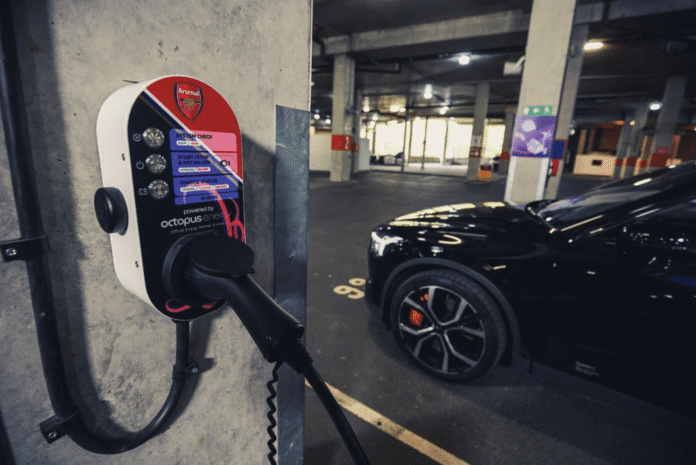
Governor Newsom also paid a visit to Octopus Energy, a retail supplier of renewable electricity, which was founded in the UK and has operations in nine countries, including in Texas. Octopus plans to invest nearly $1 billion in California companies and projects focused on “clean technologies and nature-based solutions.”

“Octopus and California are both leading the way in clean energy innovation,” said Octopus Energy Generation CEO Zoisa North-Bond. “With supportive policy and world-class entrepreneurship in and around Silicon Valley, it’s an ideal place to back long-term investment partnerships that will benefit the UK economy. We’re excited to expand Octopus internationally, backing the booming US clean tech sector while bringing innovation, growth and returns to the UK.”

Source: California Governor’s Office


Source link

Charged EVs | Proventia and Morrow sign long-term master supply agreement for LFP battery cells

0


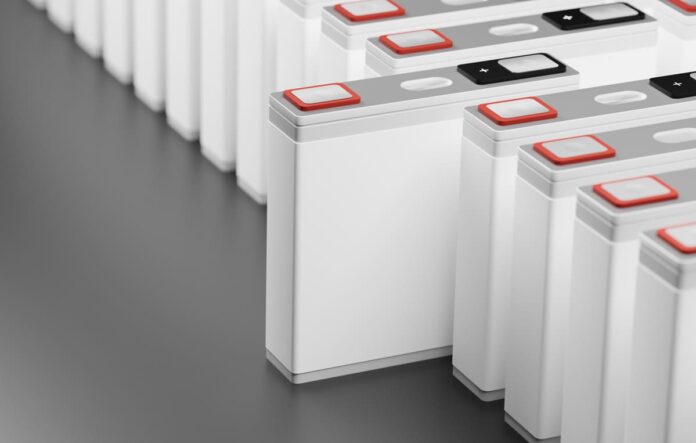
Finland-based Proventia and Morrow Batteries have signed an agreement for long-term delivery of lithium iron phosphate (LFP) battery cells for Proventia’s battery modules and packs used in off-highway machinery and industrial applications.

The agreement covers prismatic LFP cells and allows the addition of future cell chemistries as they become commercially available.

Under the agreement, Morrow will supply LFP cells for Proventia’s standard and customer-tailored battery packs. Deliveries are already underway, and the contract runs through 2031.

Proventia plans to start its first customer deliveries using Morrow cells in spring 2026. Morrow will ramp up its production capacity and continue refining its processes throughout this year.

The companies will also continue joint simulation and pack-level optimization to shorten development time, cut prototyping and testing costs and further improve battery performance and reliability.

“Being able to offer our customers battery technology manufactured in Europe, including the cells, is extremely important to us and increasingly required by our customers. This agreement supports our electric powertrain and battery development programs with quality, flexibility, and speed,” said Jari Lotvonen, Proventia’s CEO.

Source: Proventia


Source link

Charged EVs | Transport for London awards oil giant TotalEnergies a contract to deploy 43 DC fast EV chargers  

0


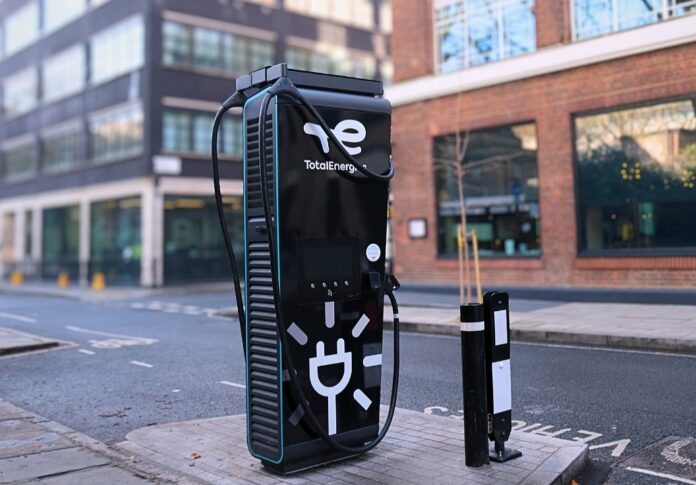
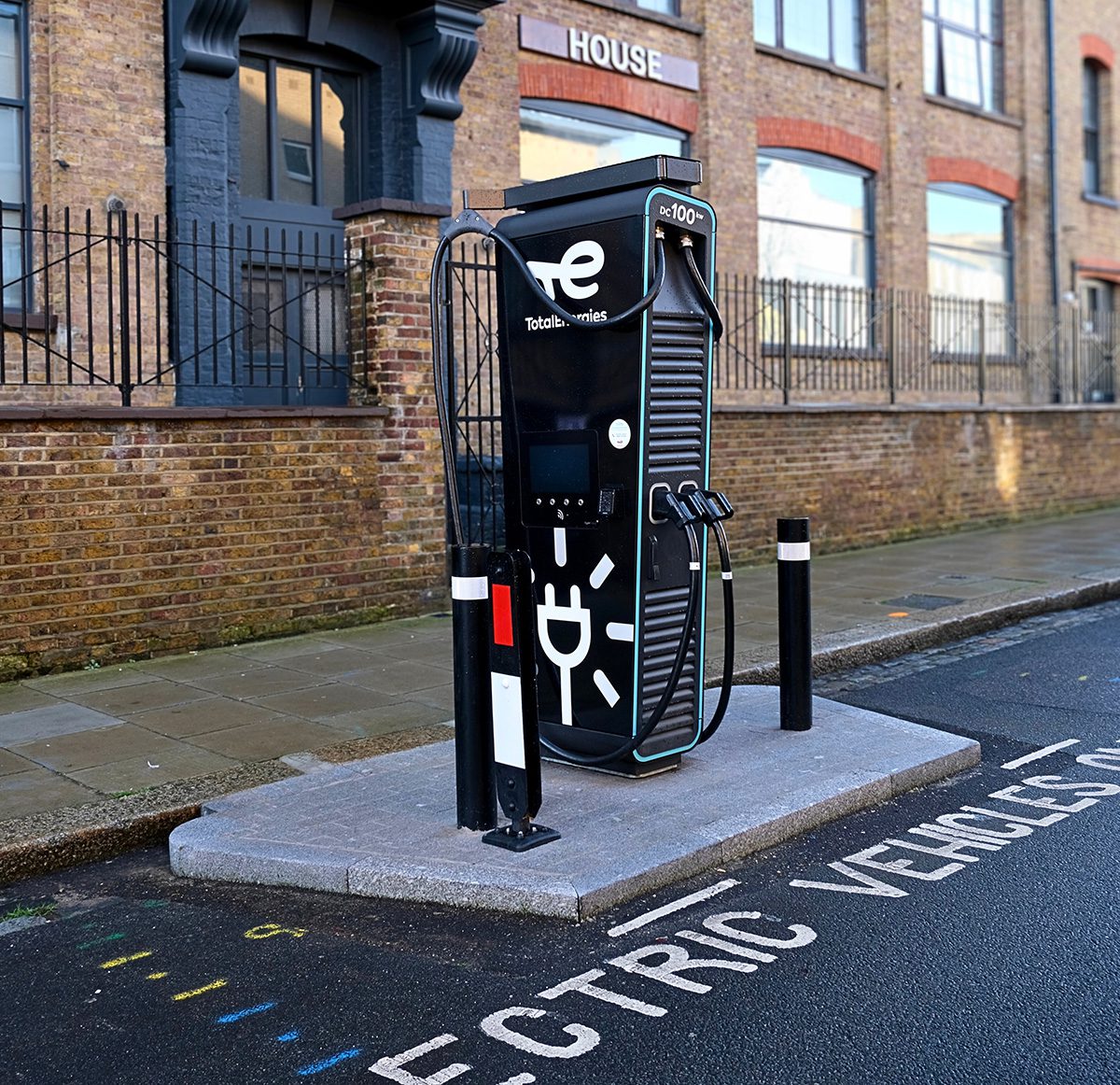
Transport for London (TfL) has awarded oil supermajor TotalEnergies a contract to deliver up to 43 DC fast EV chargers across London. The new chargers will offer charging speeds of 100 kW or 200 kW (“rapid” or “ultra-rapid,” in TfL’s terminology), and will be located near key routes used by high-mileage commercial users, or near high streets and local amenities.

Many of the new charging sites will be located in south London, including Bromley, Lewisham and Sutton.

This is the second contract TfL has awarded to TotalEnergies. This includes the agency’s existing work with EV charge point operator Zest, which has delivered some 40 on-street rapid or ultra-rapid EV charging bays for TfL.

London is already a pretty charged city. According to TfL, Cool Britannia’s capital currently boasts more than 27,980 public charging points, more than 1,550 of which offer “rapid or ultra-rapid charging.” TfL predicts that if current demand continues, London will need between 43,000 and 51,000 charge points by 2030.

TfL is working with the GLA Group and other public sector partners to facilitate installing chargers on public land. Places for London—TfL’s wholly-owned real estate company—has partnered with EV charging hub operator Fastned to develop several new EV ultra-rapid charging hubs across its estate. Work is underway on an EV charging hub at TfL’s Hatton Cross Station car park, the first of 25 hubs targeted to be delivered by 2030.

“By unlocking our land to bring new EV bays forward, we’re working with both TotalEnergies and Zest to provide the infrastructure that Londoners need to have the confidence to transition to electric vehicles,” said David Rowe, Director of Investment Planning at TfL.

Source: Transport for London


Source link

Charged EVs | Nayax to supply credit card readers to EV charger OEM Tritium

0


Israel-based payments platform provider Nayax will supply credit card readers to EV charger manufacturer Tritium. This will enable Tritium to deploy a single card-present payment solution across its network of chargers in more than 50 countries.

Nayax is integrated with Tritium through its cloud-based protocols, allowing existing Tritium customers to retrofit Nayax devices and activate cashless payment capabilities “within minutes.” Operators can choose to use Nayax’s Charge Point Management Software (CPMS) or select from 30 CPMS providers that Nayax has integrated with. Tritium has designed a purpose-built bracket to make installation of the card readers simpler.

The Nayax solution supports starting and stopping charging sessions, live monitoring of charging status through a web link, and customised eReceipts that can be tailored to each charge point operator.

“While apps will always have a place and continue to be widely used, there are still individuals who are not comfortable with technology or who prefer not to use apps,” said Dylan Winik, CEO of Nayax Oceania. “By adding credit and debit card payments to your charger, we are making it easier for mass consumer adoption of EV charging, enabling choice through a simple tap-to-charge experience.”

“This integration enables us to offer Nayax’s payment solutions across our global DC fast charging network, giving our customers greater flexibility and choice,” says Ian Agnew, Tritium’s Sales Director for Australia and New Zealand. “As the EV market accelerates, seamless payment experiences aren’t optional—they’re essential to network success.”

Source: Nayax


Source link

Charged EVs | CATL wins MINDS award for Intelligent Cell Design project

0


Chinese battery giant CATL won the MINDS Award at the World Economic Forum in Davos, Switzerland for its Intelligent Cell Design project.

By using deep learning from more than 100,000 battery cases, 600 TB of test data and EV aftermarket data, CATL has built an intelligent cell design platform that can generate design suggestions instantly and deliver virtual cells based on user-defined performance indicators.

The performance prediction has an accuracy of around 95% and improves design efficiency by 30% compared to traditional design, according to the company, shifting R&D from reliance on experimental trial and error to data-driven design.

The MINDS Awards, established by the World Economic Forum’s Centre of Excellence for Artificial Intelligence, select organizations worldwide that drive AI transformation across five core dimensions: strategy, talent, data, technology and governance.

Source: CATL


Source link

Charged EVs | Porsche begins manufacturing Cayenne Electric and in-house battery modules

0


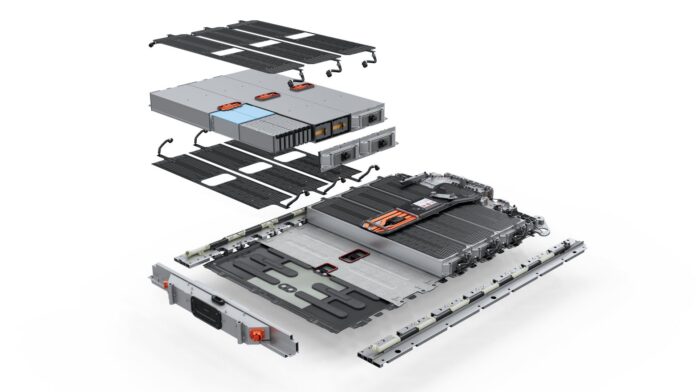
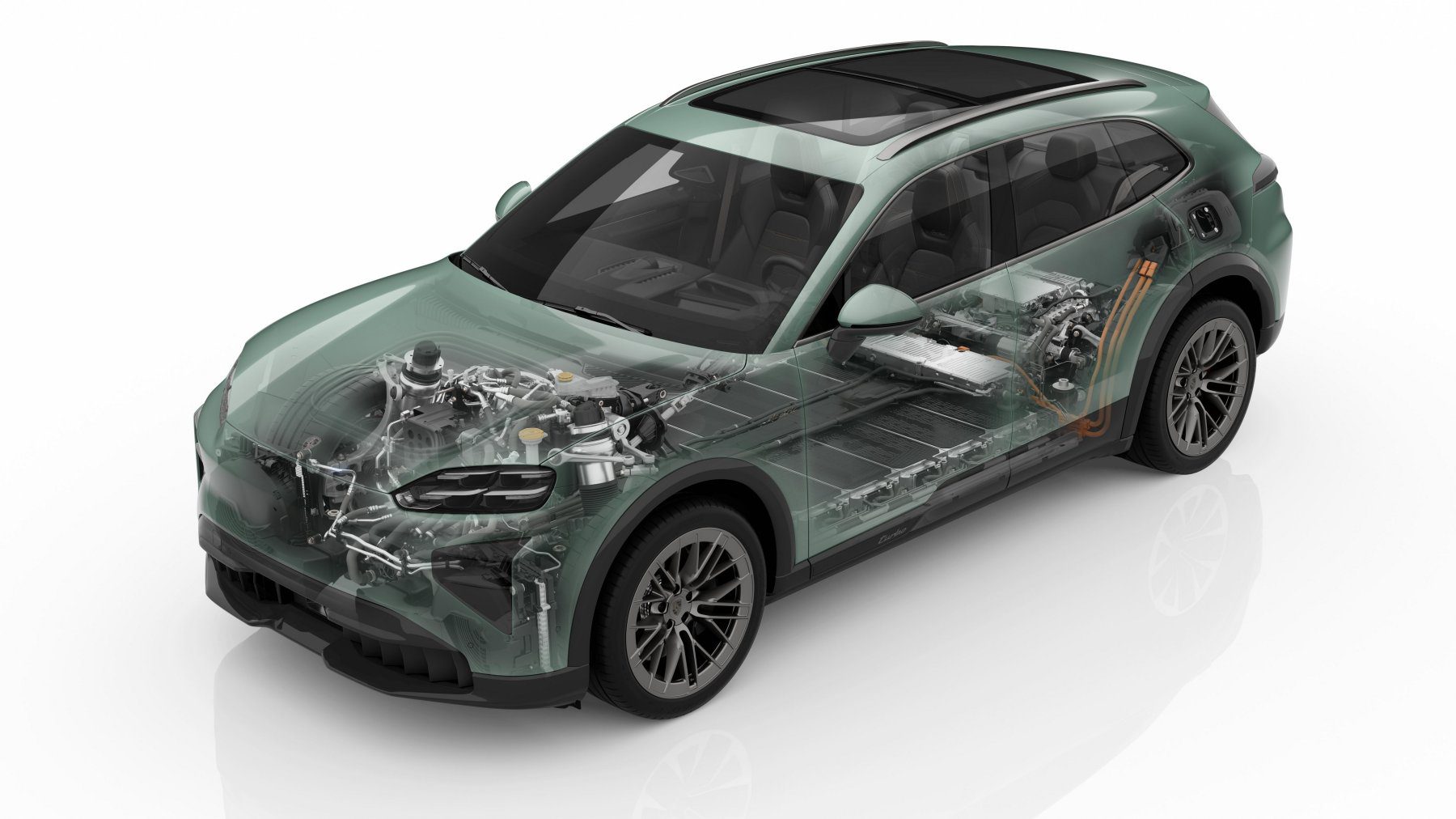
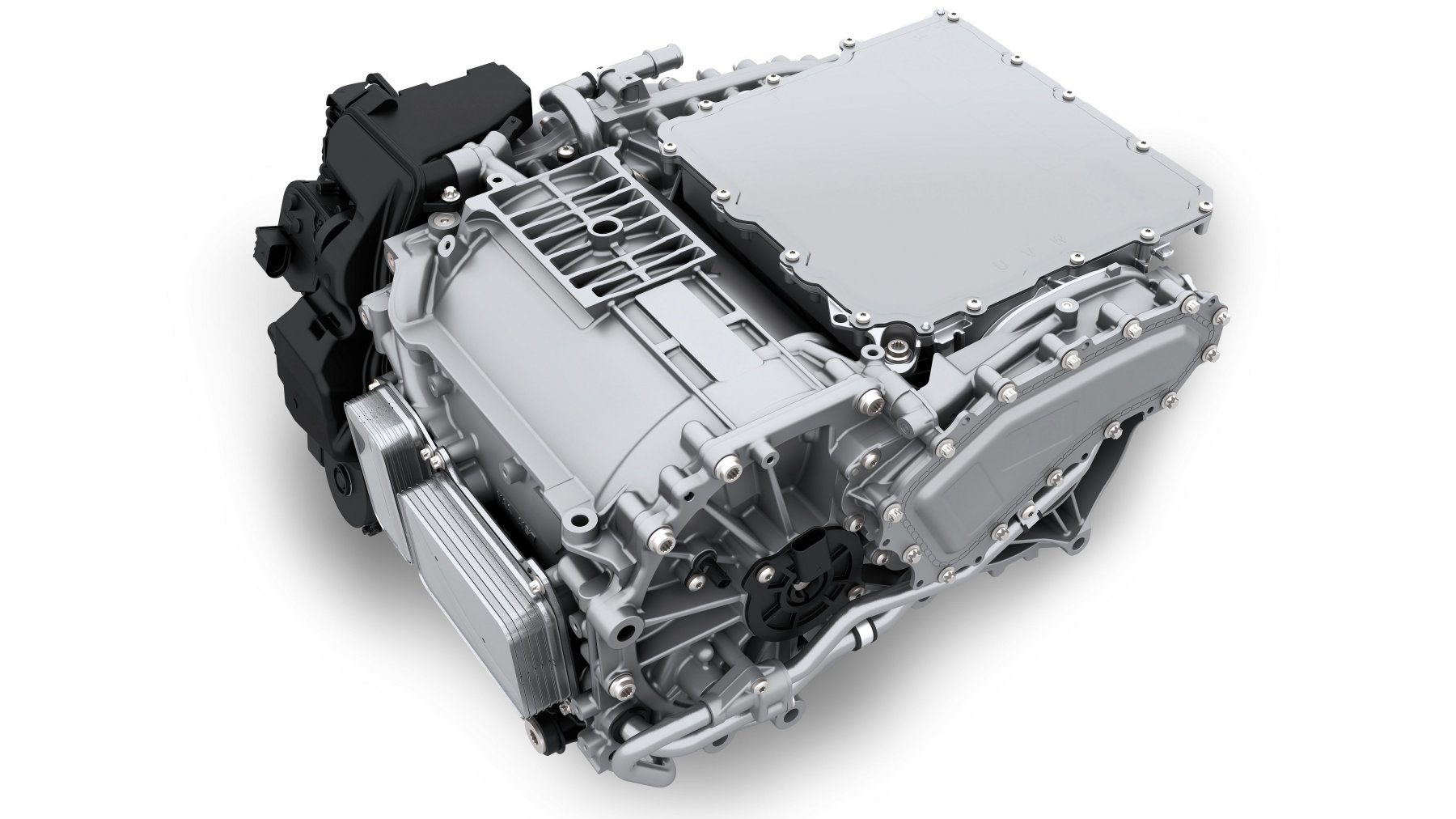
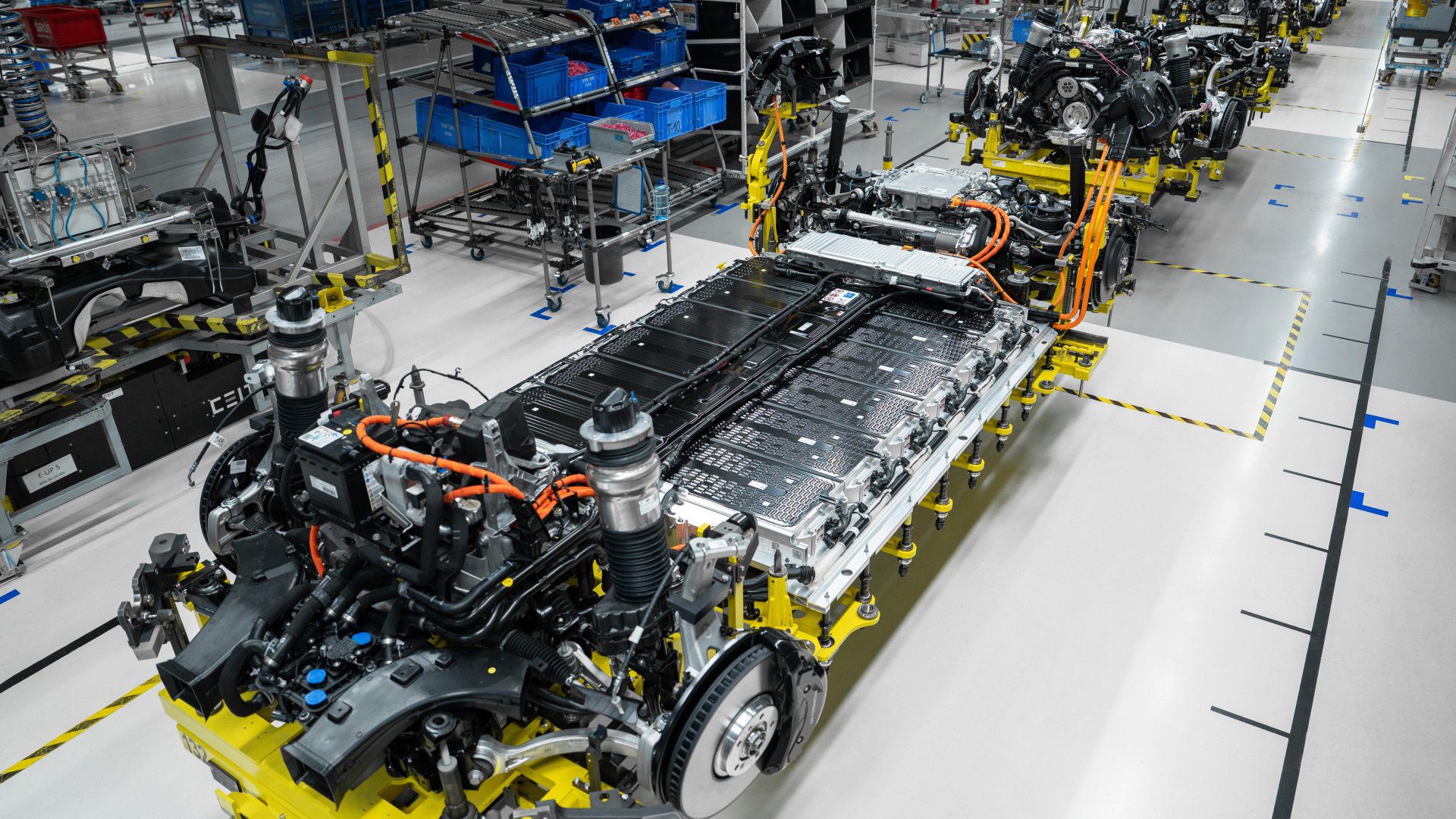
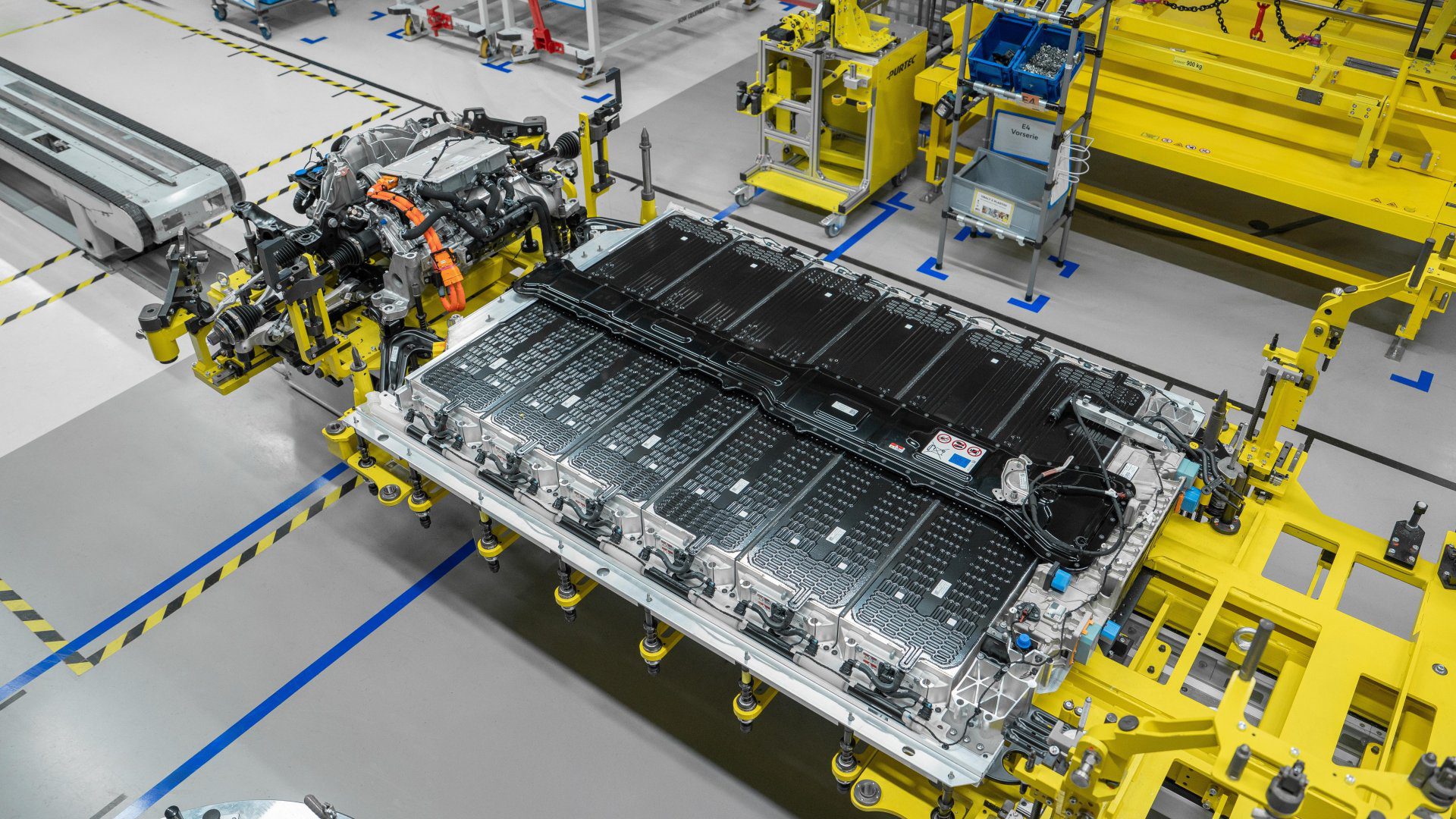
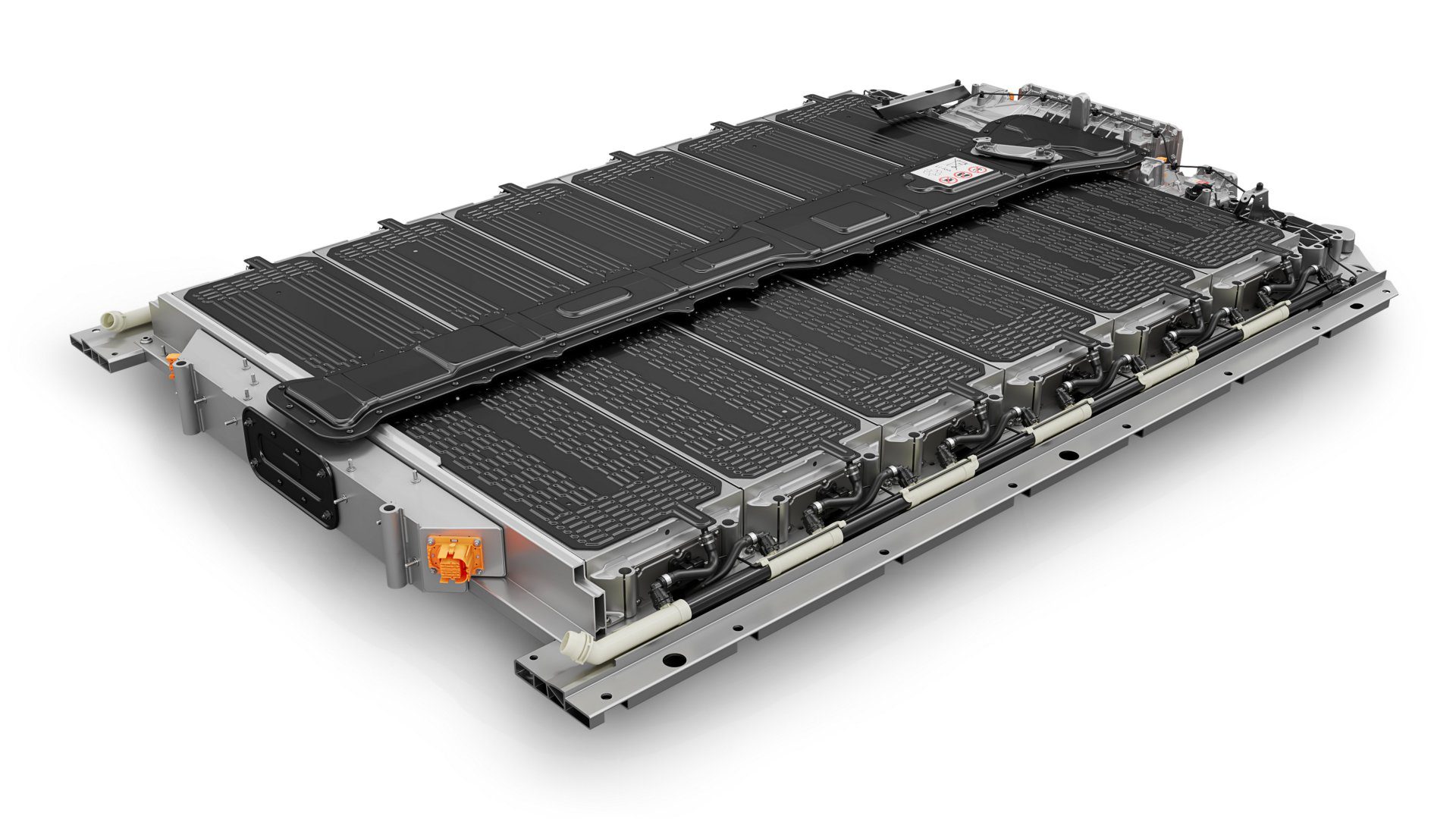
Porsche has started production of its Cayenne Electric model in Bratislava and has developed its own battery modules in-house.

The Cayenne is being manufactured on a line that also produces combustion engine and hybrid drive models. The automaker said this flexible production enables it to react quickly to changes in demand. The batteries are manufactured in the Porsche Smart Battery Shop in Horná Streda, which is located around 100 km northeast of Bratislava.

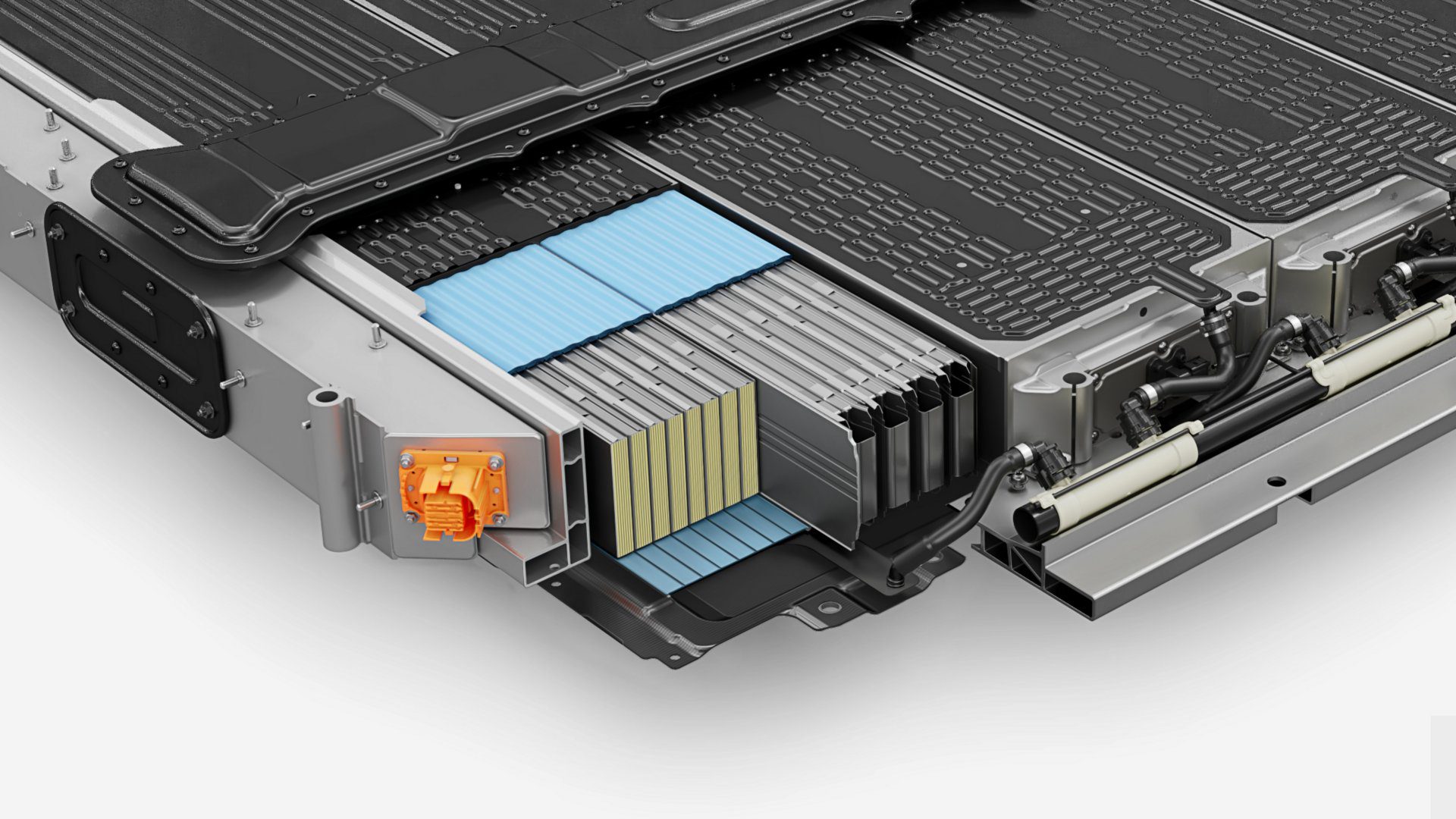
The battery features large pouch cells, and has a gross energy content of 113 kWh, enabling driving ranges of more than 600 km. It supports 800-volt fast charging. Two cooling plates cool or heat the high-voltage battery from above and below as required to help maintain optimal temperatures

The top-of-the-range Cayenne Turbo has an output of up to 850 kW, which the automaker said makes it the most powerful Porsche production model of all time.

“With the Smart Battery Shop, we are bundling decades of industrialisation experience with state-of-the-art battery technology—from cell processing to fully automated end-of-line testing,” said Markus Kreutel, Chairman of the Executive Board of Porsche Werkzeugbau. “This end-to-end vertical integration gives Porsche control over the quality, precision and scalability of a key technology that will significantly shape our future.”

Source: Porsche                   


Source link

Charged EVs | Danisense extends range of DN1000ID current transducers for EV testing systems

0


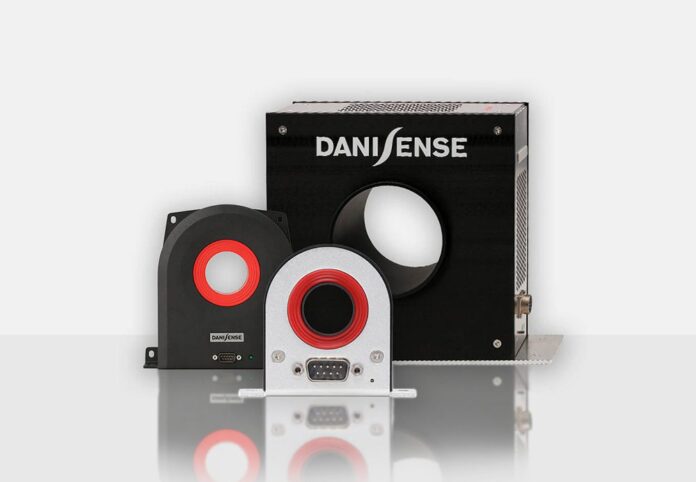
Danisense, which produces high-accuracy current sense transducers for demanding applications, has expanded its DN1000ID current transducer product family with the introduction of the new DN1000ID-CP02 model.

The DN1000ID-CP02 current transducer features a significantly increased creepage and clearance distance of 38 mm, compared with 11 mm for the standard DN1000ID version. In addition, the permissible voltage for uninsulated cables has been raised from 1,000 V to 3,200 V. As system voltages continue to rise across a wide range of applications, this makes the new device particularly well suited for power measurement and power analysis in EV chargers, power inverters and battery energy storage systems.

Additional target applications include EV test benches, particle accelerators, MRI systems and medical scanners, battery testing and evaluation equipment, current calibration systems and other precision current-sensing applications.

The DN1000ID-CP02 device incorporates a removable isolation insert and a large aperture of 41.2 mm to accommodate wide cable terminals. The transducer can measure currents up to 1,500 A. Continuous measurement of 1,000 A is achieved with a linearity error of less than 1 ppm. An over-range capability of 1,200 A RMS for up to 30 minutes is also supported.

Based on Danisense’s ultra-stable closed-loop fluxgate technology, the DN1000ID-CP02 product delivers a low offset of 5 ppm and ultra-low drift, as well as noise performance of sub-ppm RMS across frequencies up to 10 kHz.

The device provides high resolution for precise monitoring, reliable and consistent performance and a compact, rugged design to support straightforward installation and long-term durability.

Source: Danisense


Source link

Charged EVs | UCF Research shows C-BATT’s Obsidia  battery anode material swells less than graphite during lithiation

0


University of Central Florida (UCF) research suggests that C-BATT’s Obsidia battery anode material could help solve material swelling during cycling, which is one of the most persistent causes of failure in lithium-ion batteries.

The results of the research show that Obsidia exhibits lower swelling during lithiation than graphite anode material. When battery materials swell during charge and discharge, repeated volume changes cause them to crack and break down over time, eventually leading to cell failure. Reduced swelling means batteries can last much longer, making them more reliable and cost-effective.

In testing led by UCF professor Dr. Akihiro Kushima, powder particles of pure Obsidia showed approximately 5% swelling during initial lithiation and de-lithiation. Graphite typically swells around 11%, while high-capacity materials such as silicon can swell by up to 300%.

“Swelling is a major cause of cell failure, and these results are a very encouraging sign,” said Dr. Kushima. “Our measurements show that Obsidia experiences very low swelling compared to traditional materials, which is a strong indicator that it could support much longer-lasting batteries.”

The research was funded in part by a matching grant from the Florida High Tech Corridor.

C-BATT is a joint venture between CONSOL Innovations and X-BATT, and has a lab in Oviedo, Floraida, close to the University of Central Florida. The company plans to use CONSOL Innovations’ domestically sourced carbon resources.

“These results are an important milestone for C-BATT,” said Bill Easter, Vice President of C-BATT. “Testing from UCF helps confirm that US-made Obsidia can significantly reduce swelling, which is key to building batteries that last longer, perform better, and ultimately cost less for consumers. As of right now, it appears that Obsidia is the only anode material on the horizon that has significantly more lithium storage capacity than graphite (greater than 500 mAh/g) but less inherent material swelling than graphite. We plan to further prove out this significant advantage by conducting electrode swelling tests, larger cell builds, and more independent third-party testing.”

Source: C-BATT


Source link