Wednesday, April 22, 2026
14.8 C
London
Home Blog Page 25

Charged EVs | Lectron’s full EV charging adapter lineup earns UL 2252 certification

0


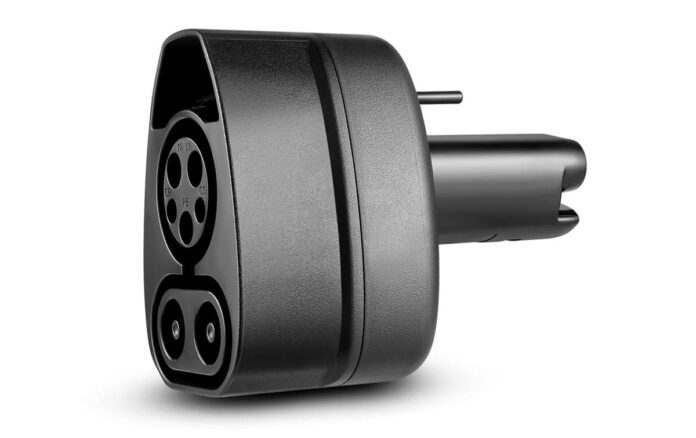
Lectron has achieved UL 2252 certification across its full range of EV charging adapters—covering NACS, CCS and J1772 in both AC and DC configurations. The company says it now offers one of the most complete interoperability portfolios in the industry.

The newly certified AC products include NACS-to-J1772 and J1772-to-NACS adapters for Level 1 and Level 2 charging. They join Lectron’s DC fast-charging adapters—the automaker-approved Vortex Plus (NACS-to-CCS) and a CCS-to-NACS unit—which were the first widely available DC charging adapters to pass UL 2252 testing. Together, the lineup bridges all three US charging standards across home, workplace and public infrastructure.

The certifications arrive as the industry converges on NACS (formally SAE J3400). The Vortex Plus opens up more than 25,000 Tesla Superchargers and NACS DC stations to non-Tesla EVs, while the CCS-to-NACS adapter gives Tesla and NACS-equipped vehicles access to over 12,000 CCS fast chargers.

“For customers switching EVs, future-proofing their home charging setup, or expanding charging options on the road, Lectron adapters deliver safety and reliability,” said CEO Christopher Maiwald.

Lectron claims one in five US EV owners use its products.

Source: Lectron


Source link

Charged EVs | ZF lands major Indian order for next-gen electric bus axle

0


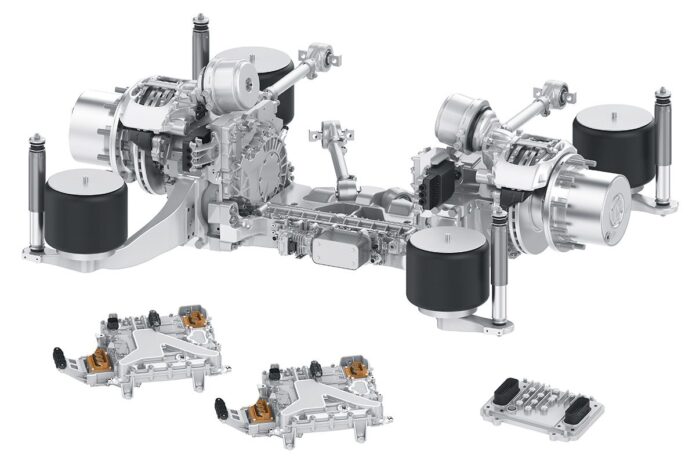
ZF has secured a multi-year order from a leading Indian OEM for several thousand units of its AxTrax 2 LF electric portal axle, with first deliveries scheduled for 2026. The units are destined for India’s domestic market as well as global exports.

The AxTrax 2 LF, introduced at Busworld 2023, is a fully integrated low-floor axle that combines propulsion, braking and suspension in a compact package, freeing up space for batteries and passengers.

ZF says the second-generation unit delivers up to 20% energy savings over its predecessor, reducing battery requirements and extending range. Its dual permanent-magnet hairpin motors, 800 V SiC inverter and oil cooling produce up to 360 kW continuous power and 36,800 Nm of peak torque—enough for a 25% climbing grade on a 30-ton articulated bus with a single driven axle.

“This order highlights ZF’s strength as a trusted partner in advancing zero-emission mobility and reflects the continuing strong global demand for products across all key commercial vehicle domains,” said Andreas Moser, head of ZF’s Commercial Vehicle Solutions division.

Source: ZF


Source link

Charged EVs | Webinar: Designing safer e-mobility battery packs—materials and testing insights

0


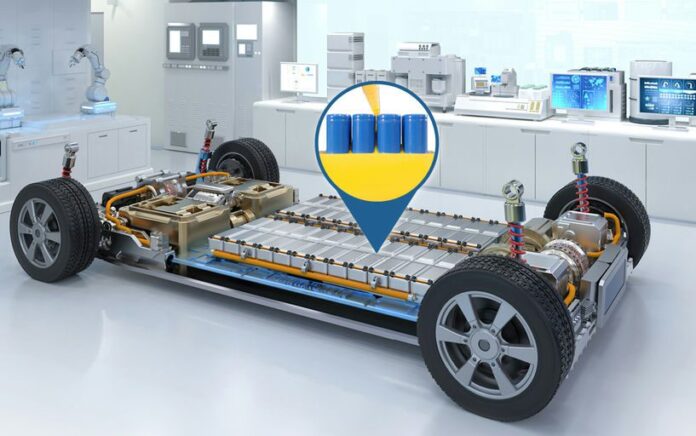
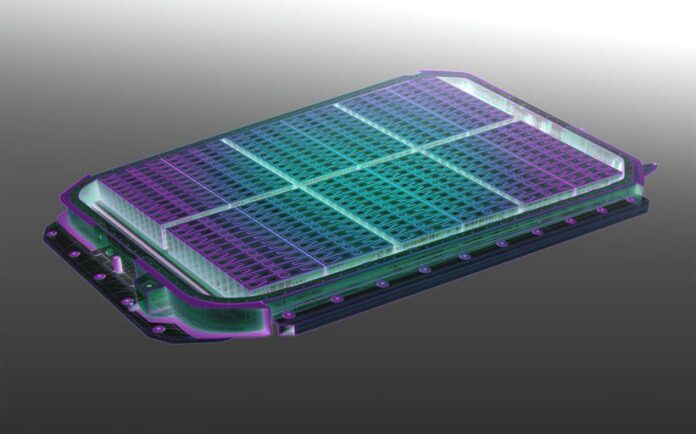
Battery engineers are under increasing pressure to deliver battery packs that don’t just perform—but are safe, durable, and scalable to manufacture.

In this expert-led webinar, Joe Staller, Senior R&D Chemist at Epic Resins, and Luke Workman, Chief Scientist at Electric Goddess, dive into the real-world design and material challenges facing today’s battery engineers.

In this webinar, you’ll learn:

  • Why battery safety must be engineered from the start—and how material selection plays a critical role
  • How non-cellular elastomer potting significantly extends battery pack lifespan
  • Why non-cellular elastomers outperform foams in both manufacturability and structural durability

Joe and Luke explore how early-stage design decisions impact safety, reliability, production efficiency, and cost. They’ll also explain how fully potted battery packs provide superior protection against corrosion, thermal runaway, thermal cycling, and vibration—while reducing manufacturing complexity and downtime compared to foam options.

Whether you’re designing battery packs for EVs, e-bikes, or industrial mobility systems, this webinar will challenge conventional thinking and show how smarter material choices can deliver safer, longer-lasting, and more efficient battery systems—without compromise.

Mar 10, 2026, 9:15 am EDT
Register now—it’s free!


See the complete session list for the Virtual Conference on EV Engineering here.

Broadcast live from March 9 to 12, 2026, the conference content will encompass the entire EV engineering supply chain and ecosystem, including motor and power electronics design and manufacturing, cell development, battery systems, testing, powertrains, thermal management, circuit protection, wire and cable, EMI/EMC and more.


Source link

Charged EVs | HeyCharge wins €2.5-million grant to develop its offline EV charging solution

0


HeyCharge, a Munich-based EV charging technology company backed by BMW i Ventures, Statkraft Ventures and Y Combinator, has been awarded a €2.5-million grant from the European Innovation Council (EIC) Accelerator.

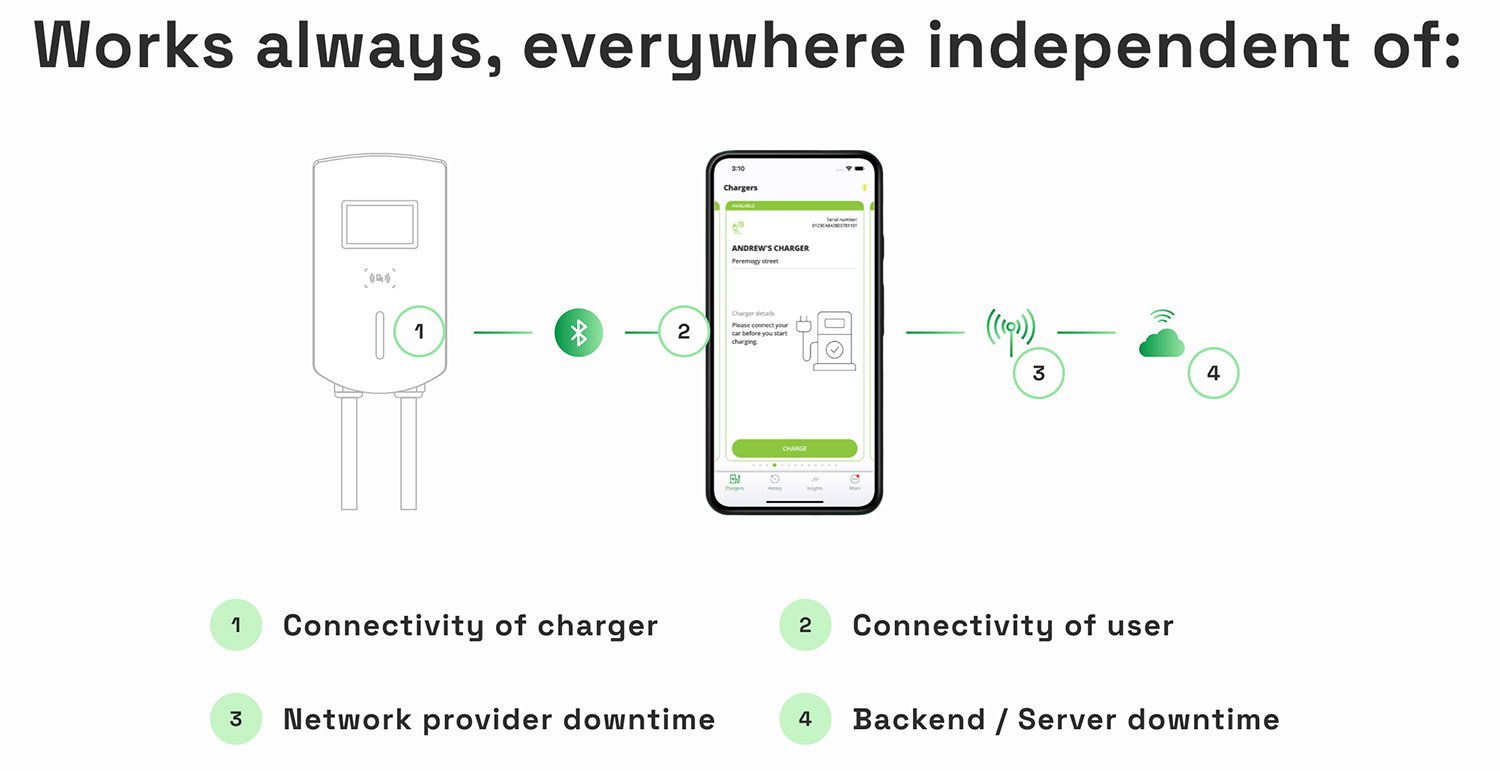
The grant will fund HeyCharge’s SecureCharge FLEX project, which seeks to eliminate two barriers to deploying conventional EV chargers in multi-unit residential buildings: unreliable connectivity and prohibitive installation costs.

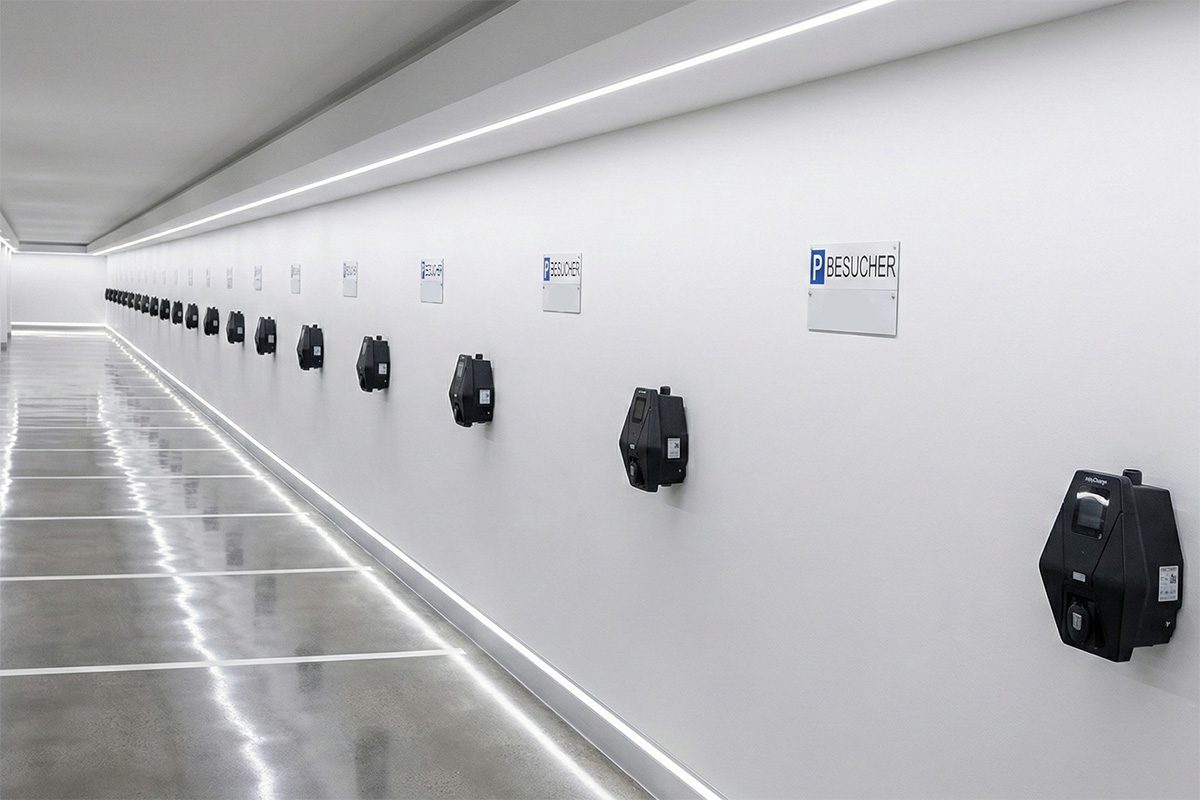
“Nearly half of Europe’s population lives in apartment buildings, and most of them park underground—exactly where internet-dependent chargers fail,” said Chris Cardé, founder and CEO of HeyCharge. “Our technology works 100% reliably even in underground garages, and because we’ve eliminated the need for communications infrastructure—the cabling, the specialist labor, the ongoing maintenance—we cut installation costs by more than 40%.”

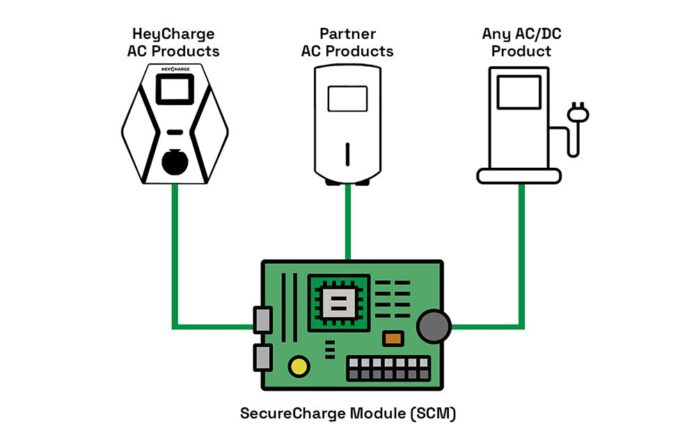
HeyCharge’s SecureCharge platform operates 100% offline, using patented one-time cryptographic tokens generated on the user’s smartphone for secure authentication.

HeyCharge says it has deployed its technology across more than 130 sites and 2,500 parking spaces in Germany, and over 123,000 additional spaces are addressable through strategic partnerships with major real estate operators. The company is launching a partnership model that will enable charging operators and installers across Europe to deliver its technology. HeyCharge has raised €6.3 million in total private funding to date.

The €2.5-million EIC Accelerator grant will support a 24-month project to advance SecureCharge FLEX from its current technology readiness level (TRL 7) to TRL 8, including:

  • Development and validation of advanced energy management features, including dynamic load management, demand response, dynamic tariffs and bidirectional (V2G) charging capabilities.
  • Integration and interoperability testing with partner platforms and third-party hardware systems.
  • Large-scale pilot deployments in multiple European countries to validate performance in diverse building types and grid conditions.
  • Multi-country certification and regulatory compliance preparation for EU-wide commercial rollout.
  • Onboarding installers and operators across Europe through a franchise model.

“The EIC Accelerator is not just funding—it’s a signal from Europe’s most rigorous innovation programme that our approach to democratising EV charging is ready to scale,” said Dr. Robert Lasowski, co-founder and CBDO of HeyCharge. “We’ve proven that eliminating communications infrastructure makes charging both more reliable and more affordable. Now we’re taking that from proven deployments to mass-market adoption across the continent.”

Source: HeyCharge


Source link

Charged EVs | Webinar: Exclusive introduction to LOCTITE SOLVE—AI-powered virtual adhesives hub

0


Join the webinar at our March Virtual Conference on EV Engineering, presented by Henkel, for an exclusive first look at LOCTITE SOLVE, Henkel’s new AI-powered virtual materials hub. Discover how design engineers at OEMs and battery manufacturers can access detailed material data cards of existing formulations, and leverage the Henkel Datacube to generate virtual material cards for future formulations. Learn how to accelerate component development, optimize simulations, and bring innovations to market faster with LOCTITE SOLVE.

Key Takeaways:

  • How LOCTITE SOLVE enables virtual testing of adhesives for component design simulations.
  • Using the Henkel Datacube to generate virtual material cards for future formulations.
  • Ways OEMs and battery manufacturers can accelerate design and reduce development cycles with LOCTITE SOLVE.

Mar 10, 2026, 9:30 am EDT
Register now—it’s free!


See the complete session list for the Virtual Conference on EV Engineering here.

Broadcast live from March 9 to 12, 2026, the conference content will encompass the entire EV engineering supply chain and ecosystem, including motor and power electronics design and manufacturing, cell development, battery systems, testing, powertrains, thermal management, circuit protection, wire and cable, EMI/EMC and more.


Source link

Charged EVs | NOVONIX sells battery testing division to its former CEO to refocus on synthetic graphite

0


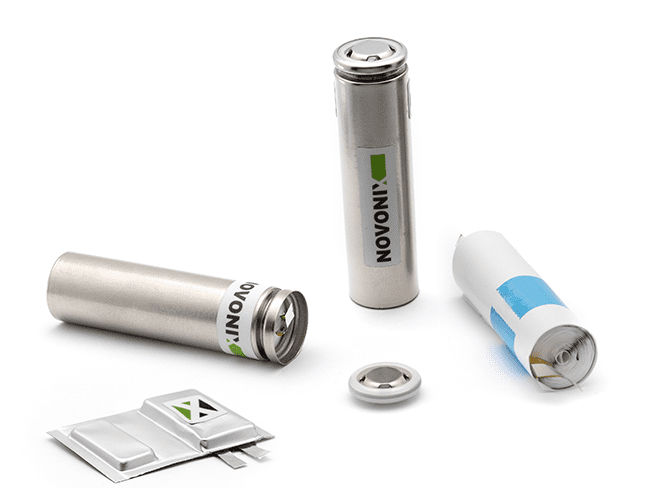
NOVONIX is divesting its Battery Technology Solutions business in Nova Scotia, Canada, selling the unit back to its founder and former NOVONIX CEO Chris Burns for $1. The move sharpens the company’s focus on building a vertically integrated synthetic graphite supply chain in North America.

BTS, founded in 2013 in collaboration with Dalhousie University researchers and acquired by NOVONIX in 2017, provides advanced battery testing systems—including Ultra-High Precision Coulometry—along with R&D services and a proprietary all-dry, zero-waste cathode synthesis technology. Its customers span defense, grid stability and high-performance energy storage.

Under the deal, NOVONIX retains a 15% non-dilutable equity stake in the cathode business and will leave $2 million in cash at BTS at closing. NOVONIX will also provide transition services and a trademark license through at least September 2026. The transaction follows the company’s sale of its Mt. Dromedary natural graphite mining project in September 2025.

“The divestiture of the BTS division reflects NOVONIX’s disciplined strategy to prioritize synthetic graphite,” said CEO Mike O’Kronley. “We are focused on directing our management attention and capital to building the North American supply chain for this critical mineral.”

Source: NOVONIX


Source link

Charged EVs | WiTricity launches 600 W wireless charger for golf carts

0


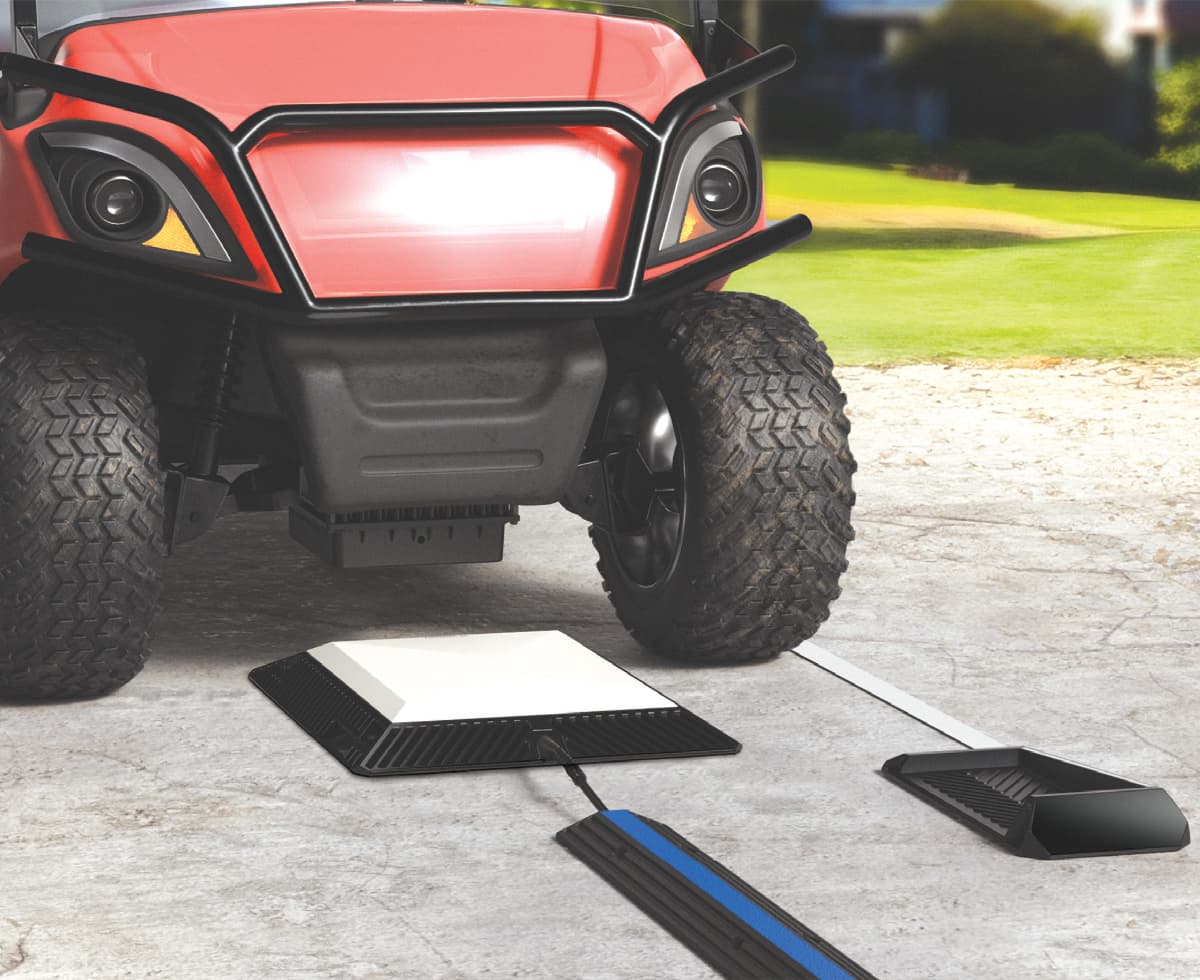
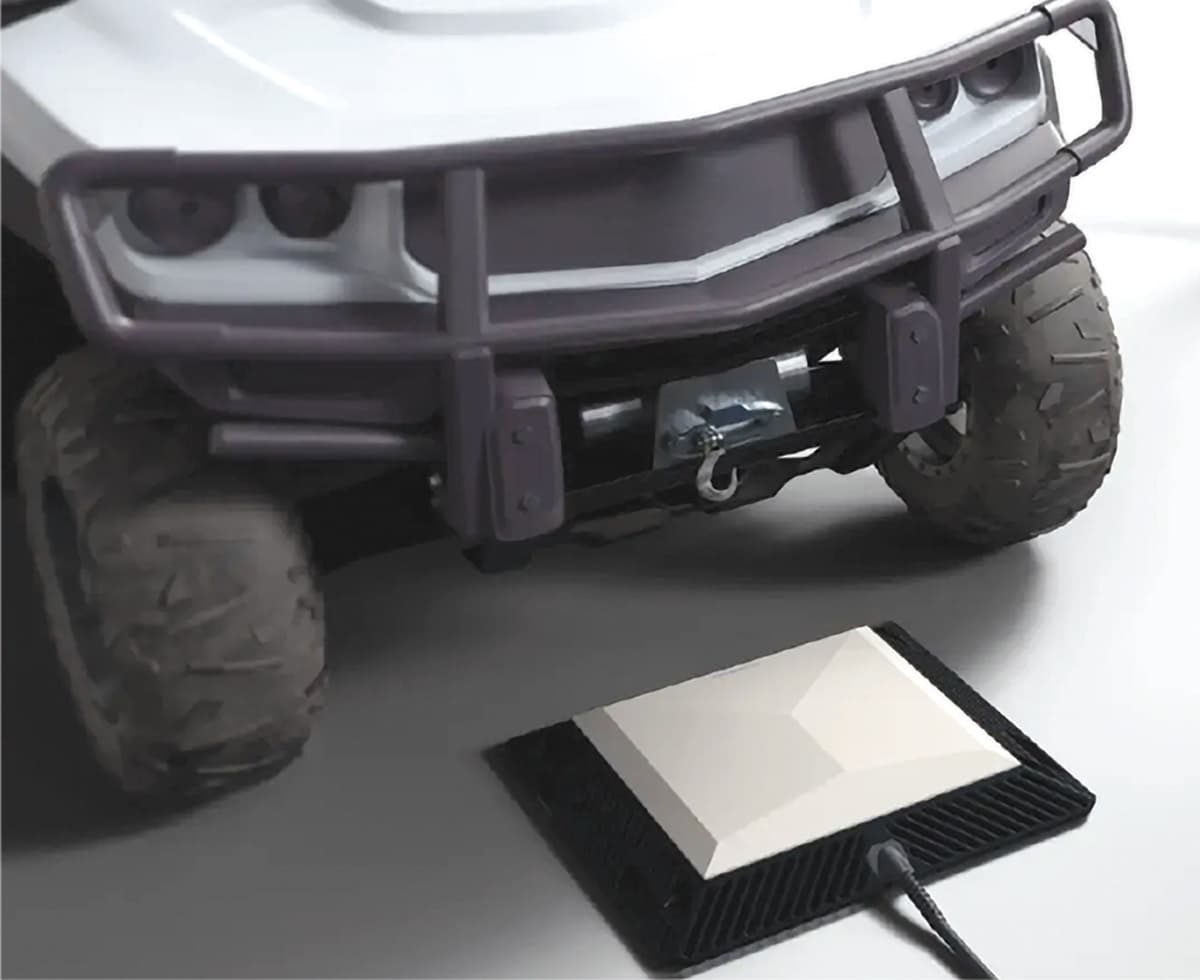
WiTricity AI Tech has added a lower-cost option to its golf cart wireless charging lineup. The MR/1 600 W system is priced at $1,625—half the cost of the company’s existing MR/1 900 W commercial unit—and is aimed at courses, communities and smaller fleets where the higher-power system isn’t necessary.

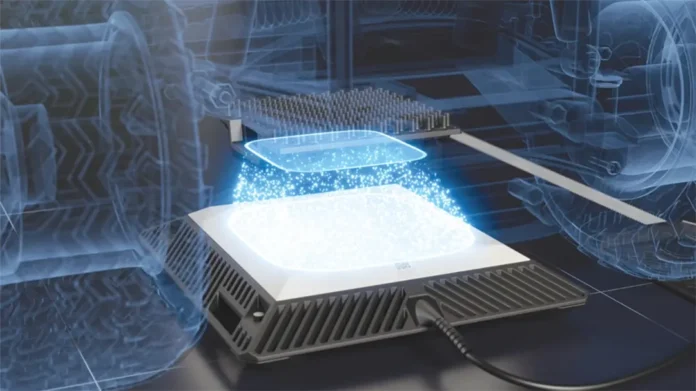
The 600 W unit uses the same contactless charging pad approach as the 900 W version: carts park over the pad and charging begins automatically with no cables, exposed contacts or user interaction. Charging times are slightly longer than the 900 W system but remain practical for daily operations, according to the company.

“For courses and communities that want the benefits of wireless charging at a lower entry cost, the 600-watt system delivers an excellent balance of performance, simplicity, and value,” said CEO Joe Benz.

The system is available immediately and is compatible with a range of golf carts and light electric vehicles.

Source: WiTricity


Source link

Charged EVs | Baltic Yachts electrifies sailing systems with Molabo’s 48-volt motors

0


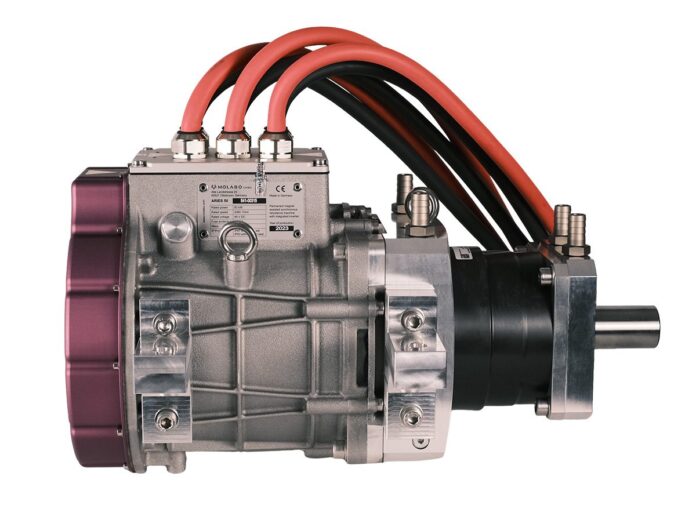
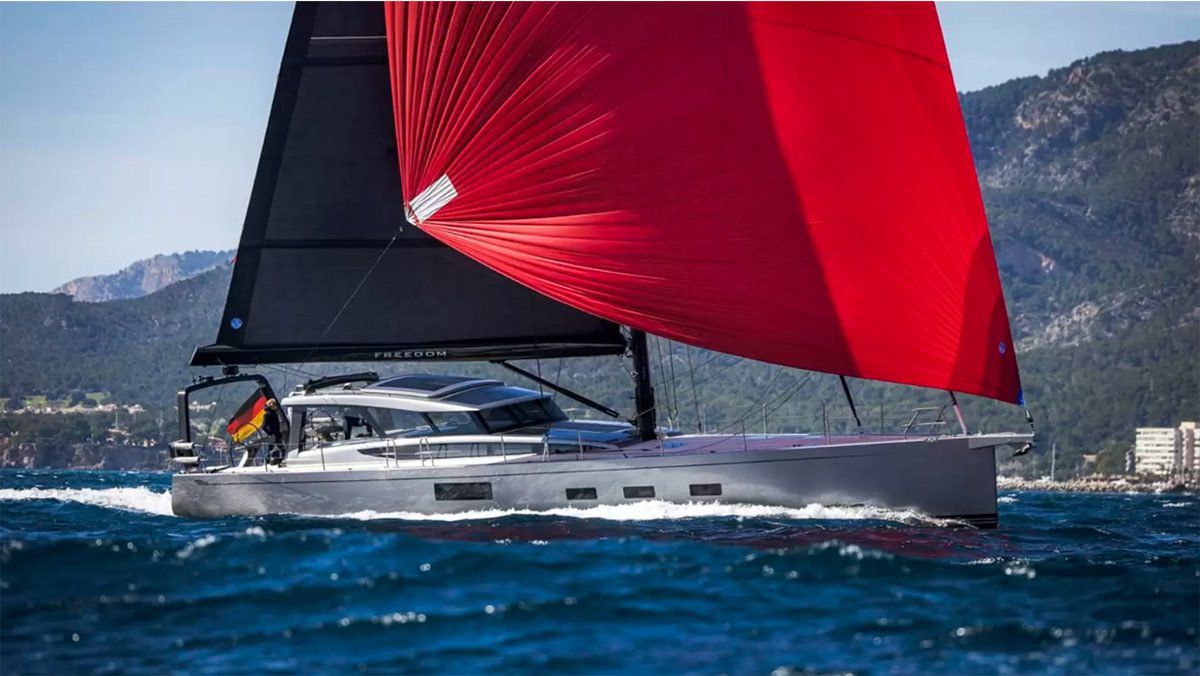
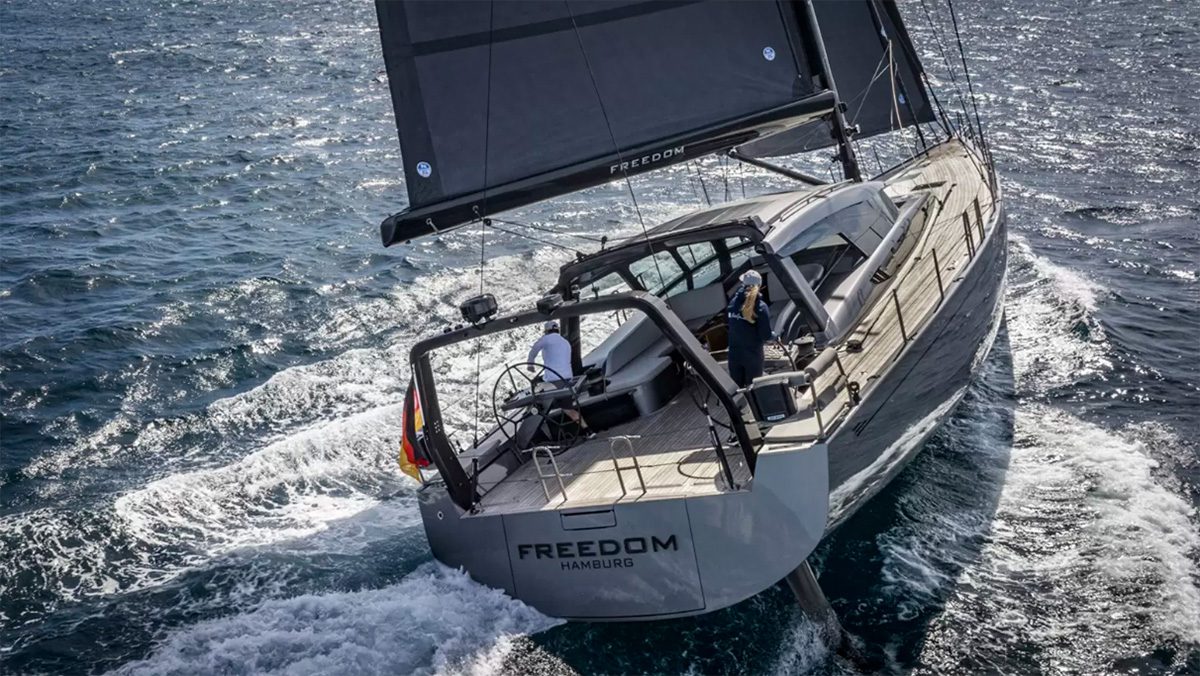
Baltic Yachts has been integrating Molabo’s 48-volt electric motors across a range of onboard functions on its sailing yachts—from propulsion and hydraulic sail handling to energy generation. The Finnish builder’s adoption of Molabo’s ARIES drives sidesteps the complexity and certification burden of high-voltage systems while delivering high torque, precise control and significantly reduced noise and vibration.

The low-voltage motors handle deck equipment, keel and rudder actuators, bow and stern thrusters, and parallel hybrid setups for harbor maneuvering. Baltic has also used the drives to generate renewable energy while under sail. In a subtler application, running the motor at very low output—200 to 500 W of electric thrust—can maintain momentum and optimize airflow, improving sail trim efficiency in light winds and helping foiling yachts stay on step.

“While sailing, the 48-volt motors allow us to operate essential systems while minimizing engine and generator runtime, and the high-capacity battery bank provides plenty of storage to power onboard amenities while at anchor,” said Kim Kolam, senior electrical engineer for Baltic Yachts.

Building on the platform, Molabo recently introduced a 50 kW jet drive and a 48 V serial hybrid system with Fischer Panda’s AGT-series generators—originally developed for Team Malizia’s IMOCA racing program. “The spectrum of vessels that can benefit from low-voltage electrification continues to broaden,” said Adrian Patzak, COO of Molabo. “These innovations allow builders to electrify onboard systems, support long-range or shorthanded cruising and power high-demand applications without dealing with high-voltage complexity.”

Source: Molabo


Source link

Charged EVs | Zūm launches fully electric school bus fleet in Branford, Connecticut

0


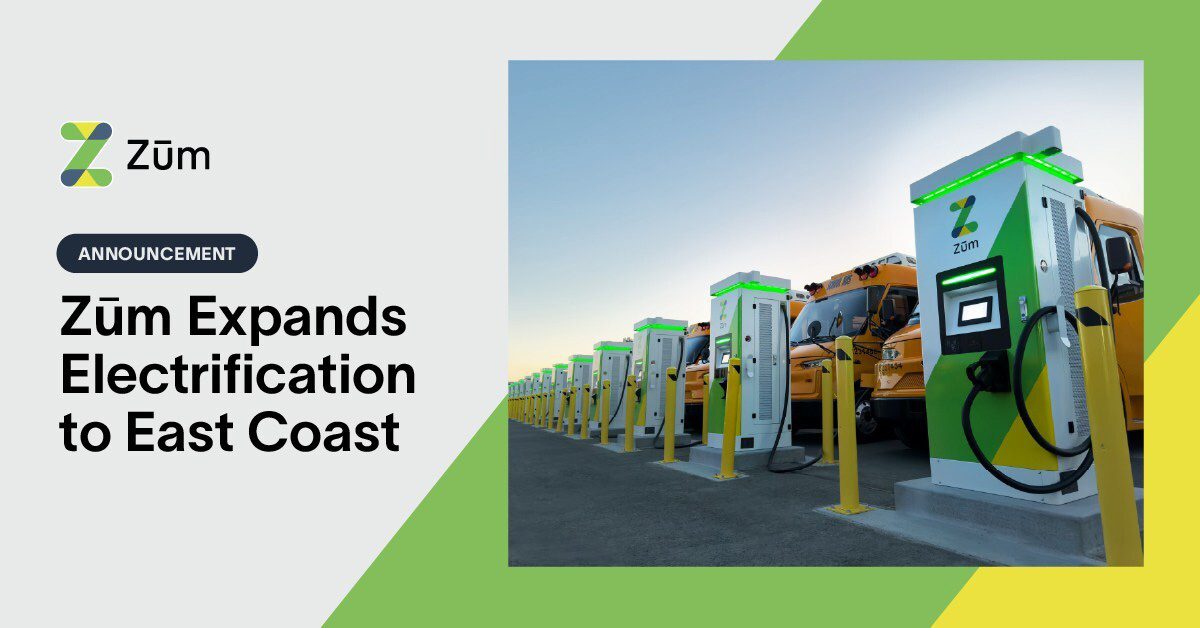
Student transportation provider Zūm will deploy a fully electric school bus fleet for Branford Public Schools in Connecticut, beginning in the 2026-27 school year. All the e-buses will feature built-in bidirectional V2G capabilities.

In 2024, Branford Public Schools awarded Zūm a 10-year student transportation contract with the goal of transitioning the district to a 100% electric school bus fleet within five years. The district reports that it is now on track to achieve this transition three years ahead of schedule.

School buses are an ideal use case for EVs, and the addition of vehicle-to-grid capability can make electrification a net source of revenue rather than an expense. Branford’s electric fleet will have the capability to discharge energy from the buses’ batteries to the local grid when they’re not on the road.

Zūm is currently working with school districts in 15 states, including in Los Angeles, San Francisco, Omaha, Boston and Kansas City. In the 2024-25 school year, the company deployed a fully electric school bus fleet for the Oakland Unified School District in California.

“This marks a major milestone in Zum’s continued national electrification expansion,” said Ritu Narayan, founder and CEO of Zum. “As we expand our electrification efforts to the East Coast and launch our first fully electric school bus fleet in the region, Branford is helping set a new national standard.”

Source: Zum


Source link

Charged EVs | Electrify America now offers 5,600 public EV chargers, including 1,100 with 350 kW

0


EV fast charging network Electrify America was established by Volkswagen Group of America in 2016 as penance for the automaker’s role in the emissions scandal we like to call the Dirty Diesel Debacle.

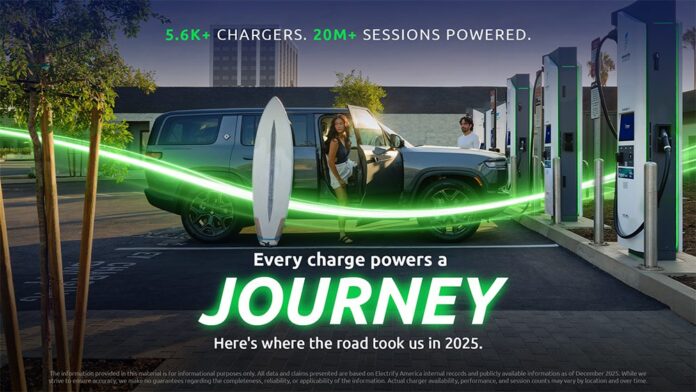
Since then, the company’s network has grown to include over 5,600 chargers in North America. EA recently opened two huge charging hubs in California, each with 20+ individual chargers. The company has also upgraded over 1,100 EV chargers to next-generation units that can deliver up to 350 kW of power.

EA reached several new milestones in 2025. Drivers completed over 20 million charging sessions on the network—a 21 percent increase over the year before. The company also increased its total energy delivered by 26 percent, surpassing a total of 750 GWh.

“As we approach our 10-year anniversary, I think about the millions of drivers who have shaped Electrify America into what it stands for today,” said President and CEO Robert Barros. “Our year-over-year growth isn’t just a sign of a strong company; it reflects a growing community of EV drivers who believe in an electric future.”

Sources: Electrify America, Electrive


Source link