Saturday, April 25, 2026
20.6 C
London
Home Blog Page 40

Charged EVs | Download the EV inverter thermal management case study

0


Sponsored by Honeywell.

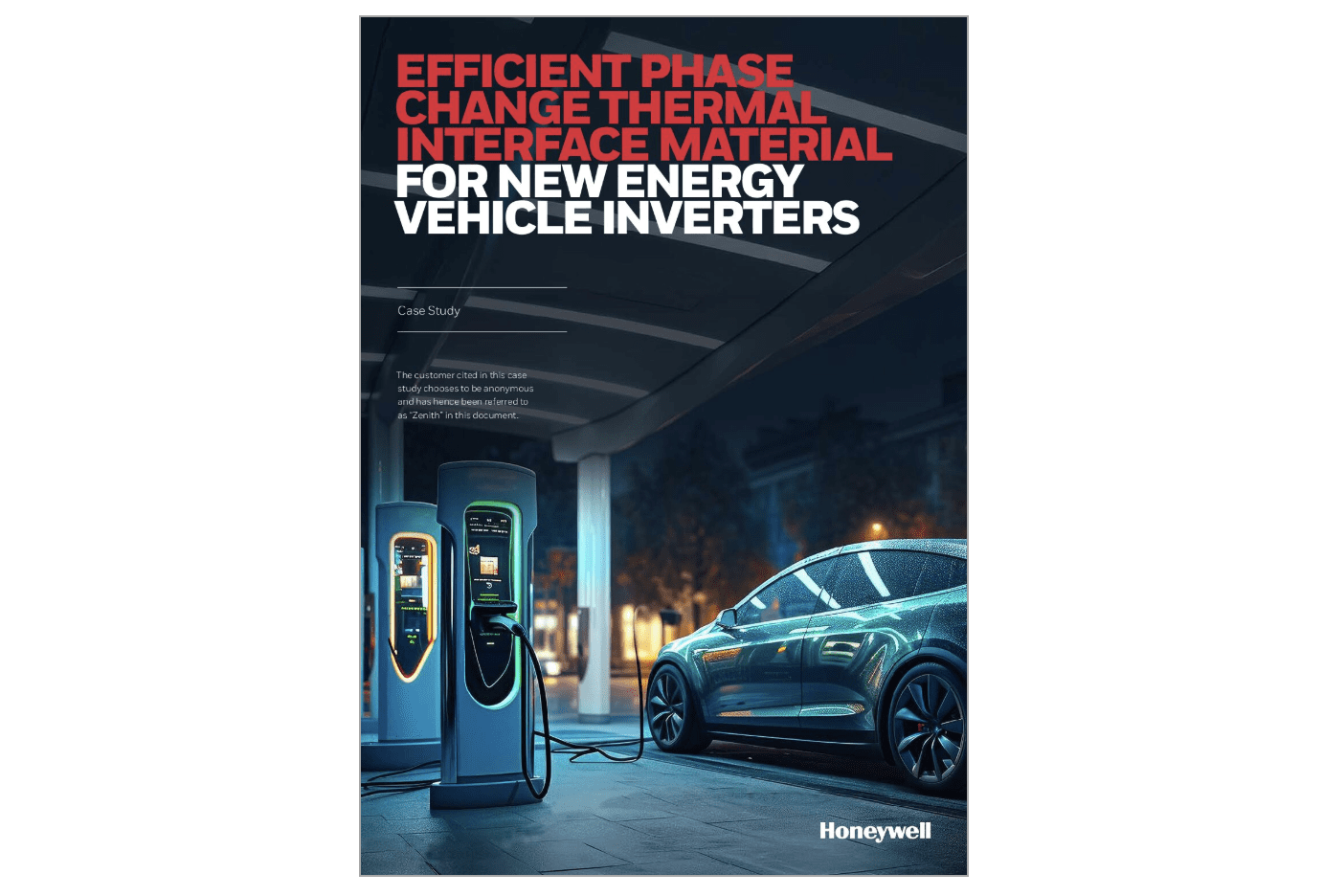
Recently, a leading manufacturer of EV inverters encountered a heat dissipation issue related to the inverter and required a reliable solution to address this challenge.

Download this case study to learn about diligently evaluating various options for thermal conductivity, high reliability, and suitability for thin gaps; and to learn more about Honeywell’s Phase Change Material (PCM) applications in EV inverter, on-board charger, and advanced driver-assistance system.


Source link

Charged EVs | Accuenergy debuts AcuDC 260 Series, revenue-grade DC power meters for EV charging

0


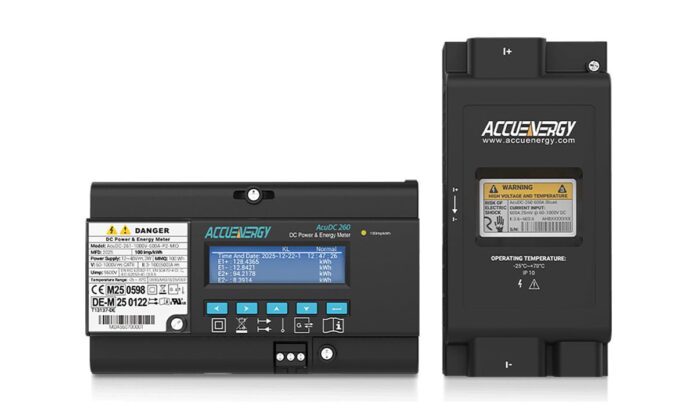
Accuenergy has launched the AcuDC 260 Series, a new generation of revenue-grade direct current power meters designed for EV fast charging, battery energy storage systems and high-voltage DC infrastructure.

The series includes two models: the AcuDC-261, which is certified for the European market under the Measuring Instruments Directive and Physikalisch-Technische Bundesanstalt requirements, and the AcuDC-262, which is certified to UL standards for North America and international markets. The series includes tamper-evident metrology, digitally signed transaction records in the Open Charge Metering Format, and cable-loss compensation to ensure precise billing.

The company says these tools enable OEM and charge point operators to meet strict metering regulations and support timely product deployment. For regions where MID compliance is not mandated, the AcuDC-262 is designed for global deployment, incorporating UL certification and the core metering capabilities of its European counterpart.

Both models measure direct DC voltage up to 1,000 volts with 0.1 percent accuracy and support dual DC current channels with 0.2 percent current accuracy. Additional technical features include support for shunt or hall effect sensors, bi-directional energy monitoring, cable loss compensation and integrated data logging for auditing and diagnostics. Data communications are enabled via Modbus RTU and Modbus TCP/IP for integration with energy management systems, SCADA, DCIM, and cloud platforms.

“As DC infrastructure expands globally, customers need metering solutions that deliver accuracy, transparency, and regulatory confidence,” said Vahid Behjat, Head of Product at Accuenergy. “The AcuDC 260 series provides a unified, revenue-grade DC meter that supports compliance EV charging in Europe and scalable deployment worldwide, helping manufacturers and operators bring products to market faster and operate with greater trust and efficiency”.

Source: Accuenergy


Source link

Charged EVs | CATL to deploy sodium-ion EV batteries at commercial scale in 2026

0


Chinese battery powerhouse Contemporary Amperex Technology (CATL) announced at a recent supplier conference that it plans to deploy its sodium-ion battery technology at commercial scale across multiple sectors in 2026. The company described expanded applications in battery swap systems, passenger and commercial EVs, and energy storage.

In April 2025, CATL announced the launch of its sodium-ion battery brand, Naxtra, and said that large-scale production of sodium-ion cells had begun. These products are offered in both passenger-vehicle power-battery formats and a 24 V battery solution for heavy trucks.

In September 2025, CATL said its next-generation sodium-ion battery achieves specific energy of up to 175 Wh/kg, and can deliver a driving range of 500 km in passenger-vehicle applications. Advantages of the sodium-ion batteries compared with traditional lithium-ion chemistries include improved safety and improved low-temperature performance. CATL’s sodium-ion cells are designed to operate across a temperature range from -40° C to 70° C.

The company’s sodium-ion battery products have passed China’s latest national battery standard, GB 38031-2025, for EV traction batteries. The national standard, scheduled to take effect in mid-2026, sets stringent safety requirements for thermal stability, mechanical impact resistance and cycling performance.

CATL plans to follow a “dual-star” policy of developing its sodium-ion and lithium-ion battery technologies in parallel. Analysts cited by Car News China described the global sodium-ion battery industry as shifting from early commercialization toward scaled deployment, with current market use concentrated in energy storage and low-range vehicles, and predicted substantial growth in the sodium-ion market through 2030 as the technology finds its way into more passenger and commercial vehicles. In 2025, average sodium-ion cell prices remained significantly lower than those of lithium-ion equivalents.

Source: Car News China


Source link

Charged EVs | REE Automotive and Cascadia Motion to develop next-generation electric drive units

0


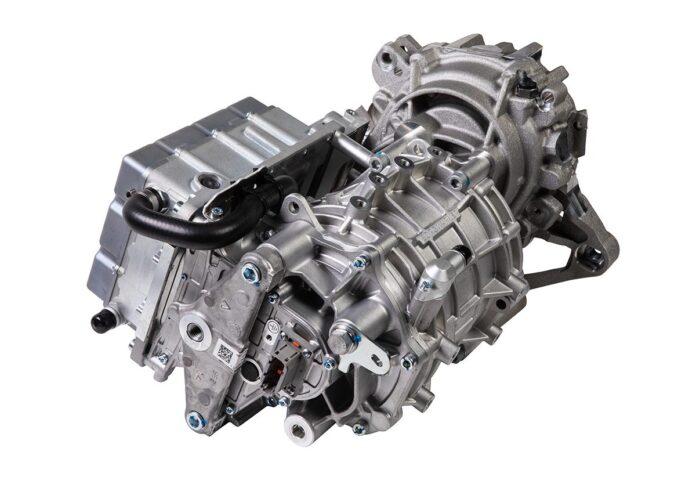
REE Automotive and Cascadia Motion, a subsidiary of BorgWarner, have announced a non-binding Memorandum of Understanding outlining joint development, manufacturing and commercialization of a new-generation electric drive unit (EDU) designed for EV original OEMs.

The compact EDU will integrate REEcorner technology with Cascadia Motion’s iM-125 inverter-motor module, targeting global availability as an off-the-shelf product for electrification programs. The EDU supports permanent magnet motors operating at 400 volts, with specified peak torque of 3,000 Newton-meters at gearbox output for 30 seconds, peak power of 100 kilowatts, maximum speed of 835 revolutions per minute, continuous torque of 2,150 Newton-meters and continuous power of 57 kilowatts. The unit employs a 19.17 gear ratio, water-glycol cooling (eight liters per minute at 65°C), and weighs 54 kilograms.

The product is expected to address the increasing demand for cross-platform, compact EDUs that enable higher functional safety, with support for ASIL-D certifications. The design is intended to simplify integration and reduce development times for OEMs by supporting secure, stable over-the-air updates and pairing with REE’s vehicle control units.

REE also reports plans to provide Cascadia Motion access to its existing assembly line, tooling, inventories and supplier network to expedite manufacturing, pending final agreements. In addition to the EDU, both companies plan to assess OEM demand for complete software-defined vehicle (SDV) solutions, based on REE’s zonal architecture that centralizes vehicle electronic control, supports modularity and redundancy and helps reduce on-vehicle wiring.

“Integrating Cascadia Motion’s iM-125 drive unit with REEcorner technology bolsters our portfolio of off-the-shelf electric drive solutions, providing our customers with even more flexibility in their electrification programs,” said Joseph McHenry, General Manager of BorgWarner Portland and the Cascadia Motion brand. “This collaboration reflects our commitment to delivering innovative, ready-to-integrate drive units that help OEMs reduce development time and streamline vehicle launch.”

Source: REE Automotive


Source link

Charged EVs | Nexeon commissions silicon-carbon plant in South Korea

0


Silicon battery materials manufacturer Nexeon has brought its silicon-carbon facility in Gunsan, South Korea to production-ready status.

Construction started last spring at the location in a key industrial hub in South Korea, which was chosen to ensure Nexeon has supply chain security. It has a reliable pipeline supply of monosilane gas, a key precursor material, through its close supplier partnerships.

The strategic location in Gunsan also offers direct access and proximity to Asian battery cell producers, accelerating integration into their existing battery supply chains.

The plant is designed so that Nexeon can install additional reactors to scale up production rapidly as demand for battery materials grows.

The company is now progressing to the final customer production qualification processes under automotive quality standards.

“The silicon-carbon materials produced at the Gunsan facility are designed to increase the energy density and charging speed of lithium-ion batteries significantly, addressing critical performance requirements for the EV and consumer electronics markets,” said Dr Scott Brown, CEO of Nexeon.

Source: Nexeon


Source link

Charged EVs | Kempower deploys MCS electric truck charging in Scandinavia and California

0


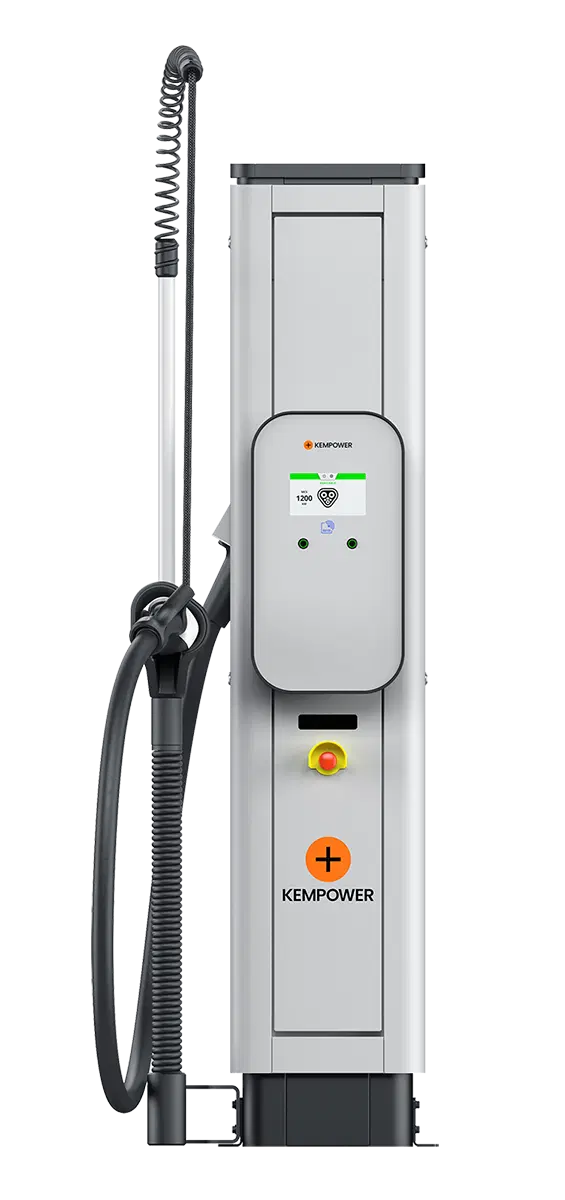
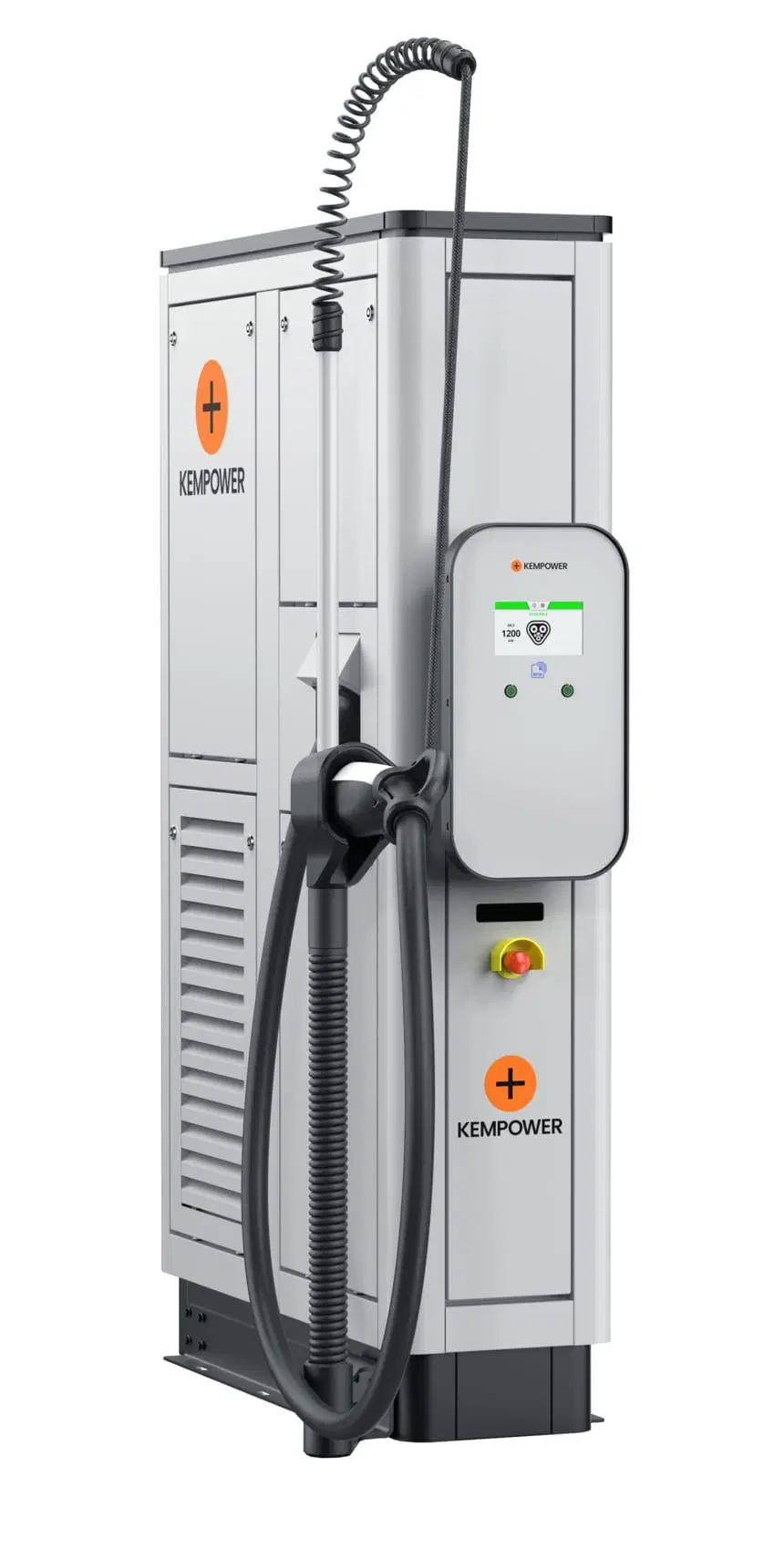
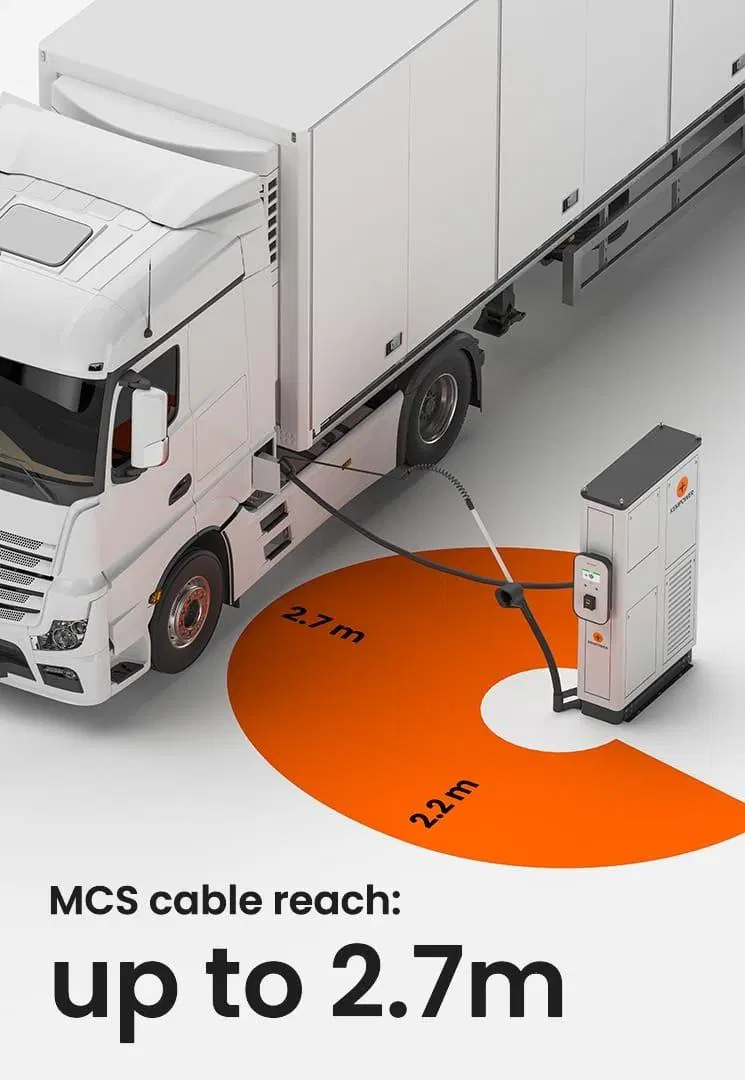
The Megawatt Charging System (MCS) is an emerging EV charging standard that (despite the name) allows commercial electric vehicles to charge at rates of up to 3.75 megawatts—fast enough for heavy-duty EVs to top up their batteries during mandated driver breaks or during loading and unloading.

EVSE manufacturer Kempower has been at the forefront of MCS development, and now that truck OEMs such as Traton, Volvo and Daimler Truck are demonstrating progress toward commercially available, MCS-capable electric trucks, Kempower believes that 2026 will be “the year of MCS.”

Kempower’s MCS deployments to date include:

  • Alfredsson Transport, Sweden: Kempower claims to have performed the world’s first public megawatt charging session in August 2025, at Alfredsson’s truck charging site in Norrköpingin.
  • Danske Fragtmænd, Denmark: a megawatt charging station for trucks opened in September in Odense, in collaboration with GodEnergi and Kempower.
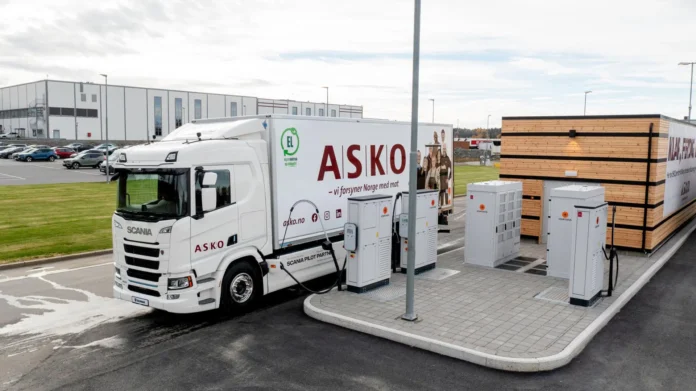
  • ASKO, Norway: a commercial MCS site is powered by Kempower’s distributed charging system.
  • Circle K, Sweden: Kempower MCS chargers are up and running at Circle K charging stations in Järna and Vädermotet.
  • EV Realty, California: Kempower will supply the MCS infrastructure for a grid-connected MCS site at EV Realty’s truck fleet hub in San Bernardino, California.

Kempower expects the transition to MCS to take place gradually over the next few years, and is therefore pursuing a dual strategy, deploying chargers that can accommodate both CCS- and MCS-compatible vehicles. The Kempower Megawatt Charging System supports the Kempower Mega Satellites, which offer peak power of 1.2 MW, and a variety of different CCS satellites. Existing customers can also upgrade existing systems to MCS by combining two 600 kW Kempower Power Units.

Source: Kempower


Source link

Charged EVs | CATL and SAIC Commercial Vehicles collaborate on battery swapping

0


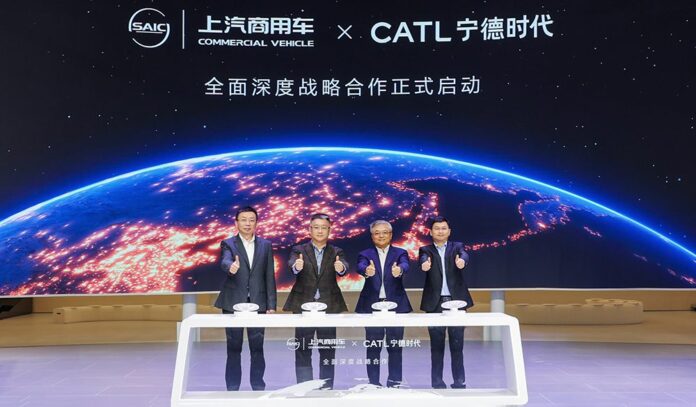
Chinese battery giant CATL and automaker SAIC Commercial Vehicle have formed a strategic partnership focused on joint technology research and development, commercial EV ecosystem building and global expansion.

The collaboration will include jointly building an integrated smart battery swapping ecosystem and green transportation capacity system encompassing “vehicle, battery, station and cloud,” and accelerating the transition of logistics transportation and urban delivery to EVs, CATL said.

CATL and SAIC Commercial Vehicles are jointly developing power battery technology, such as the CATL Tianxing Battery used in SAIC Maxus Dana series light commercial vehicles.

The companies are also piloting the Chocolate Battery Swapping model launched by CATL Electric Service. The solution allows batteries to be replaced in three minutes, improving vehicle uptime and operational efficiency.

CATL Electric Service plans to further expand its battery swapping network to reach 140 cities by 2026.

The “vehicle, battery, station, and cloud” integrated model encompasses advanced technologies such as intelligent driving and intelligent refueling to create a smart energy service system.

The companies intend to operate joint ventures internationally, leveraging resource integration and their complementary strengths to increase the competitiveness of Chinese commercial vehicles in the global market.

Source: CATL


Source link

Charged EVs | IonicRE to produce rare earths from magnet recycling with US Strategic Metals

0


Australia-based Ionic Rare Earths has signed an agreement with US Strategic Metals (USSM) to develop vertically-integrated rare earth production from recycling at USSM’s 1,800-acre (728.4-hectare) fully permitted site in Missouri.

IonicRE will provide its subsidiary Ionic Technologies’ patented rare earth permanent magnet recycling technology to develop commercial recycling capacity for neodymium iron boron and samarium cobalt.

The Missouri recycling facility is expected to produce neodymium and praseodymium as well as heavy rare earths including dysprosium, terbium, samarium, gadolinium and holmium. The companies will also evaluate other heavy rare earth recycling opportunities within the US.

The initial agreement focuses on producing high-purity, separated magnet rare earth oxides (REOs) in the US, and the cooperation will potentially expand in the future to include a range of magnet and heavy rare earths from strategically sourced mixed rare earth carbonate (MREC), the companies said.

The partnership supports the United States-Australia Framework for Securing of Supply in the Mining and Processing of Critical Minerals and Rare Earths the two countries signed in October 2025, which is aimed at delivering a US-Australia secured supply chain for critical minerals and rare earths.

“Magnet recycling is the fastest and lowest-cost pathway to developing an ex-China rare earth supply chain in the United States. IonicRE is leading this charge in this area, and we now look to replicate the capability we have demonstrated in the UK now in the US to provide a key strategic supply of magnet and heavy rare earths into the US supply chain,” said Tim Harrison, IonicRE’s Managing Director.

Source: Ionic Rare Earths


Source link

Charged EVs | EVE Energy partners with Green Whale to accelerate marine battery adoption

0


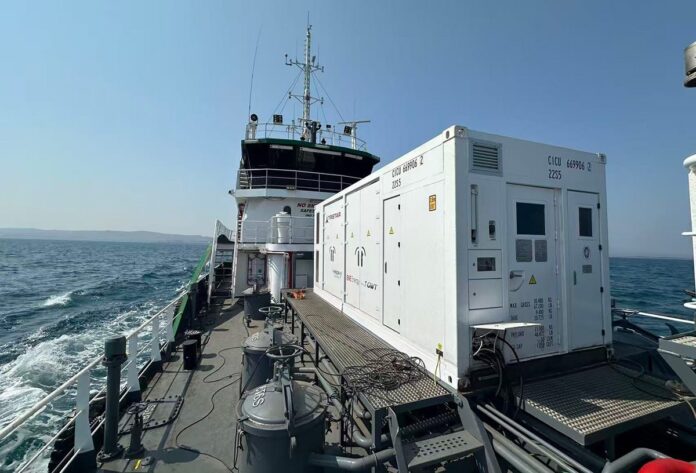
Chinese battery supplier EVE Energy and Green Whale Technology (GWT) have signed a strategic partnership agreement to provide marine battery energy storage systems (BESS) and service to customers worldwide.

The collaboration combines EVE Energy’s lithium marine battery system technology and GWT’s marine engineering, lifecycle service and commissioning expertise. The strategic agreement is structured as a back-to-back partnership to ensure EVE Energy provides comprehensive support, the companies said.

EVE Energy and GWT are actively expanding their presence in the tanker, container, public transport, heavy lift, port, offshore, aquaculture, short sea shipping and yachting markets. They are currently developing a new battery product based on two new types of battery cells, which is expected to come into the market in 2026.

The companies have already delivered a BV-class marine battery container in Asia.

While the high C-rate maritime battery market has been dominated by nickel manganese cobalt (NMC) cell-based systems, EVE supplies LFP marine batteries, which can offer a longer lifetime than NMC-based systems in many application scenarios. EVE’s active balancing technology enables the systems to deliver a lifetime of up to 15 years, reducing total cost of ownership.

To support customers globally, Green Whale Technology is establishing a Netherlands-based cloud service platform for local data compliance, digital security and mitigating geopolitical risks. Spare parts storage in Norway and the Netherlands will allow it to provide timely after-sales support in Europe.

EVE Energy’s BESS factory has the capacity to produce over 10 MWh per day to ensure scalability and timely delivery. The marine battery system is priced below $300 per kWh.

“By collaborating on all the key elements in BESS development, manufacturing, delivery and service, we aim to ensure that customers receive the best available battery technology, backed by global support throughout the product lifecycle of our systems. We are very proud that we can now extend the system’s lifetime to 15 years with an experienced local service provider, GWT, and look forward to seeing them deployed in the maritime markets,” Yong Cong Xiong, EVE Energy’s Head of Marine & Port.

Source: Green Whale Technology


Source link

Charged EVs | Schaeffler to show multiple electric powertrain innovations at CES 2026

0


Schaeffler, The Motion Technology Company, will showcase a number of new technologies related to software-defined vehicles, automated driving, magnet-free systems that eliminate rare earth minerals, and modular powertrain solutions at CES 2026 in Las Vegas in January.

Among the innovations Schaeffler will be presenting:

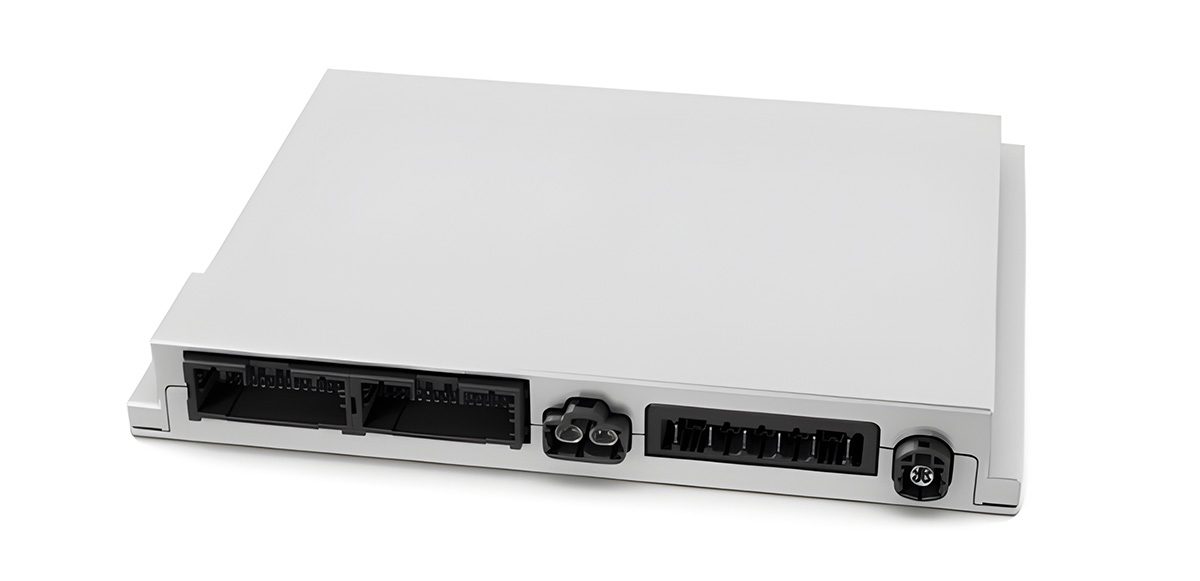
  • A reimagined Master and Zone Controller architecture, including the High Performance Master Control Unit (HP MCU), which incorporates a microcontroller and microprocessor to support secure cross-system communication, and Zone Controllers, which are embedded within defined vehicle zones.
Schaeffler’s HP Master Control Unit (MCU)
  • Generation 4 and 5 DC/DC Converters, which transform high-voltage battery power to supply low-voltage networks. Generation 4 offers 3.6 kW of power, redundancy for two-phase operation, and compliance with EMC and AUTOSAR standards. Generation 5 provides scalable 3.7 kW DC/DC power with flexible 400- to 800-volt input and 12- to 48-volt output in a compact package that weighs less than 2 kg.
  • Integrated modules for EV and hybrid platforms, including the SuperBox 4in1, a compact 800-volt power electronics solution that integrates the inverter, onboard charger, high-voltage DC boost and auxiliary modules (48 V/12 V).
  • Battery packs that encompass not only mechanical structures and battery cells, but also control systems, thermal management systems and system integration. Innovations include lightweight battery housings, new cooling systems to maintain optimal operating temperatures, and sensor technologies for monitoring battery condition and safety.
  • Steering and traction drive modules integrated for EV platforms—these combine motors, gear trains, active cooling and safety systems into a compact, unified solution.

“Schaeffler’s presence at CES this year reflects how rapidly we are advancing the technologies required for the next generation of software-defined and electrified vehicles,” said Jeff Hemphill, Chief Technology Officer, Schaeffler Americas. “By combining our expanded software capabilities with integrated motion, energy and control systems, we are creating architectures that reduce system complexity, enable real-time control, and eliminate dependencies on rare earth materials.”

Source: Schaeffler


Source link