Sunday, April 26, 2026
7.7 C
London
Home Blog Page 48

Charged EVs | Schaeffler showcases new compact EV range extender with integrated motor and power electronics

0


Schaeffler showcased a compact, highly integrated generator module for range extender electric vehicles (REEVs), new high-performance master control units designed for software-defined vehicles, and ongoing work on thermal management solutions using PFAS-free refrigerants at the CTI Symposium in Berlin.

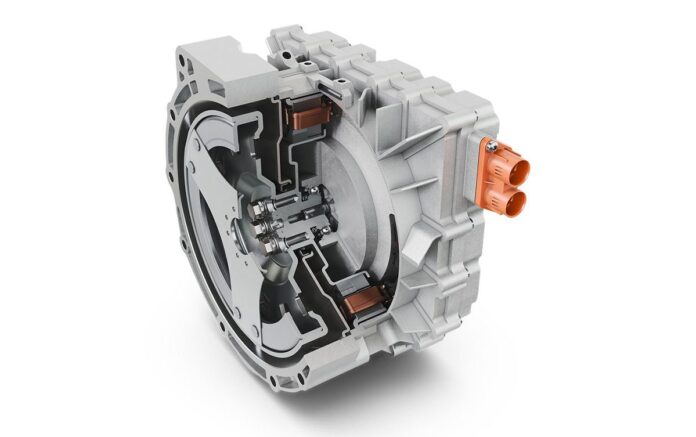
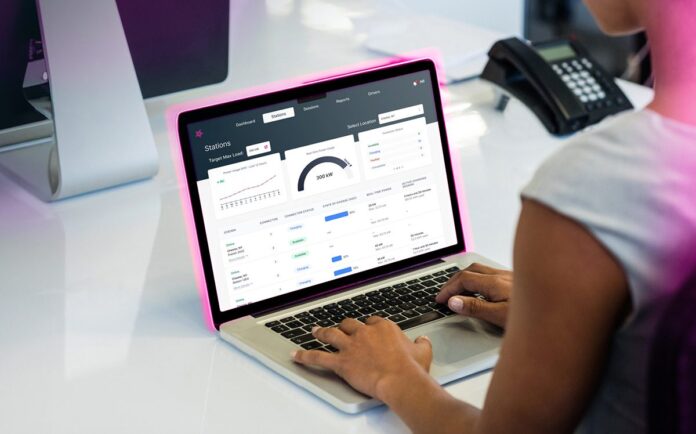
The new range extender module targets REEVs—vehicles gaining momentum in China and the US for applications that require extended driving range. Schaeffler says that the module combines an electric motor and power electronics, an integrated cooling system with oil pump, water connection and oil filter within a compact form factor. The Power Class 2 version delivers up to 300 kW of continuous charging power, directly providing energy to the battery and sufficient for towing pickup trucks with trailers. The range extender comes in 400 V and 800 V variants and operates when battery levels drop below a defined threshold. The smaller 80 kW module achieves an axial length under 200 mm, facilitating installation alongside an internal combustion engine and generator within EV powertrains.
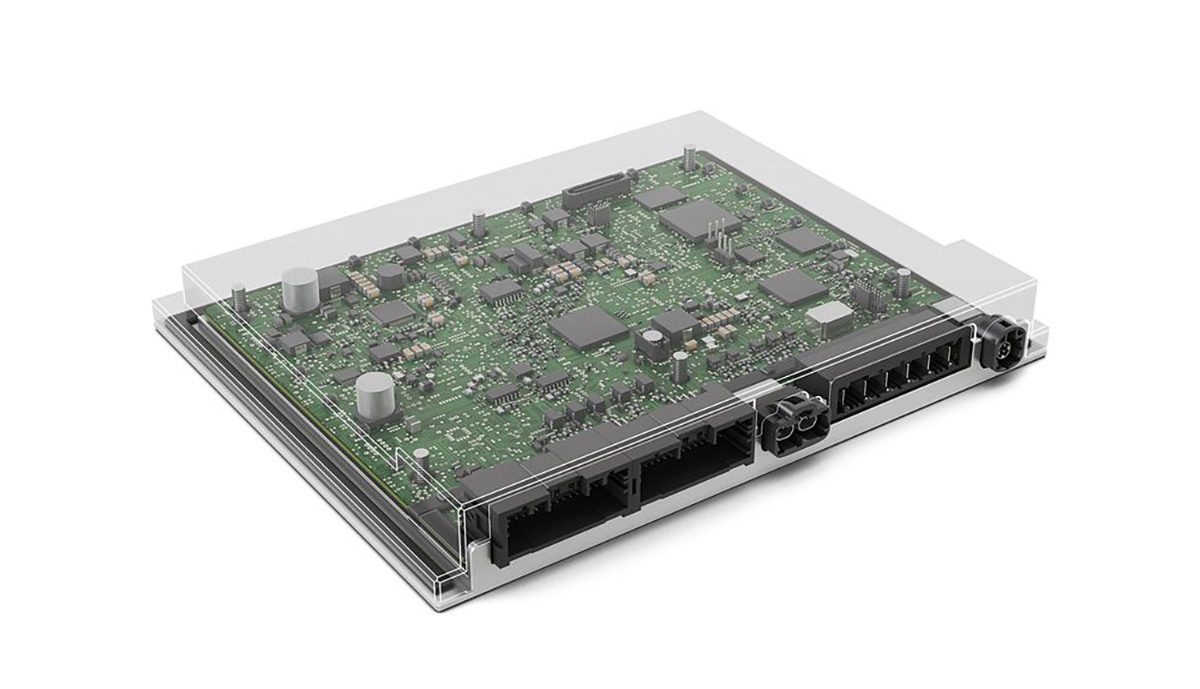
Schaeffler’s new High Performance Master Control Unit (HP MCU) for software-defined vehicles. The HP MCU, built on the Aurix T4x micro-controller family and optionally the S32 system-on-chip, follows a modular and scalable platform approach. Schaeffler says this unit as a central integration platform for all powertrain functions, intended to improve real-time control and enable more efficient orchestration of EV components.

Schaeffler also showed its VoltShield-P insulation bearing for electric motors. This solution is designed to prevent bearing damage from high-frequency circulating currents. The company also highlights ongoing development of thermal management systems compatible with PFAS-free refrigerants, including propane and carbon dioxide, to address evolving environmental regulations and operational requirements.

Schaeffler notes its product lineup is modular across mechanical, electronic and mechatronic components, and encompasses solutions for battery-electric vehicles, all hybrid configurations and REEV architectures.

“Thanks to its product range and innovative strength, Schaeffler is carving out a defining role in the e-mobility segment, because we really do cover everything, from mechanical components, modules and complete systems to solutions for modern vehicle electrical architectures with centralized software for the software-defined vehicle,” said Thomas Stierle, CEO E-Mobility at Schaeffler.

Source: Schaeffler

Topics: Schaeffler, Electric Powertrains, Electric Motors, Power Electronics, EV Control Systems, Thermal Management




Source link

Charged EVs | Vianode to build synthetic graphite plant in Ontario

0


Norwegian battery materials developer Vianode has chosen Ontario, Canada, for its first large-scale production facility for low-emission synthetic anode graphite. 

The project is structured as a phased, multi‑billion‑dollar investment, starting with an initial investment of over C$2 billion ($1.4 billion). Over time, planned expansions will bring total capacity to as much as 150,000 tons annually.

Vianode chose Ontario after an extensive selection and due diligence process. The company has conducted a front-end engineering design (FEED) study, and ground preparation works are underway to start production in 2028.

Vianode has produced synthetic anode graphite at its industrial pilot facility in Kristiansand, Norway, since 2021. In 2024, the company started operations at its Via ONE at Herøya, Norway, and earlier this year launched a new battery anode material made from synthetic graphite.

“North American supply chains are heavily reliant on graphite sourced from China for lithium-ion batteries, defense technologies, nuclear technology and more. A large-scale facility in Ontario delivering high-performance anode graphite solutions will provide Canada with domestic capacity that will make supply chains more resilient,” said Burkhard Straube, CEO of Vianode. “This scalable project is a key building block that aligns with recent shifts in trade policy and supports our ambition to be a leading and trusted supplier for G7 supply chains.”

Source: Vianode


Source link

Charged EVs | Electric Miles surpasses 11,000 flexibility dispatches across UK DSOs

0


EVs are increasingly being used as dispatchable resources for electrical grids, and companies are springing up to address this business opportunity.

One of these is the UK firm Electric Miles, which describes itself as “an EV smart charging and flexibility technology provider.” The company works with several of the UK’s electricity networks, including SP Energy Networks (SPEN), UK Power Networks (UKPN), National Grid Electricity Distribution (NGED), and Northern Powergrid, and says it has now delivered more than 11,000 flexibility dispatches through its SmartFlex platform.

In the past month, Electric Miles says it successfully executed over 1,000 automated demand-side response events, supporting grid stability during peak winter demand across several regions. As winter demand increased, Electric Miles’ platform enabled fast and automated load reductions across domestic EV chargers, helping distribution system operators manage local constraints through flexibility instead of expensive infrastructure reinforcement.

Electric Miles’ SmartFlex engine integrates real-time load management, day-ahead scheduling, and automated dispatch across mixed charger fleets. The company says the platform has demonstrated consistent accuracy and responsiveness at scale, giving DSOs access to predictable flexibility without manual intervention.

The platform is hardware-agnostic, and integrates with 400+ charger models.

“Flexibility is essential for operating a resilient and efficient distribution network, particularly during winter peaks,” said George Fournarakis, Flexibility Senior Specialist at SP Energy Networks. “Electric Miles [is] enabling EV drivers to take part in these services at scale.”

“Electric vehicle charging provides a growing source of flexibility, providing real benefits to networks like ours and putting money back in consumers’ pockets,” said Alex Howard, Head of Flexibility Markets at UK Power Networks. “If we can make it easy for people to do the right thing for the grid, we can reduce the overall cost of the energy system.”

“The growth of residential EV flexibility is an important part of preparing the electricity system for a decarbonised future,” said Doerte Schneemann, Flexibility and Markets Lead at National Grid. “Electric Miles’ approach, combining reliable automated response with strong customer engagement, shows how smart charging can support system needs at scale.”

Source: Electric Miles


Source link

Charged EVs | Nayax acquires Lynkwell to enhance EV charging platform with integrated software and payment solutions

0


Nayax has announced the acquisition of Lynkwell, an artificial-intelligence-enabled EV charging platform. Nayax says this deal will integrate Lynkwell’s advanced management software with its existing payment technologies, resulting in a unified solution for EV charging infrastructure deployment and operation.

Lynkwell’s platform has been evaluated and approved by numerous utilities, government funding programs, and procurement contracts. The acquisition will give Nayax partners direct access to Lynkwell’s suite of tools designed to help manage EV charging infrastructure across public domains—such as retail, multi-family housing, workplace, fleet and government settings. Currently, Lynkwell serves hundreds of fleets, including two of the largest in North America, and its software platform manages thousands of chargers hosted on multiple networks.

Don’t miss Lynkwell’s webinar:
The EV Charging Playbook: Boosting Your Top and Bottom Line in 2026

The combined platform, Nayax says, will maximize both financial and operational benefits for commercial and public charging applications.

Nayax funded the acquisition with $25.9 million in cash at closing, with the potential for additional earnouts based on post-closing profitability. Lynkwell reported audited revenues of $17.1 million for 2024 and substantial year-over-year growth.

“Lynkwell is an important partner in our strategy to build a comprehensive platform for EV charging,” said Aaron Greenberg, Chief Strategy Officer of Nayax. “Together we are opening the door to a more connected and intuitive charging experience, one where software and payments work in harmony to support the next generation of charging networks.”

Source: Nayax


Source link

Charged EVs | Ampere and Stratus Materials to explore cobalt-free cathodes for Renault EVs

0


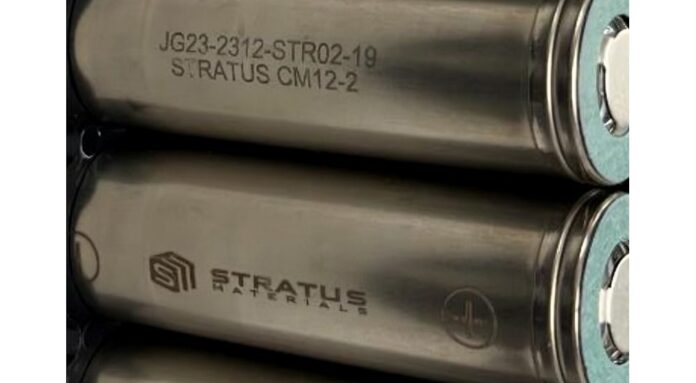
Ampere, the EV and software pure player from Renault, has entered into a joint development agreement (JDA) with Stratus Materials, a developer of cobalt-free lithium manganese oxide (LXMO) cathode active materials (CAM) for lithium-ion batteries.

The agreement marks the first step in evaluating the possibility of inserting Stratus Materials’ LXMO into Renault’s EV fleet and focuses on demonstrating the performance of the material in EV battery cells.

The technology will be tested in Ampere’s new Battery Cell Innovation Lab in Lardy, France.

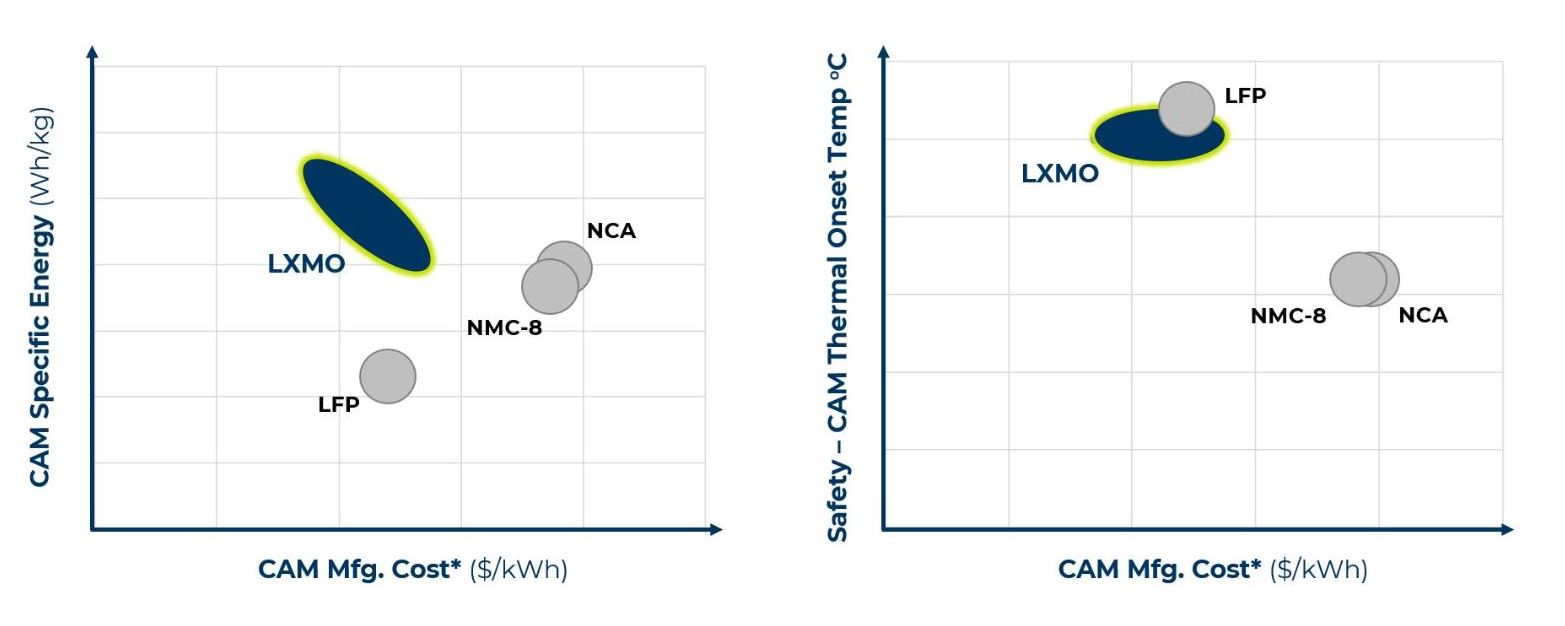
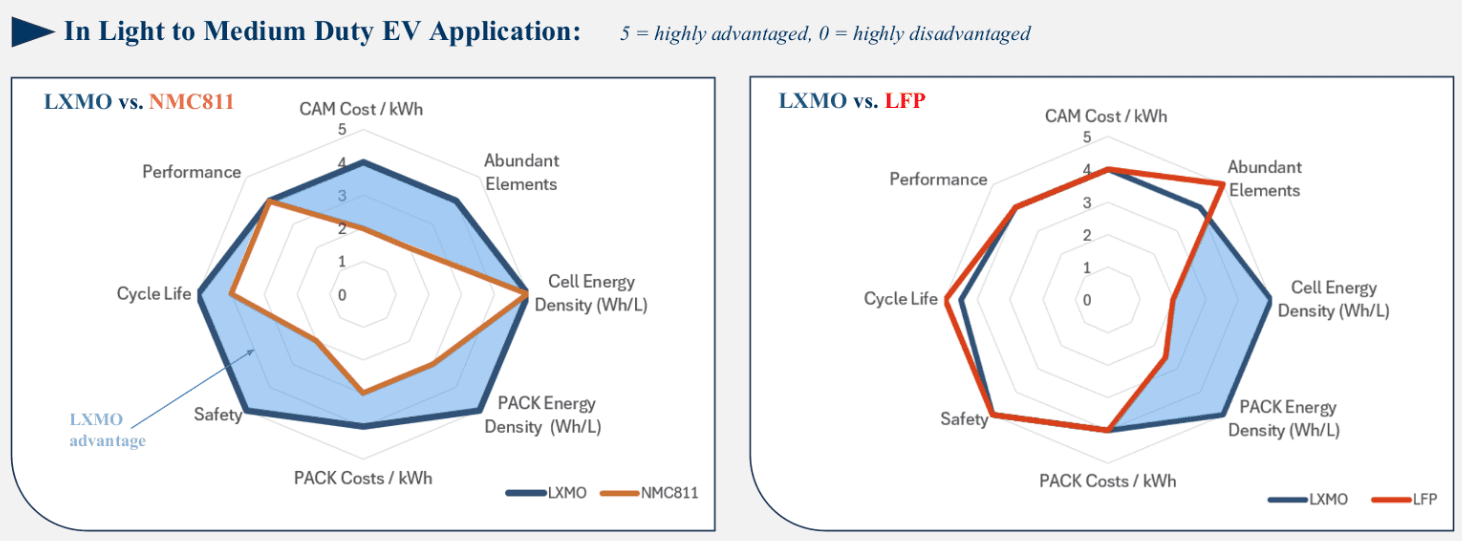
LXMO technology offers high energy density, comparable to that of NMC batteries, and cost similar to that of LFP batteries. At the systems level, the combination of improved abuse tolerance and high energy density results in pack-level energy densities that are up to twice that of either NMC or LFP battery packs, according to Ampere. This promises lower-cost vehicles that offer longer range and better safety.

The collaboration is part of Ampere’s battery strategy to develop cobalt-free technology. The company has developed NMC and LFP technologies that will be used in Renault’s cars from 2026.

“Ampere is looking closely at high-energy cobalt-free materials because of their potential advantages compared to incumbent cathode materials. Stratus’s LXMOTM CAMs have gained Ampere’s attention because of their unique and compelling combination of performance, cost, safety, and cycle life,” said Nicolas Racquet, VP Vehicle & Powertrain Engineering, Ampere.

Source: Stratus Materials


Source link

Charged EVs | UL Solutions expands testing to electric heavy equipment, motorcycles and scooters

0


US-based safety and certification organization UL Solutions has expanded its battery-powered vehicle certification services to electric motorcycles and scooters, as well as construction, agriculture and mining vehicles.

These new services will test whether vehicle electrical systems meet the requirements of UL 2850, the Outline of Investigation for Vehicle Systems of Electric Scooters and Motorcycles, or UL 2701, the Outline of Investigation for Electrical Systems for Construction, Agriculture and Mining (CAM) Vehicles.

The two certifications cover battery management systems and thermal runaway risks, as well as tests for critical safety circuits used to help power the vehicles, functional safety, component reliability, and electrical, mechanical and environmental testing that emulates real-world weather conditions.

UL Solutions’ battery testing laboratories, including its recently opened North America Advanced Battery Laboratory in Auburn Hills, Michigan and its laboratory in Changzhou, China, will support UL 2850 and UL 2701 testing by engineers from its facilities in Illinois, California and China. The company can also offer these services for manufacturers in Europe, the Middle East and Africa (EMEA) through collaborations with partner laboratories.

A UL Outline of Investigation (OOI) is a preliminary set of certification requirements created by UL Solutions to evaluate new or emerging products for which a more formal UL Standard does not yet exist. Products that have been tested by UL Solutions and successfully demonstrated compliance with an OOI can receive a UL Mark, indicating that they meet safety requirements.

“The launch of certification services for UL 2850 and UL 2701 marks a pivotal step in advancing vehicle safety across both urban mobility and industrial operations,” said Wesley Kwok, VP and General Manager of the Energy and Industrial Automation group at UL Solutions. “By addressing the unique safety challenges of battery-powered scooters, motorcycles, and heavy-duty construction, agriculture and mining vehicles, we’re helping manufacturers meet evolving regulatory requirements and accelerate the transition to safer, cleaner transportation—on the road and on the job site.”

Source: UL Solutions


Source link

Charged EVs | Eve Air Mobility selects i-charging as the charger supplier for its electric aircraft

0


Eve Air Mobility is building an electric Vertical Take-Off and Landing aircraft (eVTOL). It has selected i-charging as one of the suppliers of ground support charging equipment. The contract includes equipment supply and technical support throughout the operational life of the eVTOLs.

The charger i-charging is developing for Eve will ensure that Eve’s aircraft can be quickly recharged between operations, and will be designed from the ground up to meet the operational requirements of eVTOL vehicles, which include “absolute reliability.”

The charging solution will feature energy efficiency, remote monitoring, smart load management, integration with modern airport infrastructure, and adherence to international safety and cybersecurity standards.

“Being selected by Eve Air Mobility is a recognition of the quality and innovation we ‘bring to our solutions,” said Pedro Moreira da Silva, CEO of i-charging. “The charger we will develop for the eVTOL will demonstrate our team’s capabilities in cutting-edge electric mobility technology.”

Source: i-charging


Source link

Charged EVs | Redwood Materials starts recycling operations at South Carolina site

0


US-based Redwood Materials has started critical materials recovery at its Berkeley County, South Carolina campus, adding an initial 20,000 metric tons of annual production.

The company broke ground on the plant in early 2024. Redwood expects to expand the 600-acre campus over the next decade.

Redwood’s Nevada facility produced more than 60,000 metric tons of materials last year, making it one of the biggest sources of mined or recycled critical minerals in the US.

Redwood has a non-binding memorandum of understanding with GM to deploy energy storage systems using new US-manufactured batteries from GM and second-life battery packs from GM EVs. The company also has an agreement to supply Toyota with cathode active materials and anode copper foil to use in battery production at the automaker’s North Carolina battery manufacturing plant.

“By recovering critical minerals at scale, we’re building the foundation for American leadership in advanced manufacturing, infrastructure, and the high-power technologies of tomorrow,” the company said. “With recycling operations now online in South Carolina, Redwood is helping transform the US into a nation that can secure and reuse its own resources.”

Source: Redwood Materials


Source link

Charged EVs | Raytron develops thermal imaging tech for EV battery thermal runaway prevention

0


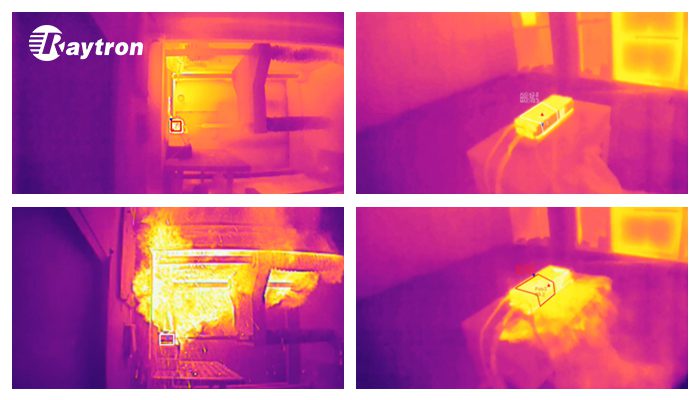
Infrared thermal imaging firm Raytron has unveiled its new thermal imaging technology for monitoring the lithium-ion battery lifecycle to prevent thermal runaway failures.

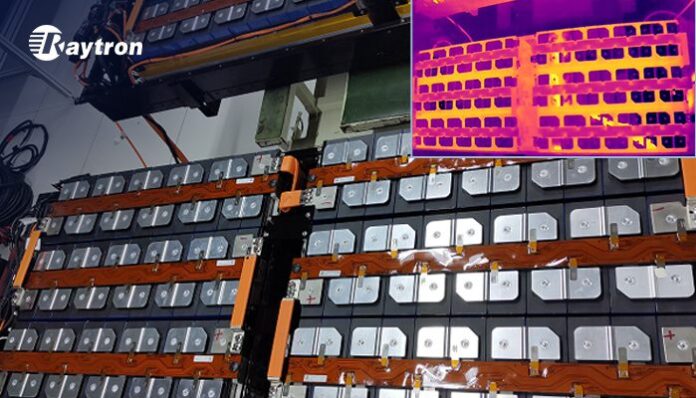
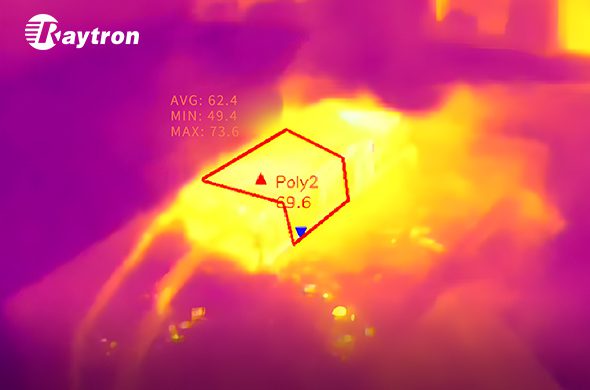
Infrared thermal imaging is a non-contact technology that can provide the necessary real-time, visual temperature data to intervene before a full-blown lithium battery fire is triggered. At the early signal detection, the thermal imaging identifies minute hotspots, which are early indicators of internal shorts, high-resistance connections or cooling failures.

The system can analyze temperature rate-of-rise patterns to provide predictive warnings, boosting the performance of traditional battery management systems, according to the company.

In R&D, infrared thermography cameras validate BTMS and structural safety by capturing heat propagation during stress tests, allowing engineers to design effective containment against thermal runaway battery spread.

During production, Raytron’s TN220 thermographic cube camera is used for quality control. It screens out high-risk cells that have micro-shorts or welding defects by detecting abnormal heat during fast charge/discharge, eliminating latent failure points.

In logistics, 24/7 thermal imaging scanners monitor warehouses for spontaneous hot spots, ensuring early intervention to prevent a lithium fire.

For after-sales service, handheld thermography cameras enable maintenance crews to quickly locate faulty cells or high-resistance connections, stopping minor heat anomalies from escalating into a full thermal runaway event.

Source: Raytron


Source link

Charged EVs | Commercial EV maker Flexis selects AMPECO’s EV charging management platform

0


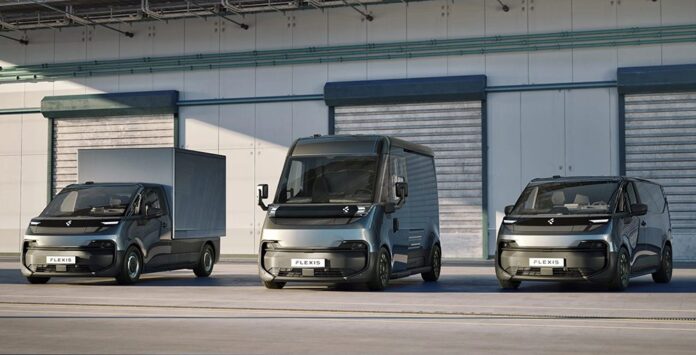
Automotive OEM Flexis, a joint venture among Renault Group, Volvo Group and French shipping and logistics company CMA CGM, has chosen AMPECO to provide EV charging management for its commercial fleet operator customers.

Flexis plans to begin vehicle production in 2026, and aims to build “a holistic electrification solution for the city logistics market.” The company’s offering will encompass EV-native vans, B2B fleet digital solutions and financial services. AMPECO’s platform will serve as a key part of the Flexis digital ecosystem, connecting charging operations with vehicle telematics and fleet management workflows.

AMPECO offers a white-label, hardware-agnostic EV charging management platform. The company supports over 180 charging network operators in some 70 countries. (See our in-depth interview with AMPECO CEO Orlin Radev.)

“Logistics operators often face fragmented electrification journeys, coordinating multiple stakeholders with distinct platforms and interfaces,” Flexis explains. The company aims to eliminate this complexity by consolidating vehicles, charging and related services into “a single, seamless offering” (what US operators might call Fleet as a Service).

Flexis selected AMPECO for “its proven reliability, charger-agnostic approach, and comprehensive APIs that enable seamless integration with Flexis’s digital platforms.”

“One of the biggest challenges our customers face when transitioning to electric vehicles is figuring out how to manage their operations, and the greatest pain point by far is charging,” said Pierre Sirolli, Head of Services & Solutions at Flexis. “This is where AMPECO brings a vital piece of the puzzle.”

“At Flexis, we’re building a platform where AMPECO plays a strategic role in delivering visibility and insight into charge point operations. By combining telematics and charging functionality, we provide full control and oversight of customer operations through our dashboard and operations center,” said Magali Boisjot, Charging Solutions Leader at Flexis.

“Our platform’s flexibility unlocks the capabilities Flexis needs to deliver dependable EV charging at scale,” said Glenn L’Heveder, VP Business Development Europe at AMPECO. “We handle the complexity of charging operations and deliver the uptime their customers depend on, while Flexis maintains complete control of the customer experience.”

Source: AMPECO


Source link