Cyberdefense specialist Xiid has announced a strategic partnership with eVerged. The companies aim to strengthen EV cybersecurity by using Xiid’s Terniion zero-trust application control platform, and by embedding Xiid’s SealedTunnel cybersecurity tech into eVerged’s offerings.
“The rapid expansion of EV infrastructure has introduced a growing number of escalating cybersecurity challenges, threatening charging stations, millions of individual devices, even the stability of power grids,” eVerged explains. “Together, eVerged and Xiid are securing the EV charging ecosystem from vehicle to cloud. The new joint solution delivers next-generation cybersecurity across billing systems, charging stations, EVs and networks, addressing critical vulnerabilities while protecting data transport and ensuring secure billing.”
The companies offer a range of benefits to different types of customers:
For charging station operators, reduced downtime and liability.
For EV drivers, protection of sensitive data.
For municipalities and fleets, a scalable model to meet compliance and security mandates.
For utilities and billing providers, protection of the integrity of data transport and transactions across distributed charging networks.
“EV charging is a critical link in the clean energy future, but the scale of its impact makes it a vulnerable target,” said Xiid CEO Steve Visconti. “Together with eVerged, we’re delivering end-to-end protection—making charging systems undiscoverable, eliminating lateral movement risks and ensuring billing integrity.”
“eVerged was founded on the belief that security must be built into EV infrastructure from day one,” said eVerged President James Dion. “Xiid ensures that eVerged customers—whether drivers, enterprises or municipalities—can charge with confidence, knowing their data, transactions and vehicles are fully protected.”
Electrification announcements by major, well-known fleet operators get lots of publicity, even if these initiatives never make it past the pilot stage. But away from the headlines, small and mid-sized commercial fleets may offer more bang for the emission-reduction buck.
A new white paper from Mitra EV, Small Fleets, Big Impact: A National Study of EV Adoption, describes a comparative analysis focused specifically on small- and medium-sized business (SMB) fleets. Funded in part by a grant from the DOE and conducted in partnership with Clean Cities and Communities coalitions in California, Colorado, Georgia and Ohio, the study includes insights from over 300 survey responses and in-depth interviews with fleet operators.
As Mitra EV explains, SMBs represent 99% of US fleet operators, and they often operate vehicles that are well suited for electrification, particularly commercial pickups and vans used on predictable local routes.
The study found that awareness is the primary barrier to electrification. Only 26% of SMB fleet managers surveyed said they feel knowledgeable about EVs, even though many electric pickups and vans are already cost-competitive on a total cost of ownership basis. The researchers also found that, once fleets deploy their first EVs, they are highly likely to add more—often attracting private charging investment along the way.
The researchers recommend prioritizing electric pickups and vans as gateway vehicles, and investing in shared charging hubs designed specifically for commercial use.
“The evidence is clear: small leads to greater impact,” said James Tong, Chief Strategy Officer of Mitra EV. “Electric pickups and vans are market-ready, charging is straightforward, and most fleets operate at this scale. Start here, and electrification moves faster.”
“These findings extend beyond small business fleets,” said Cynthia Maves, Board Vice President, Clean Fuels Ohio. “They offer practical guidance for policymakers, utilities and market participants seeking to accelerate electrification in a cost-effective way. By focusing on segments that can deploy quickly and reliably, programs can deliver measurable impact while building long-term momentum.”
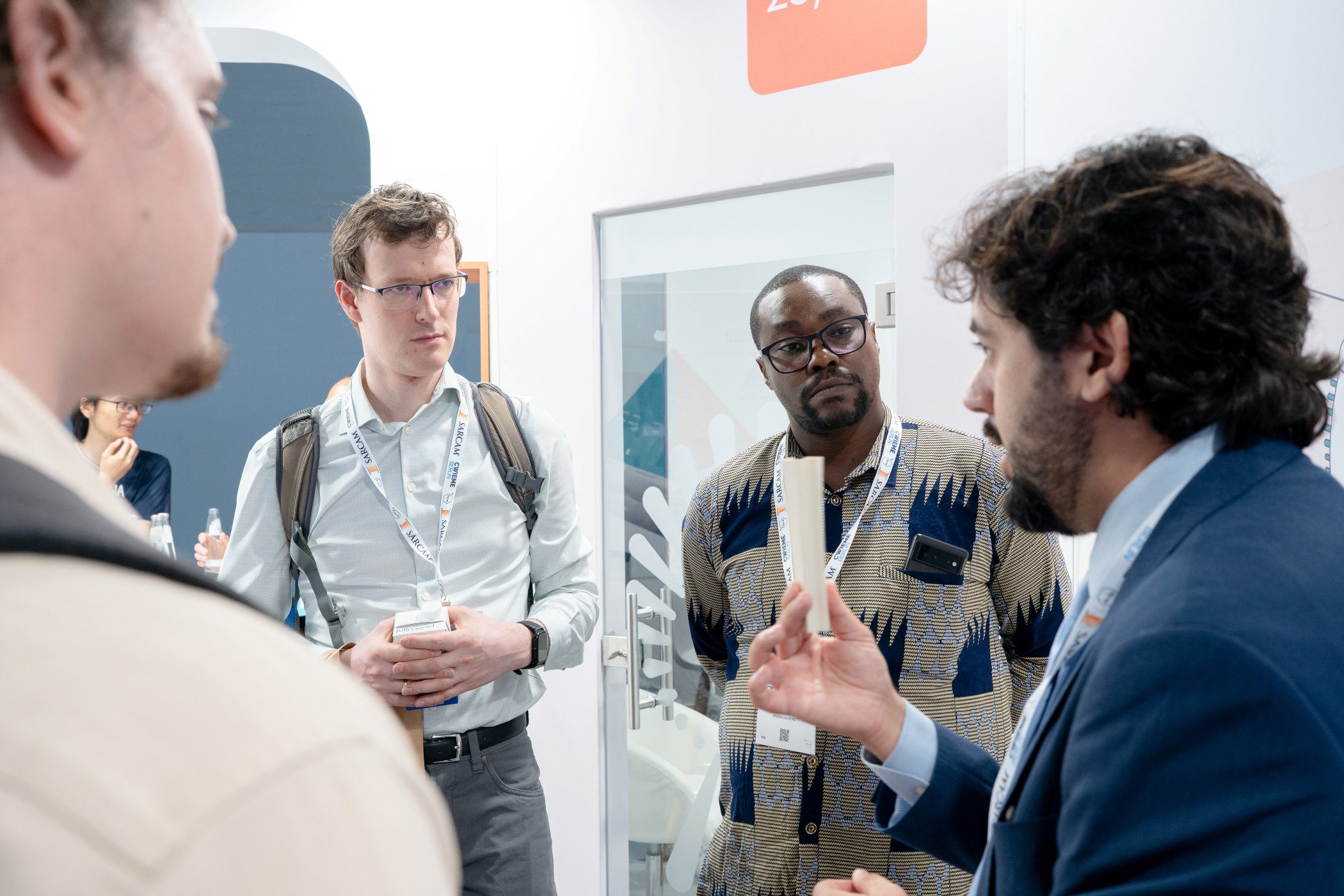
CWIEME Berlin, the leading exhibition for the electrification supply chain, is bringing back its industry awards for the first time in four years, following strong interest from the electrical engineering community. Celebrating the people and projects driving the next era of electrification, the awards ceremony will take place during the exhibition on May 21, 2026.
Four award categories have been announced, open to a wide range of applicants, from engineers and innovators to students and sustainability leaders.
Product of the Year
Engineer of the Year
Sustainability and Leadership
The Future Engineers Award, sponsored by Hitachi Energy
Together, the awards recognise innovation across the electrification ecosystem — from product development and engineering excellence to sustainability and the next generation of talent.
The deadline for entries is April 13.
A key focus of the awards is developing the next generation of engineering talent. The Future Engineers award, sponsored by Hitachi Energy, highlights the importance of developing the next generation of engineering talent, recognising standout student and early-career projects with strong industry relevance.
The awards form part of CWIEME Berlin’s 30th anniversary programme, highlighting the technologies, products and engineering talent shaping the future of electrification across the supply chain.
CWIEME Berlin 2026 takes place at Messe Berlin from May 19 to 21. Entries are now open across all categories.
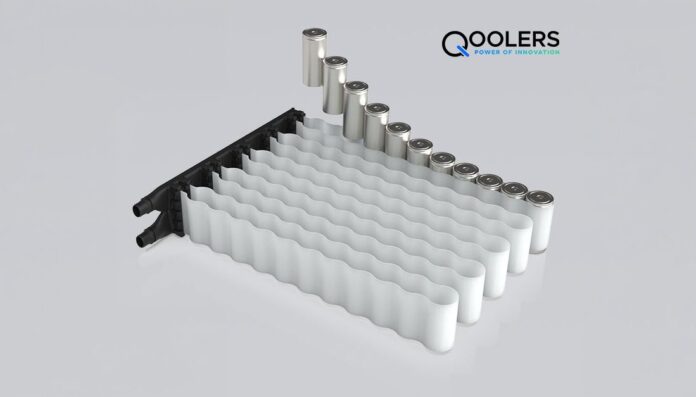
Qoolers has introduced BTMS CORE, a tube-based liquid heat exchanger for battery modules that the company says can reduce cooling-system weight by more than 70% compared with conventional aluminum designs while maintaining tighter thermal control.
The Czech company says BTMS CORE is designed to keep cells in the 20 °C to 40 °C operating window through direct tube contact, supporting both cooling and heating. According to Qoolers, the architecture improves thermal uniformity across the module, helping avoid hotspots that can accelerate degradation and undermine fast charging performance.
Qoolers claims BTMS CORE delivers heat transfer that is 3.4 times faster than conventional systems and improves efficiency by 29%. The company is also says the system is more than 90% recyclable, and its modular tube-based architecture is intended to simplify integration into series or parallel battery module layouts.
Qoolers is targeting EVs, energy storage, robotics and other high-power applications—basically any battery pack where thermal performance matters, but pack mass and packaging also matter. In battery systems, lighter cooling hardware can be an underrated win: every kilogram not spent on thermal management is a kilogram that can go to cells, payload or range.
The UK Battery Industrialisation Centre has opened a new Flexible Pilot Line in Coventry aimed at helping UK battery startups and SMEs move promising technologies out of the lab and prove they can scale at lower cost and lower risk.
According to the Department for Business and Trade, the new line is the only facility of its kind in Europe and is intended to fill a gap between laboratory development and full commercial production. UKBIC says the facility gives smaller companies a way to validate new chemistries and materials at a meaningful scale before moving to its Industrial Scale Line for commercialization.
The first two companies set to use the line are Echion and Ilika, both working on next-generation battery technologies. Ilika will use the facility in collaboration with Jaguar Land Rover and Oxford University. The government says the line will support battery development not only for EVs, but also for defense and maritime applications.
The facility was backed by £38 million in government funding through the Faraday Battery Challenge. “The FPL further strengthens our offering to industry, giving start-ups and SMEs a great opportunity to bring their innovative chemistries and materials to us to prove at scale before moving onto our ISL for full commercialisation,” said UKBIC Managing Director Sean Gilgunn.
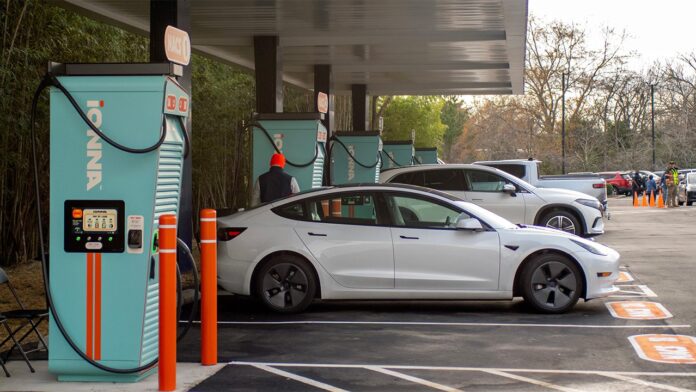
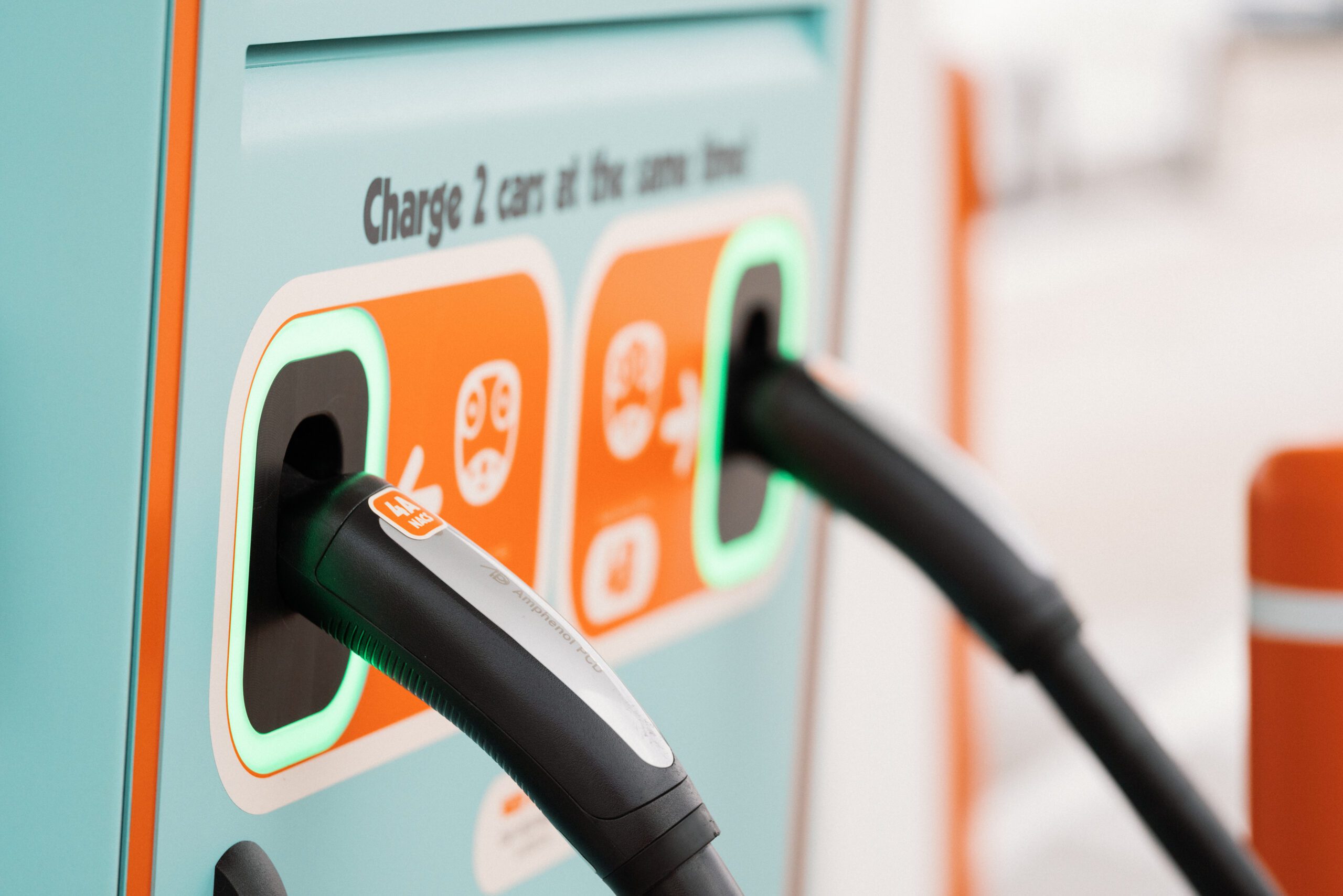
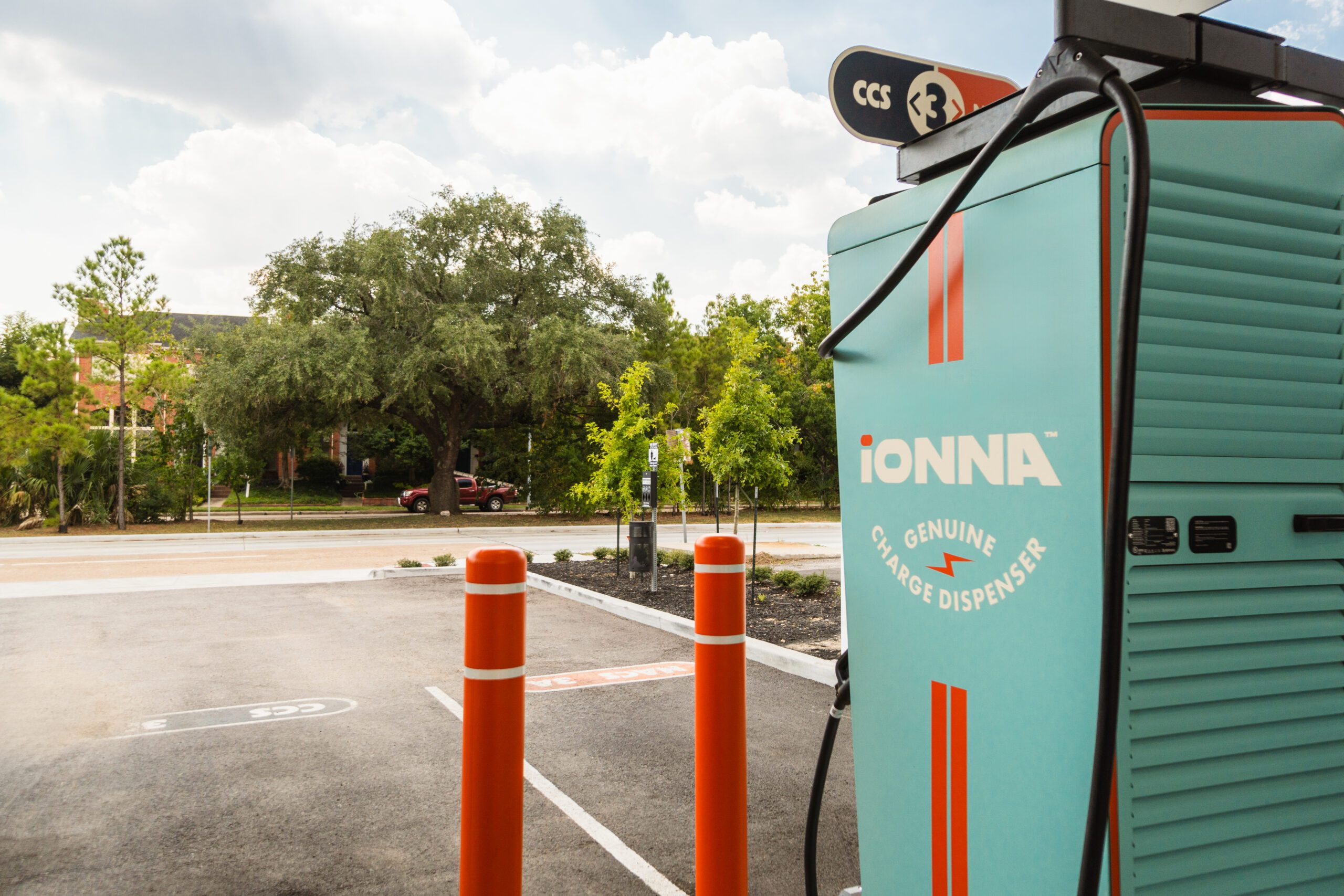
Over just a year, Ionna—the high-speed charging network backed by 8 automakers—has opened 100 sites that are reliable and pleasant. And it has 340 more in process.
Two years after the Ionna EV fast-charging network was announced, and 13 months after it officially opened its first handful of sites, it switched on its 100th site today—with another 340 already contracted and in process. Today it has just under 1,000 live charging bays, with 3,700 more in process.
To mark that occasion, Ionna also launched new benefits that will roll out to drivers of EVs sold by the eight automakers that funded the network. Those makers are BMW, General Motors, Honda, Hyundai, Kia, Mercedes-Benz, Stellantis, and Toyota.
The first such benefit appeared two weeks ago for drivers of General Motors EVs: a 10-percent discount on all Ionna charging sessions initiated via either Plug & Charge or the appropriate app from Chevy, GMC, or Cadillac. Another founding maker will launch its own discount in March, said Ionna CEO Seth Cutler. That will be followed by a third maker in April, with the rest rolling out over the balance of the year.
Coming up: loyalty programs
Speaking with Charged, Cutler laid out a further range of options its automaker backers can choose to provide to their EV buyers. They include charging credits for new buyers, maker-specific subscription programs, prepaid discount charging cards, and loyalty rewards for frequent use. Makers can mix and match benefits depending on which they feel best suit the needs of those customers.
While many other EV charging networks stress membership for users and offer different price tiers to members, those programs are usually limited to discounts on charging within that network. Automaker loyalty programs span a much wider range of products and services, from parts and maintenance at dealerships to discounts on vehicle purchases or leases, merchandise, and more.
Once Ionna’s eight makers have these features launched and available, Cutler said, Ionna can then assess whether its site partners—including convenience stores like Caseys, Sheetz, and Wawa—want to integrate EV charging into their own loyalty and rewards programs. Those programs can be powerful, with estimates of 40 to 60 percent of “C-Store” customers belonging to the programs, though adoption and results vary greatly,
Meanwhile, what would Cutler say to drivers of EVs from Audi, Ford, Lucid, Nissan, Rivian, Tesla, and Volkswagen—the makers who are not financial backers of Ionna? “Come and charge with us!” he responded, noting that the Plug & Charge protocol works for cars from several makers that are not its founding partners.
Reliable, pleasant experience
With a staff drawn from a variety of other charging networks and EV makers, Ionna’s goal from the start was to “right the wrongs of the past” and create an EV charging experience that was better than any competitor’s—because its automaker backers knew that was table stakes for success in selling EVs in the long term.
By and large, Ionna stations have garnered rave reviews (for instance, here and here). And anecdotally, this reporter has heard no notable complaints from EV drivers about failed charging sessions or unpleasant experiences at Ionna sites. Of course, part of that may be lack of awareness: The Ionna network is only a year old, and Cutler admits, “We don’t do a lot in marketing right now, because I’m more worried about delivering the best quality I can.”
That includes keeping stocks of spare parts around the country and, he said, occasionally putting parts in a suitcase and putting an employee on a plane to get to the site of a station to fix a problem as quickly as possible. Still, Cutler admits Ionna has been learning as it goes.
Customer complaints have included overflowing trash cans—“We’ve had a whole team focus on how to do better at trash”—and it’s had to understand local circumstances along the way. “Hey, guess what, you can’t use water-based Squeegee fluid in the middle of winter! In Minnesota, you have to use an alcohol blend, because otherwise it freezes.” Left unsaid is that most of Ionna’s competitors don’t offer squeegees, or windshield washer fluid, or air pumps, in the first place.
Canopies, another major user preference, are now in place at roughly one-third of Ionna sites, Cutler said. They generally require additional layers of permission from C-store operators, their landlords, and often local zoning authorities, whereas Ionna’s bias has been to get reliable stations up and running as fast as possible. Most of its competitors have few to zero canopies over their charging stations.
Shoutouts to utilities
In the release announcing its second anniversary and new benefits, it’s notable that Ionna lauded its electric-utility partnerships. To get its 100 locations to date up and running, it named nine utilities as “MVPs” for powering up multiple Ionna sites, some of them in multiple states. It listed a further 35 utilities that have energized single Ionna sites. With utilities often the unspoken and unmentioned partner in EV charging network publicity, it’s a move that’s both smart and gracious.
Today, Ionna’s sites are largely located in the “smile zone” along the West Coast, across the southern and central states below Interstate-80, and then up much of the East Coast. Notably Michigan and New York still lack sites, among several other larger states.
A full map of Ionna sites shows the states still lacking Rechargeries, as the company calls its sites. With 100 sites live but more than 300 to come, it’s reasonable to expect considerably more diverse locations within the year, certainly two years. Cutler told Charged the company is on track to achieve its goal of 30,000 EV charging bays by the end of 2030.
For further details of the different programs for EV drivers from each of Ionna’s backers, see:
ACT Expo has announced its 2026 speaker roster, bringing nearly 400 fleet operators, vehicle engineers and technology leaders to Las Vegas, May 4–7, to explore the electric powertrain, autonomy and advanced vehicle systems transforming commercial transportation.
AI, autonomy, advanced safety systems and alternative powertrains, as well as speakers sharing deployment experience and investment insights, will all be part of a comprehensive program of keynote talks and sessions.
“Fleet leaders are trying to make long-term technology and infrastructure decisions amidst an absolute tsunami of new technology options that includes not only a range of advanced powertrains, but now a rapidly expanding suite of digital and AI-powered technologies,” said Erik Neandross, president of TRC’s Clean Transportation Solutions group, the producers of ACT Expo.
Held at the Las Vegas Convention Center, ACT Expo’s program is designed to mirror the decisions fleets are actively making right now, with speakers sharing on-the-ground experiences as well as investment insights.
For the first time the show will also offer a continuing education program in partnership with NAFA Fleet Management Association and Green Business Certification Inc., with more than 25 conference sessions and 10 workshops approved for continuing education credit.
Speakers include leaders advancing the next generation of electric, autonomous and commercial vehicle platforms: RJ Scaringe (Founder & CEO, Rivian), Raquel Urtasun (Founder & CEO, Waabi), Don Burnette (Founder & CEO, Kodiak), Ossa Fisher (President, Aurora), Dan Priestley (Director of Semi-Truck Engineering, Tesla), Joanna Buttler (GM of Product Strategy, Daimler Truck North America), John Harris (Co-founder & CEO, Harbinger), Michael Halbherr (CEO, ABB E-Mobility), Doug Gould (Operations Infrastructure & Strategic Partnerships, Zoox), and Mustafa Samiwala (Fleet Development, Amazon).
Registration for ACT Expo 2026 is now open. Register using code 26AE-CEVM50 to receive an exclusive discount: ACT Expo – More Information & Registration
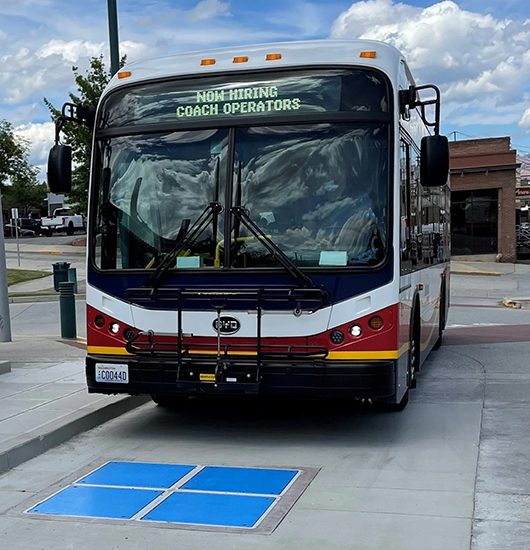
Integrating InductEV’s assets and intellectual property enables Electreon to offer a comprehensive wireless EV charging portfolio spanning passenger vehicles, light delivery vans and heavy-duty Class 8 trucks.
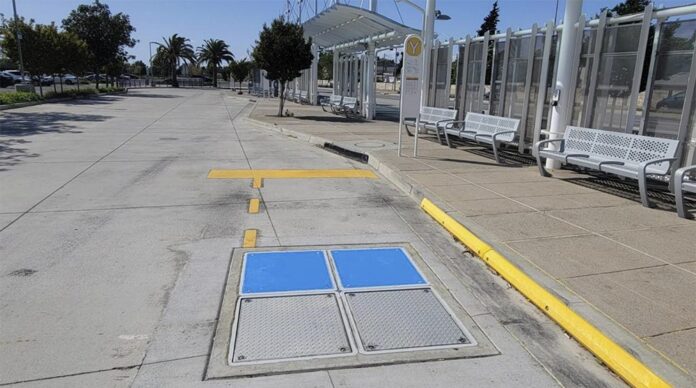
The combined company will offer operators a suite of charging solutions for different charging use cases including in-road dynamic charging while driving, top-up charging during planned stops along routes, and overnight charging in depots and parking facilities.
A hands-free charger provides increased safety for drivers in all weather conditions, eliminating the need to handle cables and connectors. Proper route design can help to reduce range anxiety even with smaller and less expensive batteries, which increase payload capacity and reduce vehicle purchase prices.
The platform supports diverse fleets from transit buses to freight trucks, and uses specialized in-ground technology for every use case. Integrated Flow software optimizes energy delivery to avoid peak demand charges and costly utility upgrades.
The integrated product suite includes LINE, a dynamic solution that charges vehicles at high speeds on highways and urban corridors and DASH, a semi-dynamic option that provides high-power burst charging at stop-and-go locations like taxi queues, bus stops and traffic lights. For stationary charging, DOT delivers automatic, hands-free charging for parked vehicles in depots and logistics hubs, while Ultra DOT supports specialized high-power, hands-free charging for heavy-duty transit and freight, powered by InductEV technology.
The combination of Electreon and InductEV also brings together nearly 400 granted and pending patents. It also balances Electreon’s offshore manufacturing efficiencies with InductEV’s Build America Buy America (BABA) compliant offerings. This ensures North American transit agencies and federal contractors can access wireless technology while remaining eligible for government funding and incentives.
“By combining our proven dynamic wireless product with InductEV’s leadership in ultra-fast stationary charging, we offer powerful synergies in manufacturing and technology, helping fleets go electric without compromising their operations,” said Oren Ezer, CEO and co-founder of Electreon.
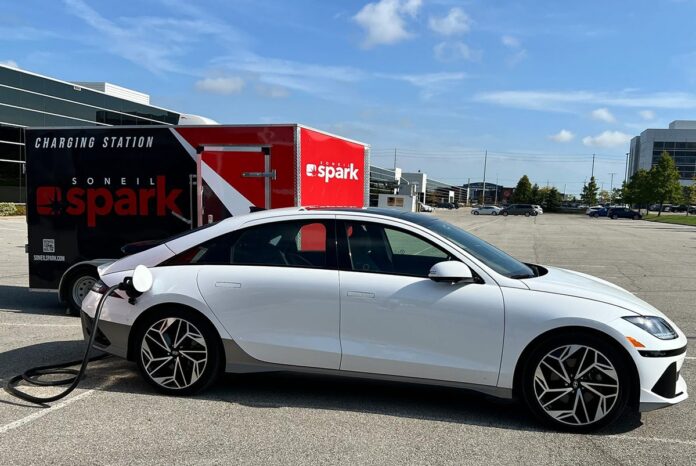
Soneil Electronics has been manufacturing batteries and chargers for 30 years. A few years ago, the company created a new division called Soneil Spark to address the EV market.
Soneil Spark’s new Mobile Charging Trailer (MCT) is a trailer-mounted system that includes battery storage and both AC and DC charging. Battery capacity, connectors and other features are totally customizable.
The MCT serves all the typical mobile charging applications (off-grid locations, events, disaster relief, etc), but Soneil Spark is also seeing demand from fleets looking to get around the high cost and long wait times for installing permanent charging infrastructure.
Bringing EV charging to where it’s needed.
For over 30 years, Soneil Electronics has been manufacturing battery chargers and AGM batteries (Absorbent Glass Mat batteries are the newest generation of lead-acid batteries). Soneil’s headquarters is located in Brampton, Canada, but the company has offices in the US, England, Italy, China, Hong Kong, Malaysia and Australia.
A few years ago, the company started up a new division to address the growing EV market, and soon identified a demand for mobile charging solutions. Soneil Spark’s new Mobile Charging Trailer (MCT) provides on-demand charging in remote, underpowered or off-grid locations. It’s suitable for a wide range of commercial applications, including construction and mining sites, municipal fleets, outdoor events, disaster response and remote utility projects.
The Spark MCT is equipped with 50 kWh (or more) of battery capacity, can deliver AC and/or DC charging, and supports multiple energy sources, including solar, wind, methane gas and propane. Soneil Spark Sales Manager Graham Borden gave us the details.
Charged: Why don’t you start with Soneil Spark’s origin story?
Graham Borden: Soneil started 30 years ago. It’s a private company. Sach Jain was the founder and he started providing battery and charging solutions for manufacturers. Anything with either lithium-ion or AGM batteries: RVs and boats, wheelchairs, golf carts, assisted mobility devices, floor polishers, material handling machines.
Four years ago, the decision was made to focus on the EV segment and we created the Soneil Spark division specifically for that. I was brought on board as Sales Manager three years ago to help build the brand.
Charged: It seems like every company that has anything to do with electrical equipment is selling EV chargers these days, but Soneil has a long pedigree in the battery and charging industry. Would you say that gives you an edge over the competition?
Graham Borden: For sure. When you’re talking about multiple decades in this space, it’s a significant differentiator from our competitors—it’s kind of the Wild West right now. The other big differentiator is that our R&D team and our engineering team work on both the electronics and the EV sides, so we do all that in-house, and manufacture as much as we can in Canada.
When you’re talking about multiple decades in this space, it’s a significant differentiator from our competitors.
Charged: I want to hear about your new Mobile Charging Trailer, or MCT.
Graham Borden: We’ve been doing research and development on mobile energy for just over two years now and have done some pilots, but we really launched the MCT in January this year.
The majority of the components are made in-house. For the batteries, we rely on the relationships we’ve had with battery manufacturers spanning 30 years, but the other core components we manufacture in our facilities, and we do the assembly at our head office in Brampton, Ontario.
For the DC components, we’re manufacturing a lot in our factories in China, Malaysia, and some here in Markham, Ontario. So, it’s a combination of Soneil factories that actually manufacture the components—we’re not white-labeling or repurposing another company’s products.
Charged: I’ve heard about several different flavors of mobile charging, and all kinds of different applications that it’s good for. Tell me about some of the applications that you envision for the MCT.
Graham Borden: This really came out of the obstacles that we saw our customers facing putting in DC charging infrastructure, whether that was wait times or the capital cost for utility service upgrades. Servicing remote under-powered areas was another application. And then fleet charging. We’ve had some customers that lease their property, and they were in a battle with their landlord. They were in a 10-year lease, and the landlord didn’t want to spend $350,000 or $400,000 for something that would benefit the tenant, and the tenant didn’t want to incur an expense that they could only cover over five years.
So, coming up with solutions to provide DC charging on a temporary or interim basis was a great solution for us. Our trailers have the ability to charge from 98% of the public DC chargers in North America. You can pull up at an Electrify America or Electrify Canada or a Tesla station, refill the trailer and then deploy it, whether it’s with a rental EV fleet at an airport or at a location where the charging infrastructure can’t be put in place.
This really came out of the obstacles that we saw our customers facing putting in DC charging infrastructure, whether that was wait times or the capital cost for utility service upgrades.
Charged: Off-grid locations, events, emergency relief—those are obvious applications for mobile charging. However, I’ve heard a number of people say that the cost, the wait time and other obstacles to installing permanent infrastructure are so daunting that for many fleets, mobile chargers start to look like an attractive solution.
Graham Borden: We’ve seen a lot of customer interest for that situation, particularly from leasing companies that have made commitments on EV purchases and need to find creative ways to convert an ICE fleet customer over to electrification. Those pilot periods generally span four or five vehicles over 30 or 60 days. A lot of the time, they need at least one charger per vehicle, which requires an electrician coming in, and those costs can be in the $50-60,000 range for a 30- or 60-day pilot. That’s a big obstacle. So having a trailer come in and fuel up the EVs, with the added ability to hardwire it into the building, makes a lot of sense.
Charged: When you say a leasing company, you mean a company that provides vehicles to other companies, and that’s making a transition to EVs?
Graham Borden: Yeah. For example, let’s say a leasing company has made a commitment to buy a percentage of electric vehicles. The landscape in the US isn’t as EV-friendly as it was a year and a half ago, so the company has an abundance of EVs, and they need to be creative in how they get the pilots running. Electrification over time with a leasing company makes sense, but there’s a lot of unknowns with converting a fleet to EVs. Our Mobile Charging Trailer reduces the cost for a company to showcase EVs, and if the pilot is successful, then they can put in the permanent infrastructure required to support the fleet.
Charged: So mobile charging is a way for them to sweeten the deal for their customers by avoiding the up-front cost of installing charging infrastructure.
Graham Borden: For sure.We see this around airports as well. There was a Canadian company last year that specialized in turnkey solutions for fleets, taking care of the routine maintenance and the charging, so the operator could just hop in and drive. A lot of companies don’t want to have to manage the electrification of their fleets.
Charged: I’ve talked with several companies that do turnkey fleet solutions. Sounds like that would be a likely customer for you.
Graham Borden: They’re a great customer. We supply hardware to those companies. We can customize the product for their applications, so if they’re charging Teslas, they want a NACS port, we can do a NACS port with a CCS port. We can even do CHAdeMO without having to do it through an adapter, although CHAdeMO is dropping off now.
The question is, with the agreement between Canada and China for vehicles, are the Chinese vehicles going to be coming in with a GB/T port configuration or a European port configuration? We’ve got the ability to meet the requirements of a customer that needs, for example, one GB/T port and one CCS1 or CCS2 port.
The question is, with the agreement between Canada and China for vehicles, are the Chinese vehicles going to be coming in with a GB/T port configuration or a European port configuration?
Charged: Now, that’s something I hadn’t thought about. I understand that Canada has agreed to open the market to a limited number of Chinese EVs, but I assumed that when they start coming in, that they’re going to have the kind of ports you’re using in Canada, which would be CCS or NACS.
Graham Borden: From my conversations at the provincial and the federal level, it definitely won’t be NACS. The situation that Mexico’s in right now, a lot of the Chinese vehicles that are coming in from BYD are coming in on the Chinese specification, and we Canadians don’t want to get into a port war.It doesn’t help the end user or the customer at all. It’s going to be debated at a political level and hopefully we can get to a common standard. The Caribbean’s in a similar situation.Jamaica and Barbados, they’re advocating for, I believe, the European CCS2.
Charged: Well, that could be a problem, and the political situation here in the US is definitely not helping matters. That kind of leads into another question I had. Is the current…shall we say…mess in the US causing you to rethink your strategy?
Graham Borden: It has caused a minor pivot, but the interest hasn’t diminished significantly with privately funded projects. The biggest impact has been on projects with federal, state or county funding. We did pivot to increase the microgrid capabilities of the trailer, but that was on the roadmap already. Canada and the US, we’ve always been very valued neighbors. A good percentage of our business and long-term relationships have been with our US partners, and we wanted to make the product as marketable and viable in the North American market as possible.
Charged: Tell me some more about the microgrid capabilities. Do you have customers that are using those to power buildings during outages, or…?
Graham Borden: There are different applications for microgrids. For one example, we can power specific circuits on the building. If overall power goes out, those circuits will be powered off the trailer seamlessly, so refrigerators or medical equipment don’t see that outage. Another application of the microgrid: there’s a class of buildings in Canada called Class A that are surcharged or demand charged at a very, very high rate during peak electricity usage, and we can reduce the amount of energy that that building draws by incorporating one, two or three trailers, depending on the size and the capacity of the trailer.
Charged: Your web site describes a 9x8x15-foot trailer, with battery capacity of 215-430 kWh, but in fact, you can provide trailers in different sizes, right?
Graham Borden: Yes, definitely. Our base specification for the trailer is 215 kWh. We can go as low as 50 kWh, although the dollars per kilowatt-hour at that capacity don’t make a lot of sense. On the high side, we’re doing a megawatt and a half on a triaxle trailer. Those units are more geared to microgrid and overall output speed for the ports. They can charge an EV at 400 kilowatts, but if a hurricane comes along and it needs to be transported to a disaster zone, then it can serve as emergency backup power as well.
On the web site, we’ve kept to what we can manufacture fairly quickly. If a customer needs to have a base specification, say 215 kWh with one CCS output with 120 kW of power, that’s something we can deliver within days or within a week. We can do quick turnarounds right up to 430 kWh units. Anything over 430 kWh, then it’s about a 60-day period for delivery.
With 30 years of experience with charging, we get some very, very unique requests. The trailers that we move out of the building, we haven’t had one that’s been configured exactly like the next trailer. The configuration is very customized to meet the needs of each customer, whether that’s battery capacity, port setup or input charging for the batteries—we’ve got a lot of versatility and flexibility.
The trailers that we move out of the building, we haven’t had one that’s been configured exactly like the next trailer. The configuration is very customized to meet the needs of each customer, whether that’s battery capacity, port setup or input charging.
Charged: What about off-road EVs? Things like construction and agricultural equipment. Is that an application that you’re seeing, and are there some special needs for that market?
Graham Borden: For sure. We’re doing some work right now with underground mining applications. Anything off-grid that wouldn’t be feasible without a trailer or an ability to charge conveniently. That’s our tag: Energize your freedom. Whether that’s a personal application in the desert with some side-by-sides or if it’s meters down in a salt mine underground where they need to power mining equipment.
Charged: What would you say your most common types of customers are at this point?
Graham Borden: Fleet providers for sure. Turnkey charging providers for fleets. We also work pretty extensively with utility companies in Canada. We sell hardware at this point, but we’re exploring a renting program, because there’s often a finite period of need for charging, and that option isn’t available in the marketplace right now.
Charged: What about competitors? There’s a number of companies offering various kinds of mobile charging. One that’s been around a while is SparkCharge.
Graham Borden: I know SparkCharge pretty well. I think it’s great. There’s a lot of food on the table for everyone right now. We’re concerned with what this landscape looks like over decades, not years, and we’re in this for the long term. We’ve got a niche where we can customize the product and provide assistance or service years down the road, and we’ve done that with our OEM customers on the electronic side for 30 years now. It’s going to be interesting to see who the players are. The attrition rate’s pretty high, with manufacturers coming in and out.
It’s really tough for customers because you can end up with proprietary equipment that is very, very difficult to service if the manufacturer closes. Some of our partners have been in the space for a while, and they got into electrification with other companies’ products. So, we work on products from competitors that have gone out of business too.
Charged: Boy, I bet that’s fun.
Graham Borden: It’s easier for me than for the engineers. They’re not very happy to see me some days if they know I’ve been talking with a customer that has a Lion product, for example.
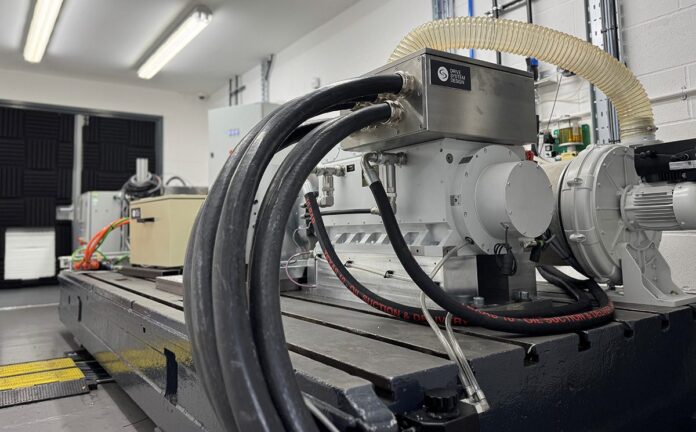
Drive System Design says it has cut electric motor optimization testing time by more than 75% with a new automated eMotor and Inverter Optimization Test Programme aimed at speeding electric propulsion development across automotive, aerospace, marine, defense and off-highway applications.
The company’s platform tackles one of the most time-consuming parts of e-powertrain development: motor optimization mapping, which typically requires heavy engineer supervision and long dyno campaigns. DSD’s new system uses a proprietary MATLAB/Simulink-based automation routine to run four-quadrant Max Torque Per Amp optimization loops and can execute roughly 20,000 test points in under 48 hours.
According to DSD, the setup is designed for continuous unmanned operation and automatically manages thermal conditions while maximizing dyno utilization. The company says that not only shortens testing time, but also produces more repeatable datasets for model correlation and digital twin development. In customer programs, DSD says the approach has reduced optimization testing time by more than 75% compared with typical OEM best-practice processes.
DSD is also adding rig and fixture techniques to replicate real-world wheel or propeller loads earlier in the development cycle, allowing engineers to validate mechanical behavior and durability before integration into vehicles or aircraft. “By combining high-performance test rigs, automation and repeatable engineering methods, we’re helping customers generate the data and confidence they need earlier in the programme,” said Rob Smith, Head of Development & Test.